





Raw Water Pump for Industrial RO Plants and Water Treatment
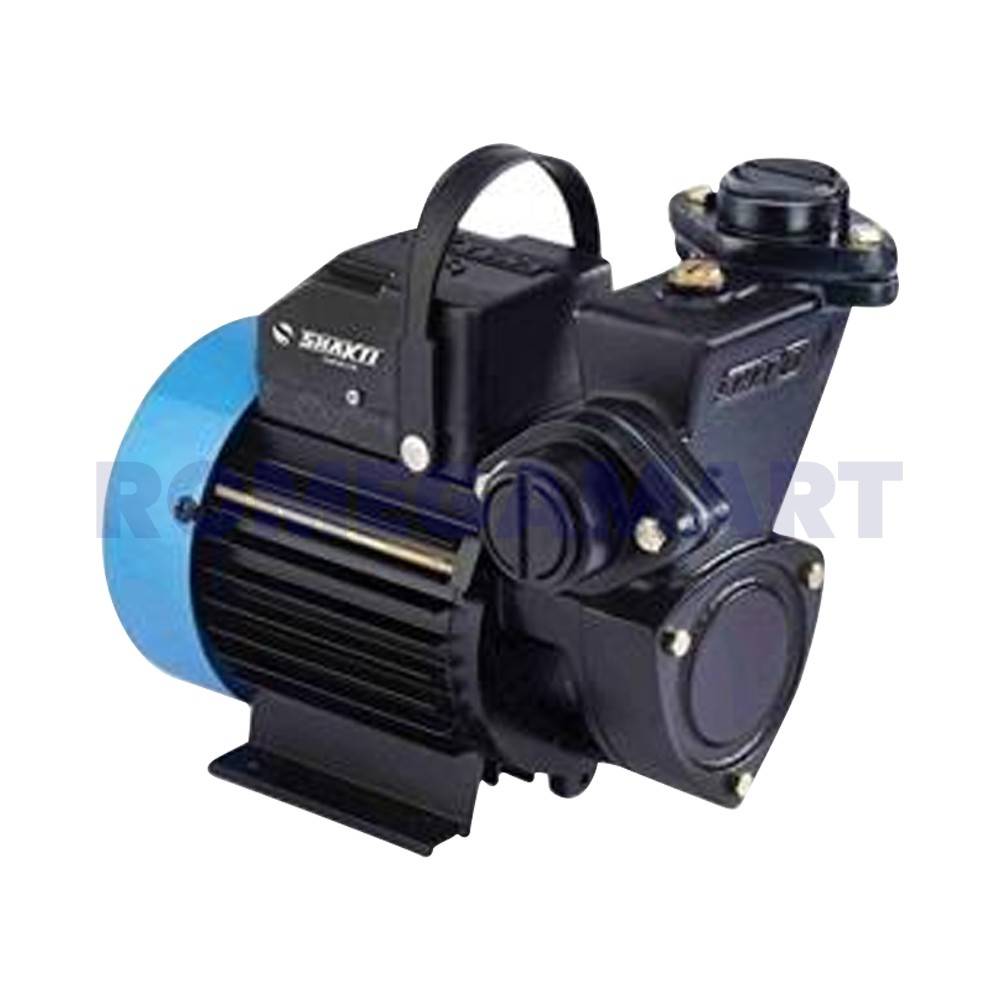
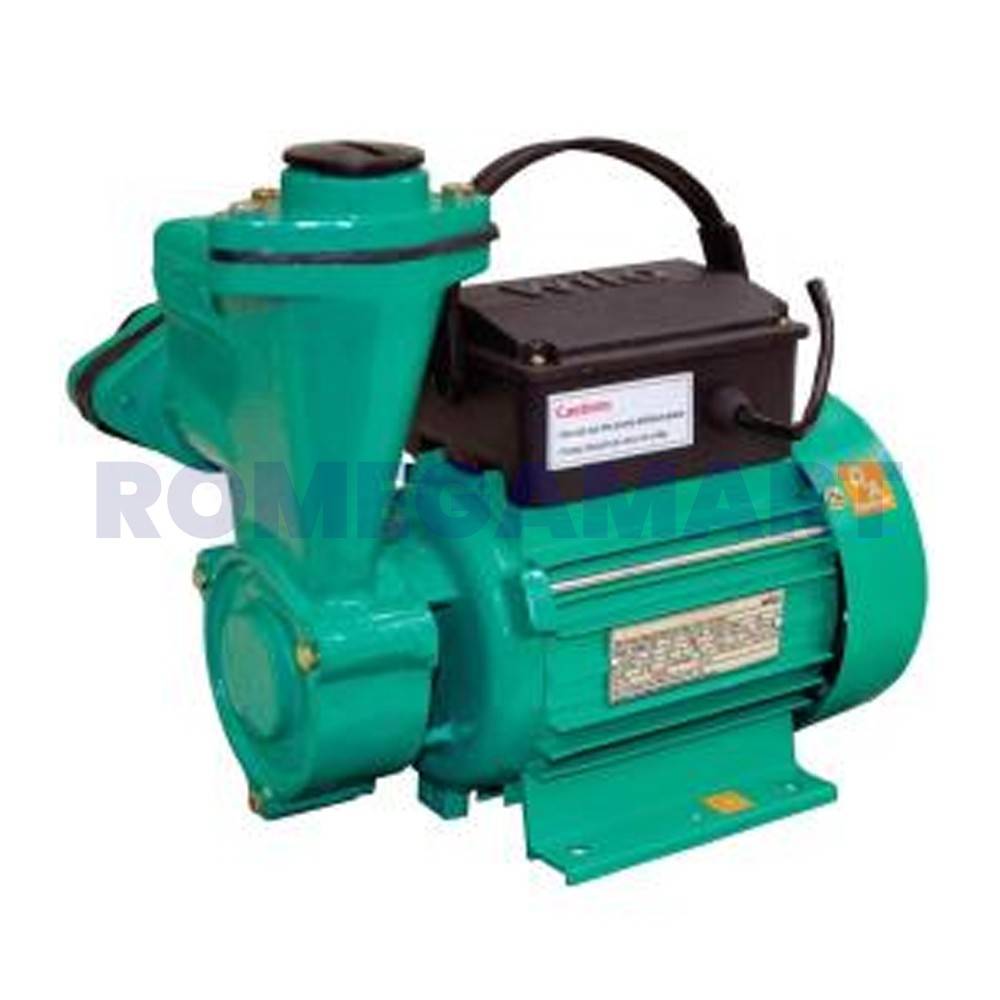
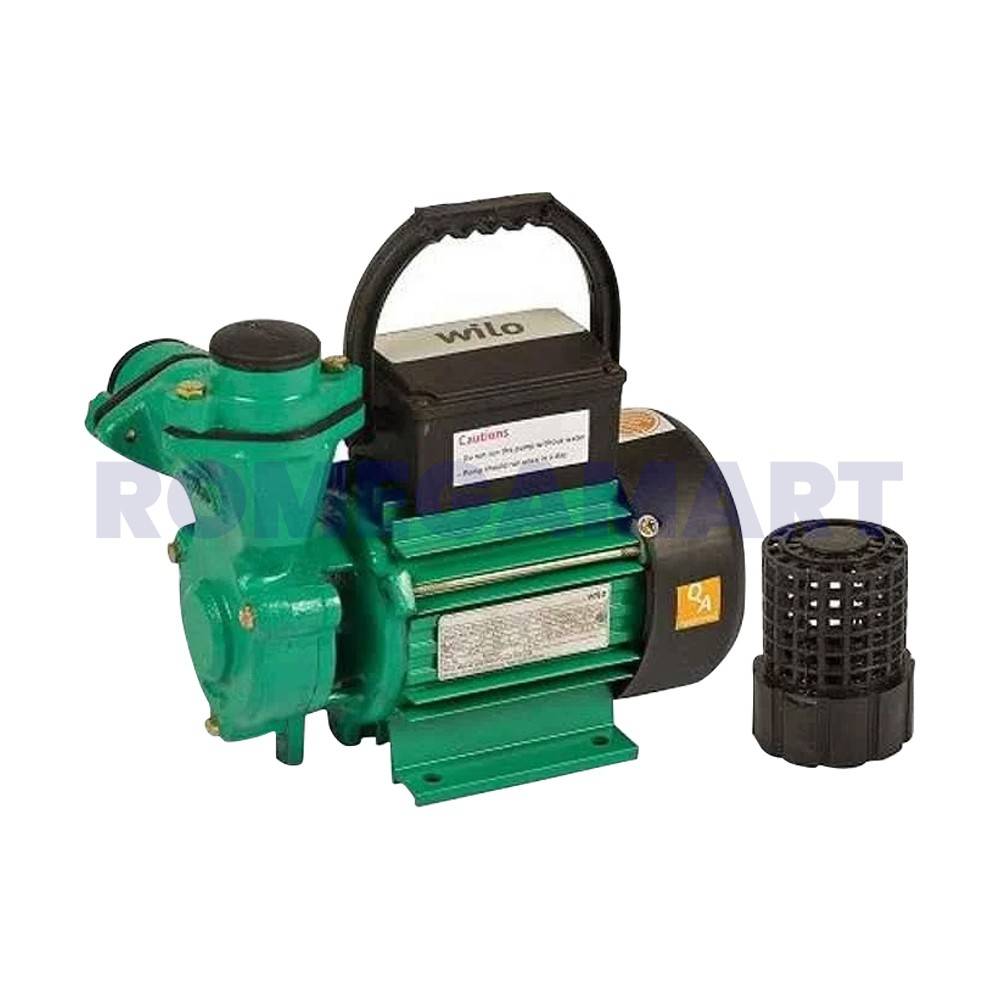
A reliable raw water supply is essential for the smooth operation of an RO plant or water treatment system. A raw water pump helps transfer untreated water from a storage tank, borewell, underground reservoir or other water source to the required treatment stages. Choosing an unsuitable pump can lead to insufficient water supply, pressure problems and interruptions in plant operation.
At RO Service & Sales, you can explore raw water pump options for different water supply and RO system requirements. Whether you need a replacement pump or are planning a new water treatment installation, understanding the pump's capacity, flow rate, head and application will help you make a suitable choice.
What Is a Raw Water Pump?
A raw water pump is a mechanical device used to move untreated water from its source to a water treatment system. In an RO plant, it generally supplies feed water to the pretreatment section before the water reaches the high-pressure pump and RO membrane.
Raw water pumps are used in domestic, commercial and industrial water treatment applications. Their main purpose is to maintain the water supply required by the treatment process.
Depending on the plant design, a raw water pump can transfer water to:
-
Pressure sand filters
-
Activated carbon filters
-
Multimedia filtration systems
-
Cartridge filter units
-
Water storage tanks
-
Other pretreatment equipment
The pump must be selected according to the water source, required flow, pumping head and system operating conditions.
Why Is a Raw Water Pump Important in an RO Plant?
An RO plant needs a suitable and consistent feed-water supply to operate properly. The raw water pump supports this requirement by transferring untreated water from the source to the pretreatment section.
Its important functions include:
-
Water transfer: Moves raw water from storage tanks, borewells or other approved sources.
-
Feed-water supply: Supplies water to the pretreatment equipment.
-
Consistent operation: Helps maintain the required water flow when correctly selected.
-
Plant support: Supports the overall water treatment process by supplying the required feed water.
-
Operational convenience: Helps move water through the plant without relying only on gravity.
The pump's actual performance depends on its design, installation, water conditions and operating requirements.
Types of Raw Water Pumps Used in Water Treatment
Different water sources and pumping requirements need different pump designs. Some commonly used types include:
1. Centrifugal Raw Water Pump
A centrifugal pump uses a rotating impeller to move water. It is commonly considered for water transfer applications where the required flow and head match the pump's performance characteristics.
2. Self-Priming Raw Water Pump
A self-priming pump is designed to manage air in the suction line under specified operating conditions. It may be suitable for certain surface-water transfer applications. Always check the manufacturer's priming instructions and suction limitations.
3. Submersible Water Pump
A submersible pump operates while placed inside the water source. It can be considered for suitable borewell, underground water and tank applications depending on the required depth and pump design.
4. Multistage Water Pump
Multistage pumps use multiple impellers to develop higher pressure than comparable single-stage designs. They may be suitable for applications that require a particular combination of flow and head.
The correct pump type depends on the installation rather than the name of the RO plant alone.
How to Choose the Right Raw Water Pump for an RO Plant
Selecting a raw water pump based only on horsepower can lead to an unsuitable purchase. Check the following factors before selecting a model.
Required Flow Rate
Calculate how much water the plant needs during operation. The pump should supply the required feed-water quantity without creating unnecessary pressure or flow problems.
Total Pumping Head
Consider the vertical height between the water source and delivery point, along with pipe length, bends, valves and other flow restrictions. These factors affect the total head required.
Motor Power and Electrical Supply
Check the motor horsepower, voltage, phase and frequency against the installation's electrical supply. Do not assume that pumps with the same horsepower have identical performance.
Pump Material and Water Quality
Consider the pump's construction material and compatibility with the source water. Water containing suspended particles, minerals or other substances may require particular pump designs.
Suction Conditions
Check the suction lift, inlet pipe size, water level and installation arrangement. Incorrect suction conditions can cause poor performance, loss of prime or dry running.
Brand and Product Specifications
Compare the manufacturer's specifications, operating limits, product documentation and service requirements before ordering.
Raw Water Pump vs High Pressure Pump
Raw water pumps and high-pressure pumps perform different functions in an RO plant. Understanding this difference is important when purchasing replacement equipment.
A raw water pump should not be selected as a replacement for a high-pressure RO pump. Both components must match their respective positions in the treatment system.
Applications of Raw Water Pumps
Raw water pumps are used in several water supply and treatment applications.
-
Industrial RO plants: Transfer feed water to pretreatment equipment.
-
Commercial RO systems: Support water supply for larger purification installations.
-
Water treatment plants: Move untreated water between storage and filtration stages.
-
Hotels and hospitals: Support water treatment arrangements according to site requirements.
-
Manufacturing facilities: Supply water to industrial treatment and processing systems.
-
Bottling facilities: Support suitable raw-water transfer and pretreatment operations.
-
Water storage systems: Transfer water between tanks and designated supply points.
The pump type and capacity should always be matched to the specific application.
Common Raw Water Pump Problems and Their Solutions
A raw water pump may experience performance issues due to installation conditions, electrical problems or mechanical wear.
1. Low water discharge
Possible causes include blocked suction filters, restricted pipelines, air leakage or an unsuitable pump selection. Inspect the suction line and compare operating conditions with the pump specifications.
2. Pump making unusual noise
Air entering the suction line, cavitation, bearing wear or mechanical problems may cause unusual noise. Stop the pump when necessary and arrange an inspection.
3. Water leakage
Leaks may occur around pipe connections, seals or joints. Inspect the affected area and replace damaged components using compatible parts.
4. Pump overheating
Incorrect electrical supply, excessive load, poor ventilation or mechanical friction may contribute to overheating. Check the manufacturer's operating requirements and get the motor inspected by a qualified technician.
5. Pump not starting
Possible reasons include electrical supply failure, loose connections, protection-device activation or motor faults. Electrical troubleshooting should be carried out by a qualified person.
Raw Water Pump Maintenance Tips
Regular maintenance helps identify problems early and supports reliable pump operation.
-
Inspect the suction and discharge pipelines for leakage.
-
Keep inlet strainers and filters clean where fitted.
-
Check for abnormal noise and vibration.
-
Monitor water flow and operating pressure.
-
Inspect electrical connections and motor condition.
-
Avoid operating the pump without an adequate water supply.
-
Check seals, bearings and other components according to the manufacturer's schedule.
-
Follow the recommended maintenance instructions for the specific pump model.
Preventive maintenance should be based on operating hours, water conditions and manufacturer recommendations.
Why Choose RO Service & Sales?
RO Service & Sales focuses on industrial and commercial RO plant installation, repair, maintenance and RO-related product requirements.
Customers exploring raw water pumps can browse the available product listings and compare options according to their water transfer requirements.
Reasons to explore RO Service & Sales include:
-
Dedicated categories for RO and water treatment components.
-
Product options for different water purification requirements.
-
Access to related industrial RO spare-parts categories.
-
A platform for exploring pumps and other water treatment components.
-
Information to help customers identify relevant products before enquiring.
Before placing an order, confirm the pump model, technical specifications, current availability and suitability for your installation.
Explore Raw Water Pumps Online
Looking for a raw water pump for your RO plant, water treatment system or water transfer application?
Explore the available raw water pump collection at RO Service & Sales. Compare the listed models, review their product specifications and select a pump that matches your required flow rate, head, electrical supply and installation conditions.
For related requirements, you can also explore industrial RO spare parts and industrial RO high-pressure pumps.
Contact RO Service & Sales to enquire about suitable pump options for your water treatment requirements.
Frequently Asked Questions About Raw Water Pumps
1. What is a raw water pump used for in an RO plant?
A raw water pump transfers untreated water from a source such as a storage tank or borewell to the pretreatment section of an RO plant. It helps supply the water required for the treatment process.
2. Which raw water pump is suitable for an industrial RO plant?
The suitable pump depends on the plant's required flow rate, total head, water source, suction conditions and electrical supply. Check the pump performance curve and plant design before selecting a model.
3. What is the difference between a raw water pump and a high-pressure RO pump?
A raw water pump transfers untreated water to the pretreatment section, while a high-pressure pump supplies the pressure needed for water to pass through the RO membrane.
4. How do I select a raw water pump for an RO plant?
Check the required flow rate, total pumping head, motor power, voltage, phase, suction lift, water quality and pipeline arrangement. Also confirm that the selected pump is compatible with the plant design.
5. Can a raw water pump be used for borewell water?
Yes, a suitable pump can be used for borewell water transfer. However, the selection depends on borewell depth, water level, required delivery, suspended particles and the pump's operating limits.
6. Why is my raw water pump not delivering enough water?
Common causes include a blocked inlet, air leakage, insufficient water level, incorrect suction conditions, pipeline restrictions or pump wear. Inspect the system and compare its operating conditions with the manufacturer's recommendations.
7. Where can I buy a raw water pump online in India?
You can explore the raw water pump collection at RO Service & Sales. Review individual product descriptions and confirm technical specifications, availability and pricing before ordering.
Conclusion
A suitable raw water pump is an important part of a reliable water treatment system. It supports the transfer of untreated water to the required treatment stages and helps maintain the feed-water supply needed for RO plant operation.
Before purchasing, compare flow rate, total head, motor specifications, suction conditions and pump compatibility. Explore the raw water pump collection at RO Service & Sales to find available options for your water treatment and pumping requirements.




OTP Verified