











RO Filters: The Ultimate Guide for Home Water Purification, Prices, Kits, Maintenance & Best Choices in India
When it comes to safe drinking water at home, the term RO filters is thrown around a lot—but what does it exactly mean, why is it critical, what should you pay, how often should you replace them, and which water purifiers offer the best value? This guide answers all of that—from “RO water filter price near Delhi/Gurugram” to “best water purifier for home in India”, “RO filter kit price”, “RO water filters” and more.
If you want to go straight to purchasing trusted filters or kits, visit:
Explore The Wide Collection Of Ro Water Filters
Why RO Filters Matter
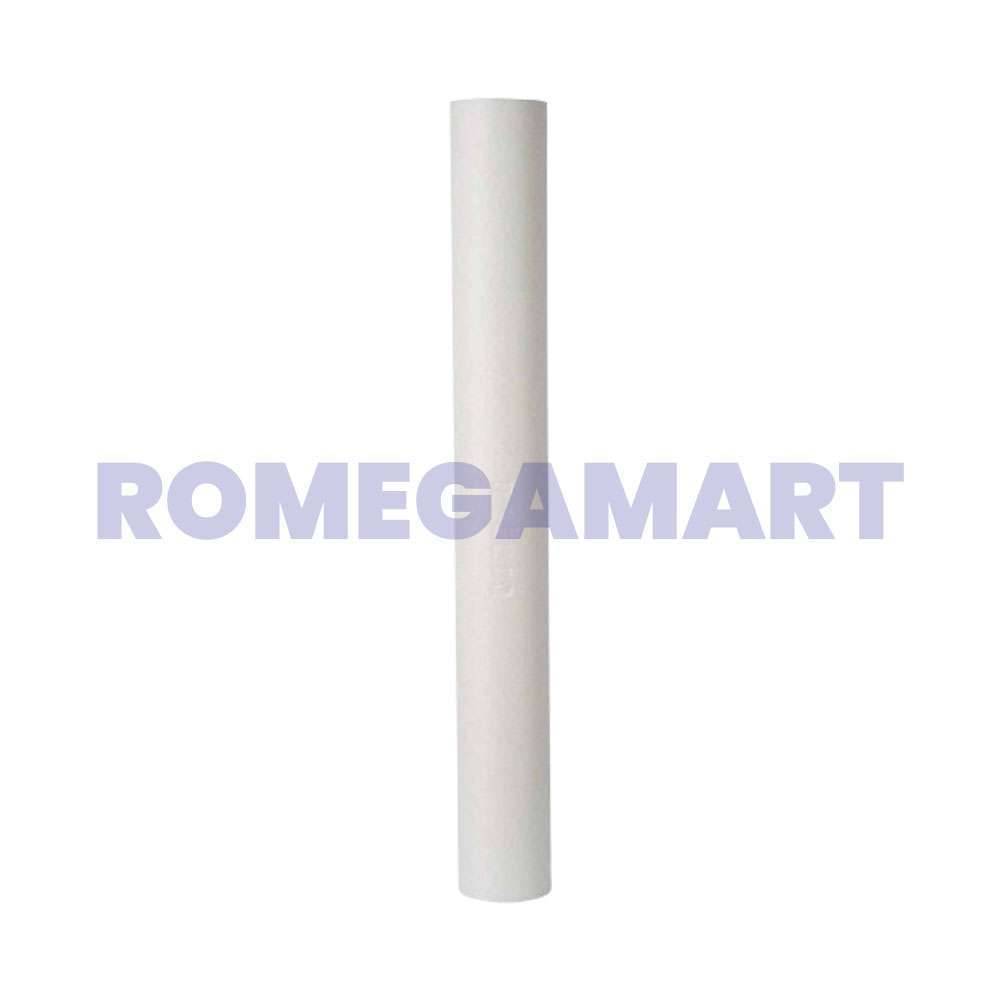
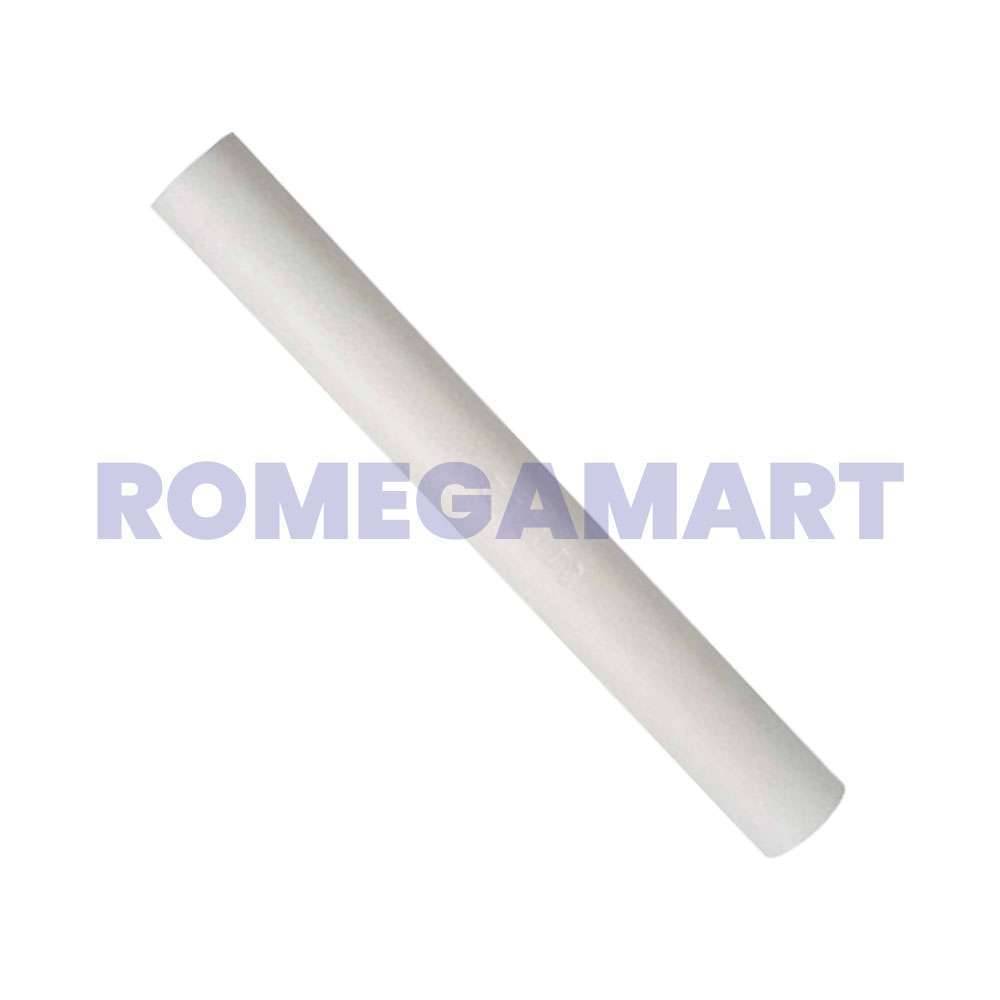
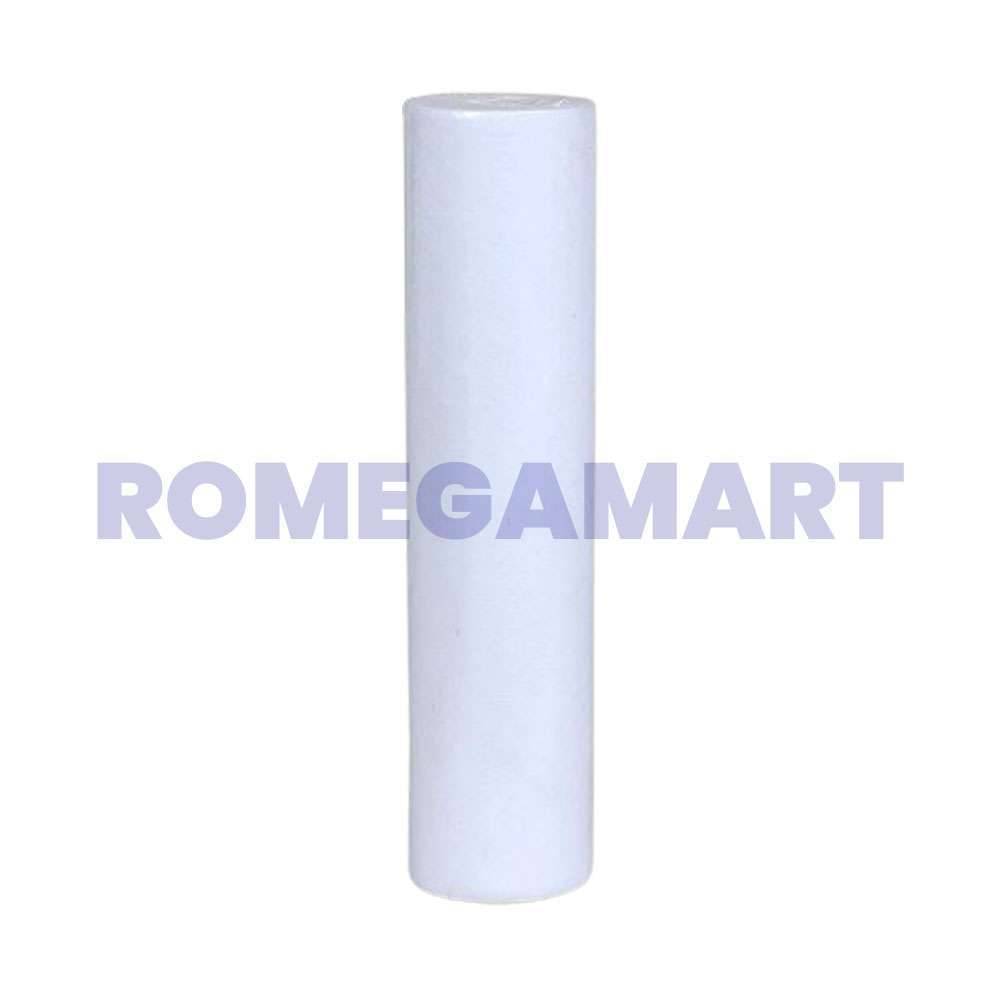
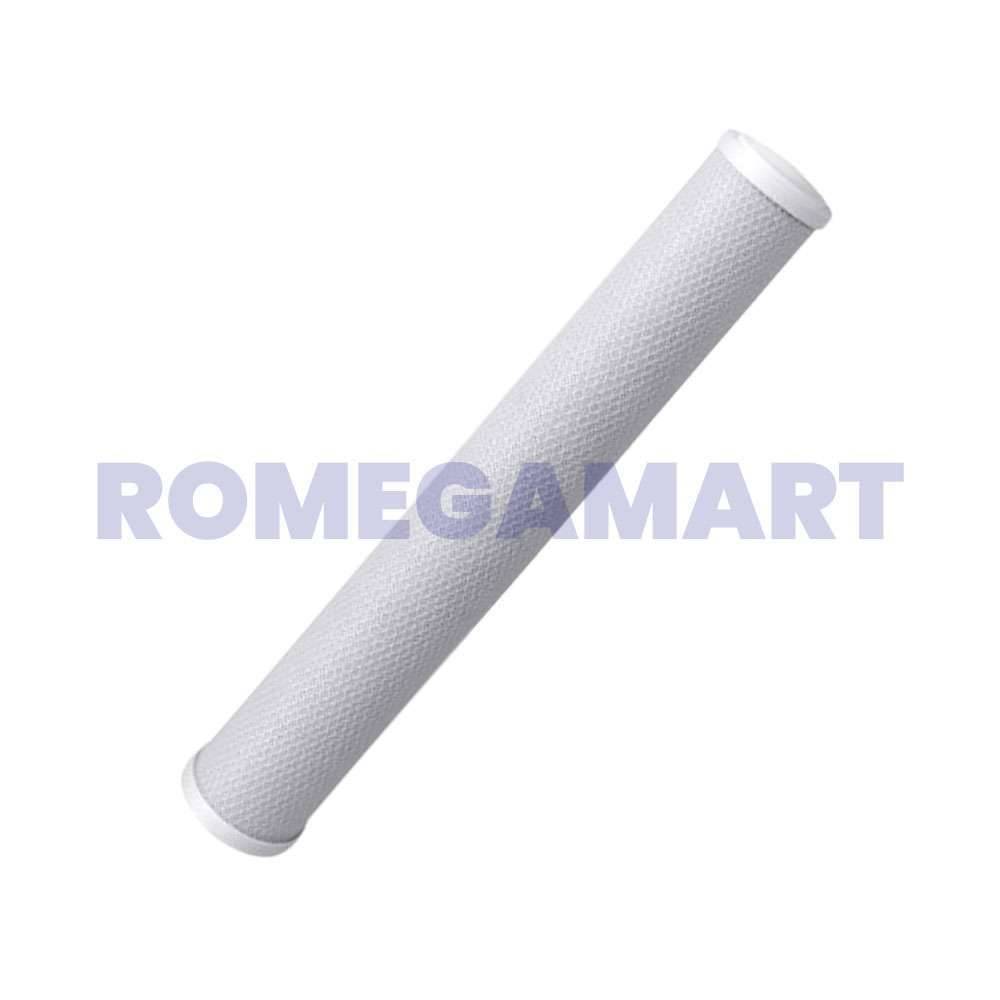
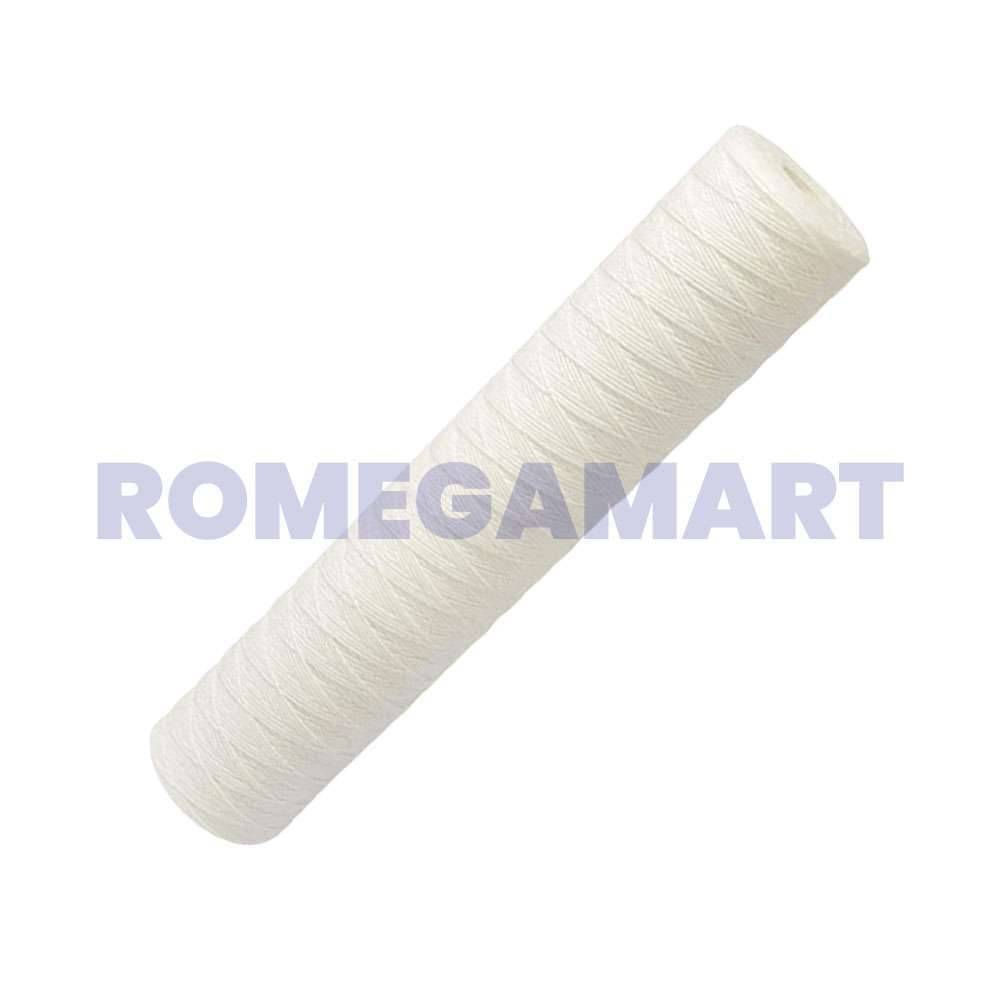
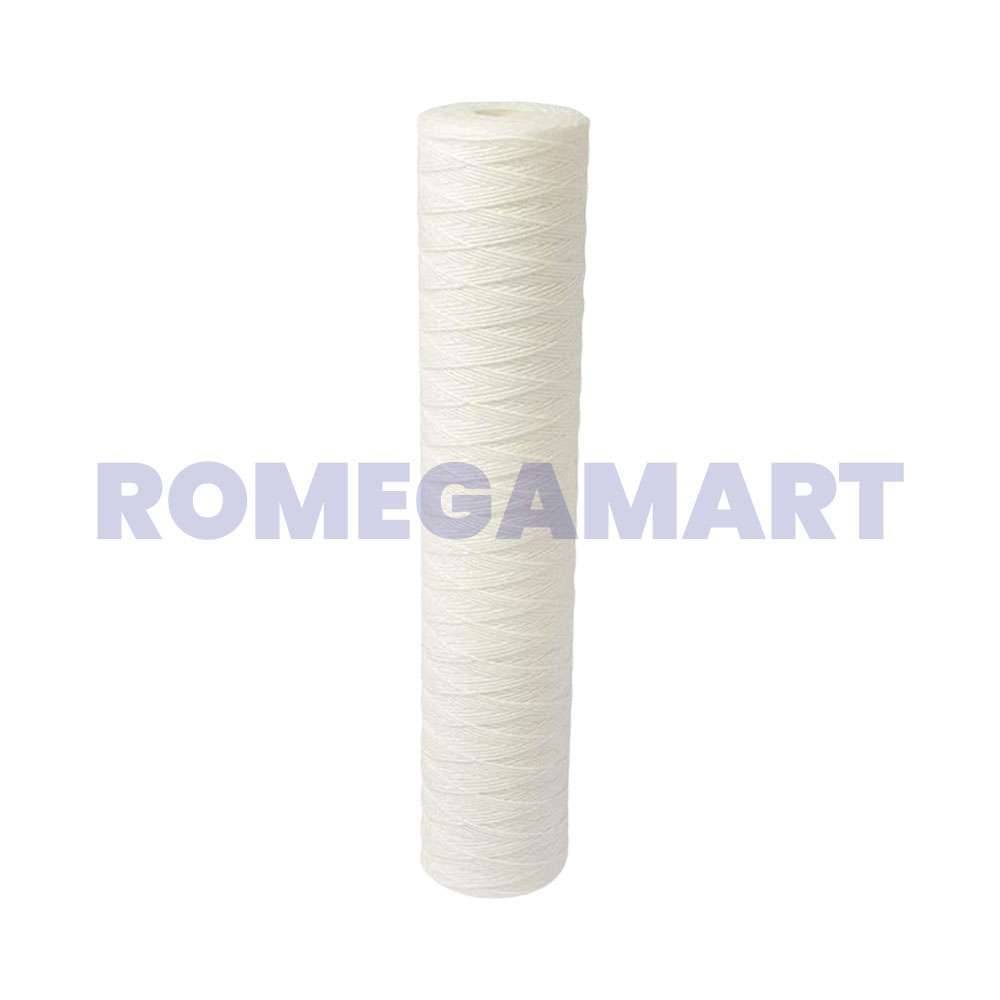
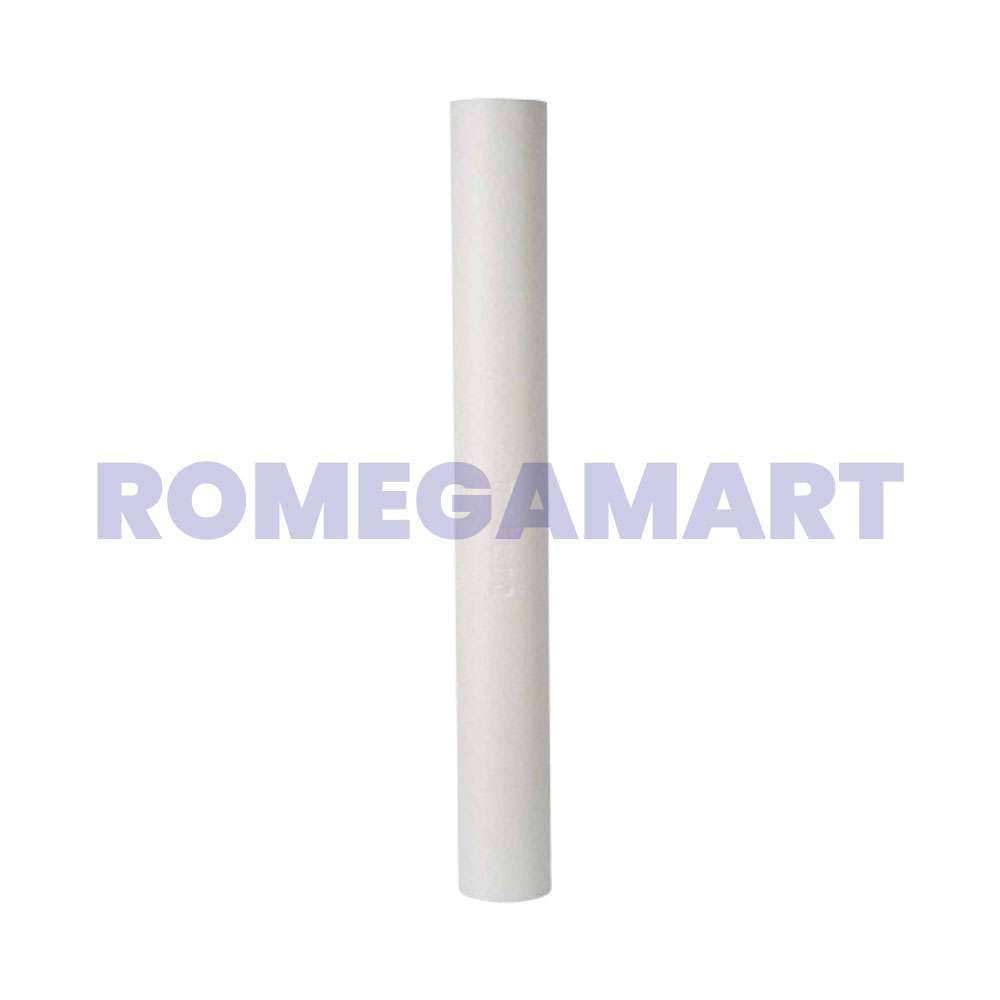
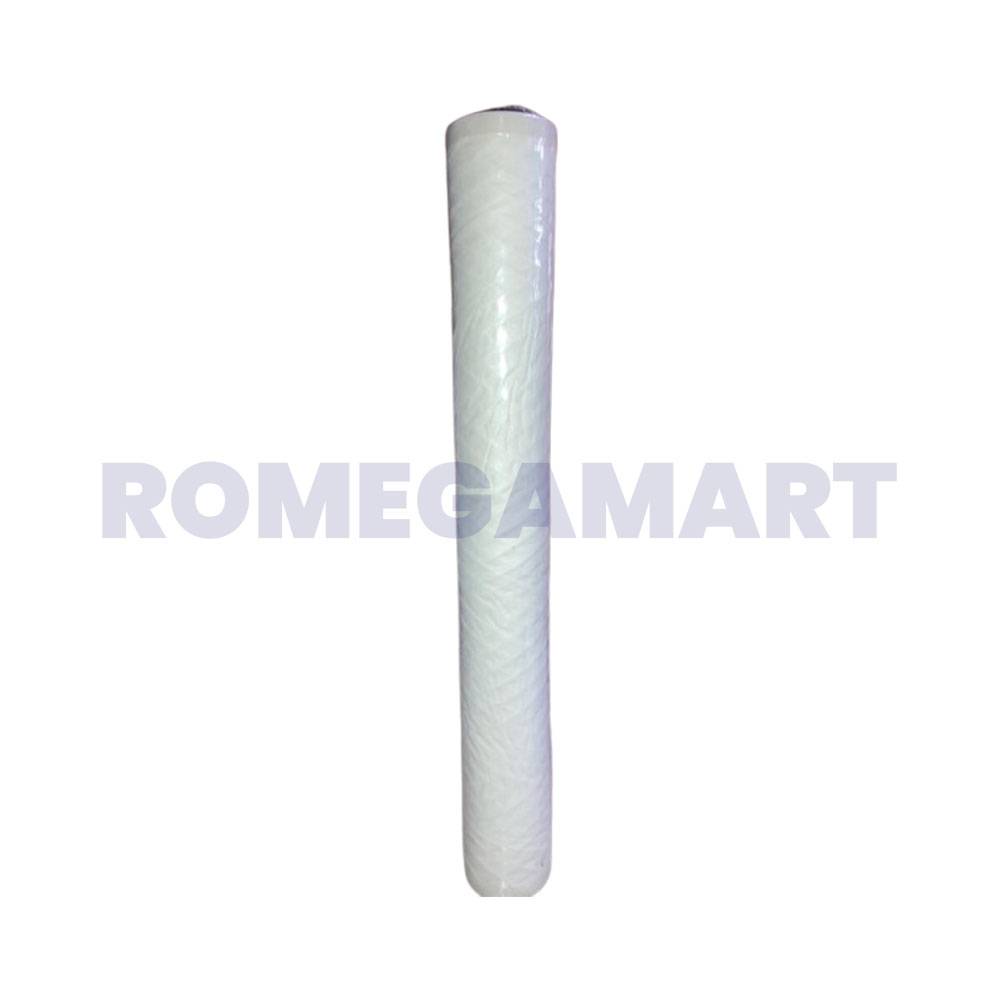
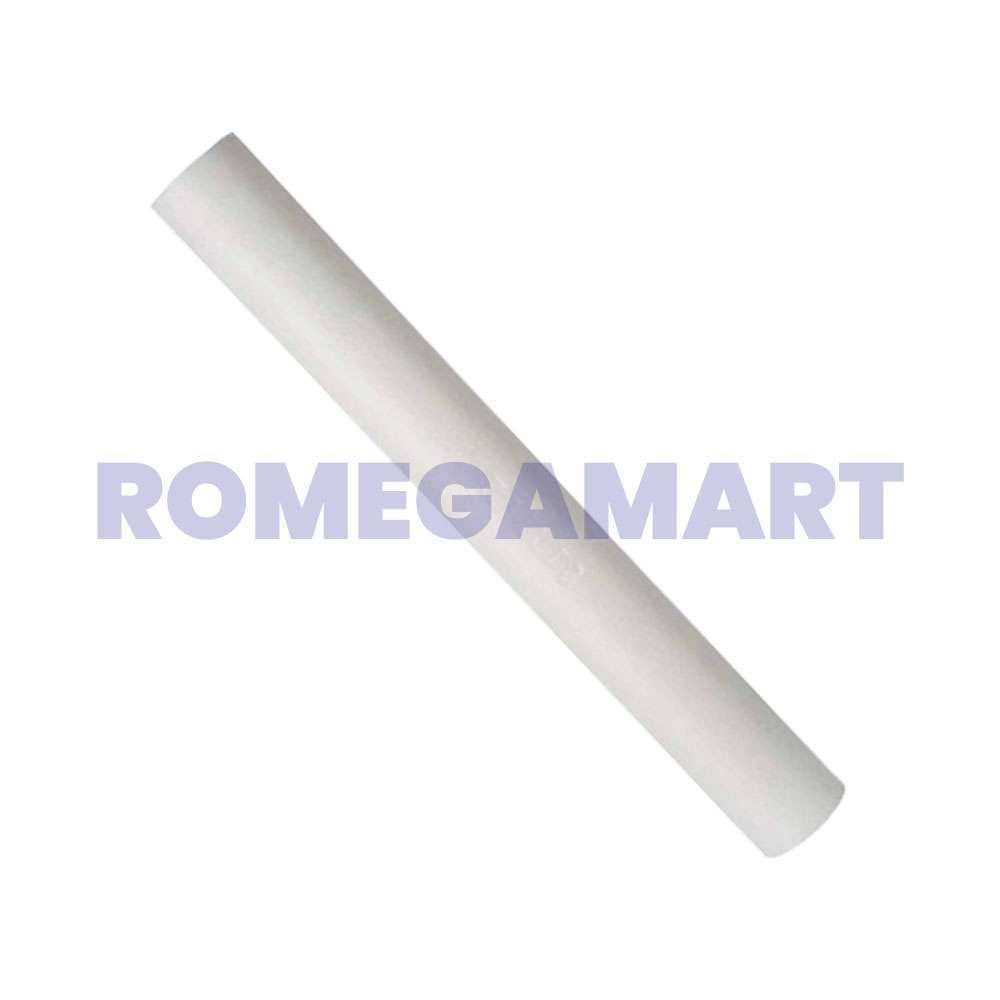
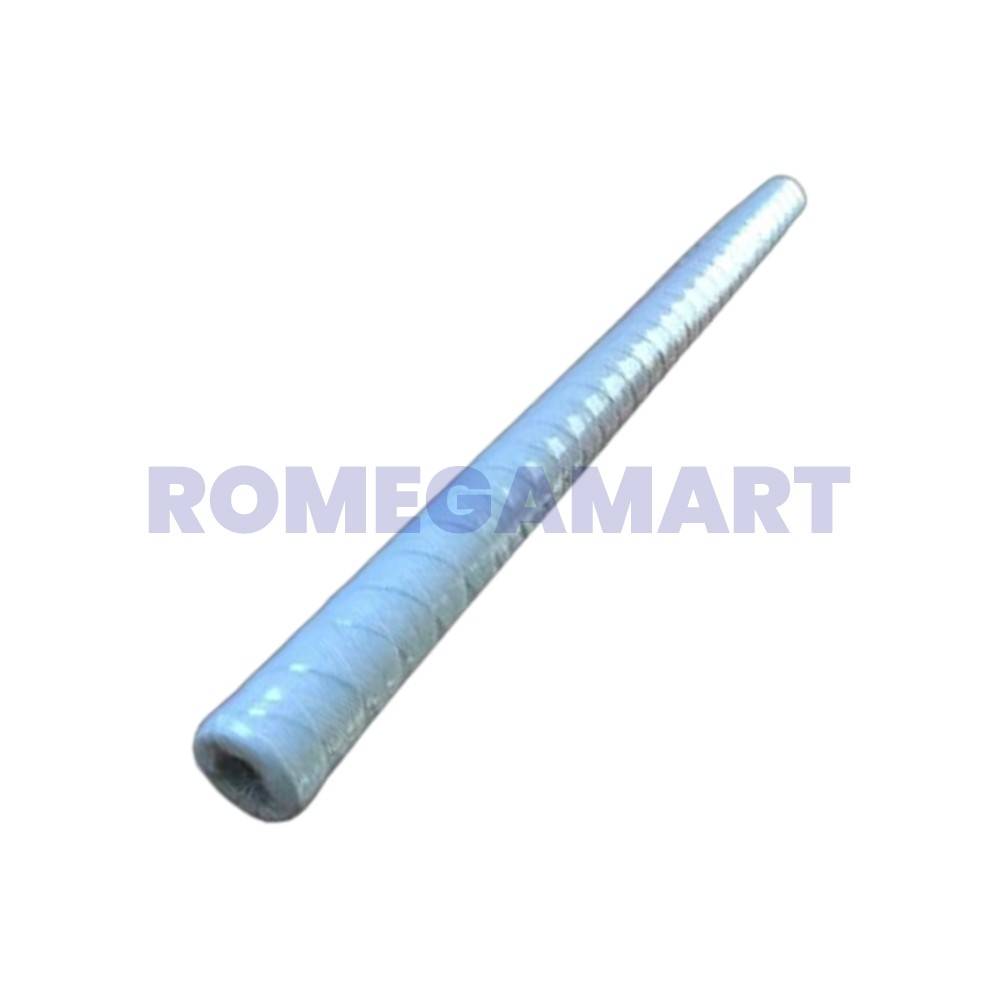
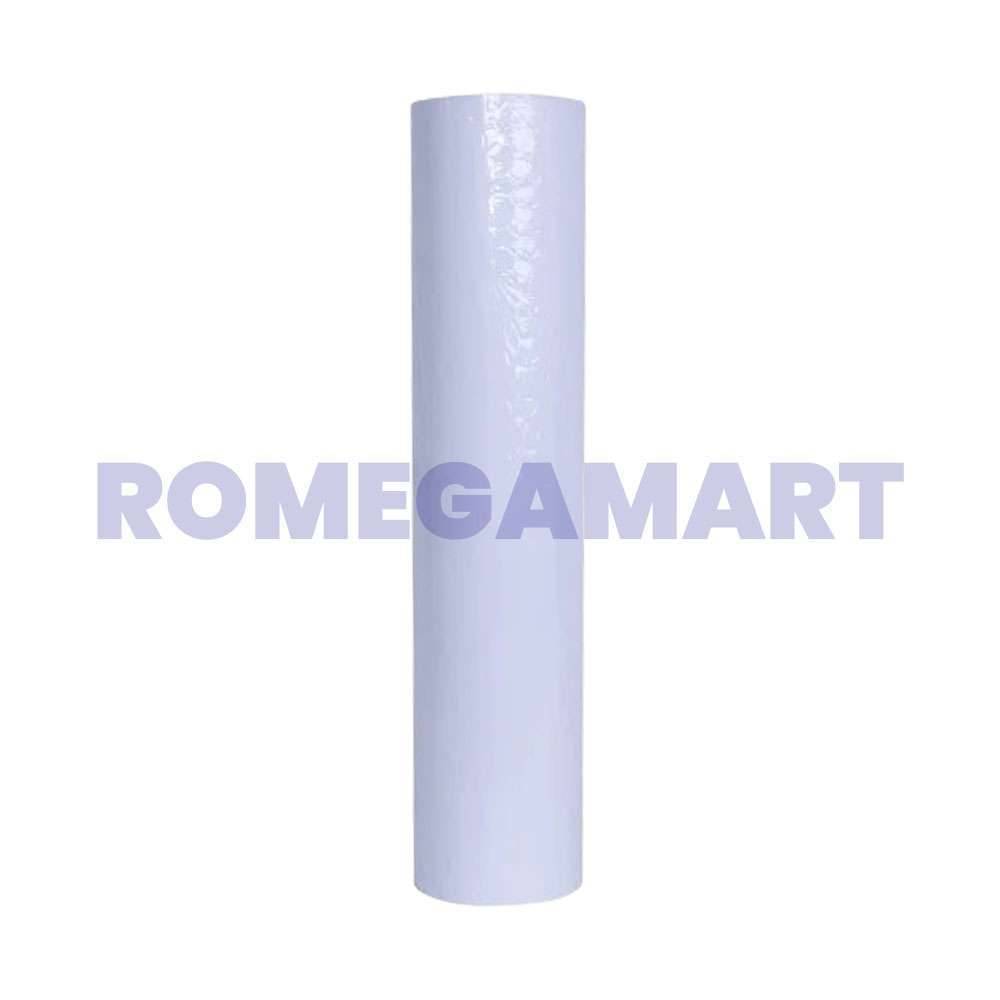
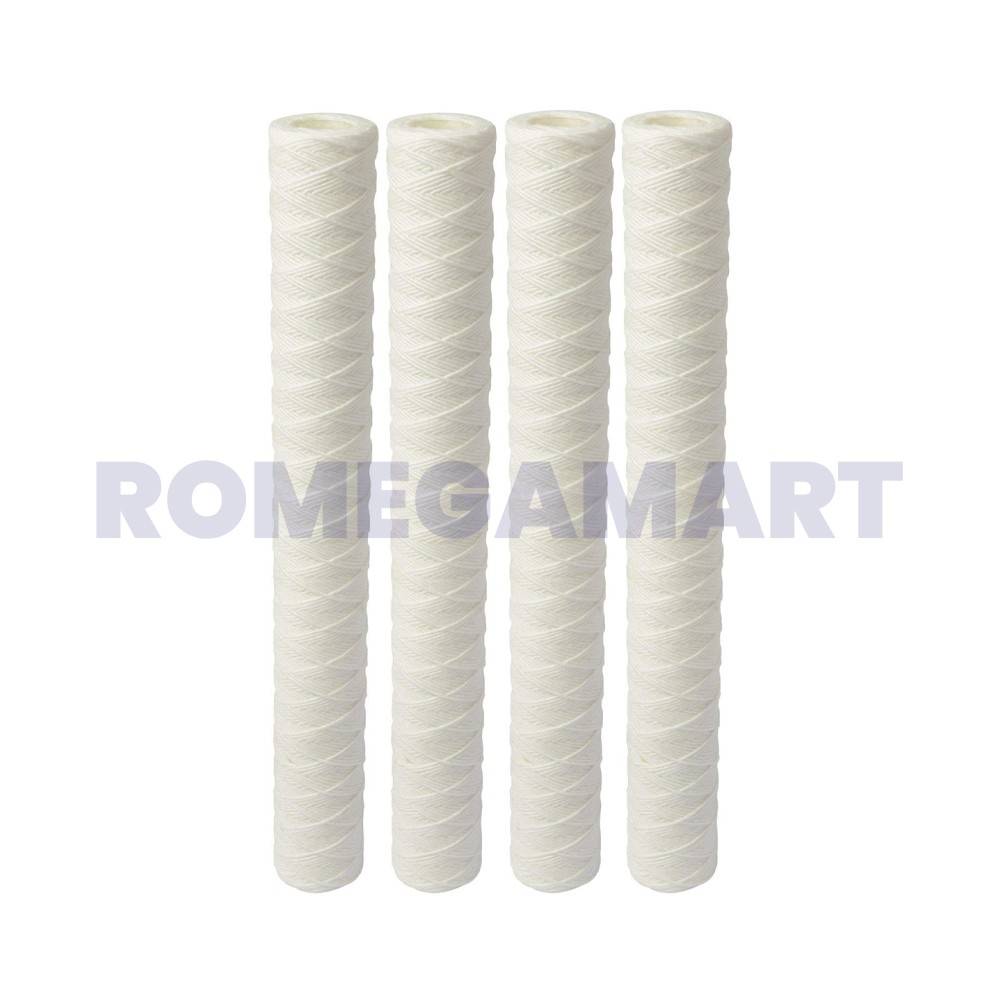
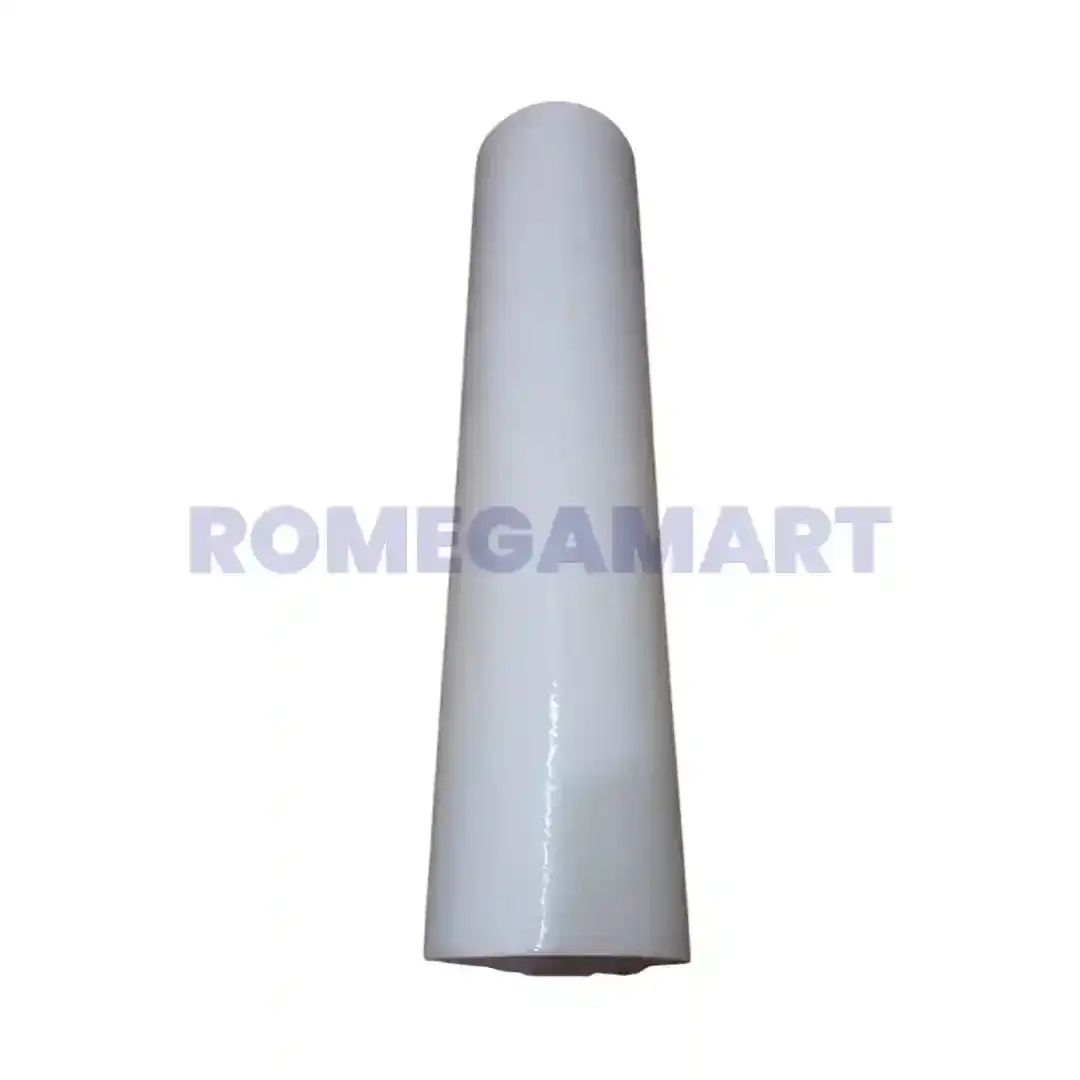
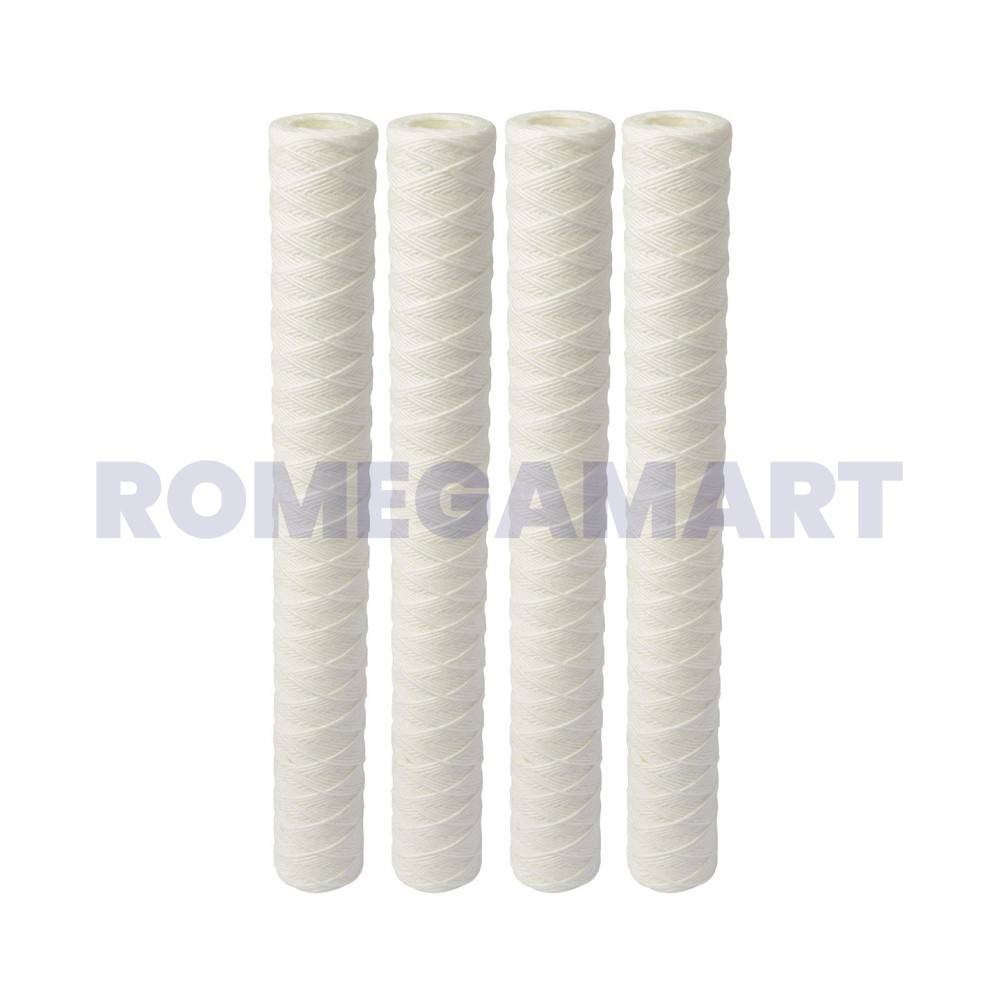
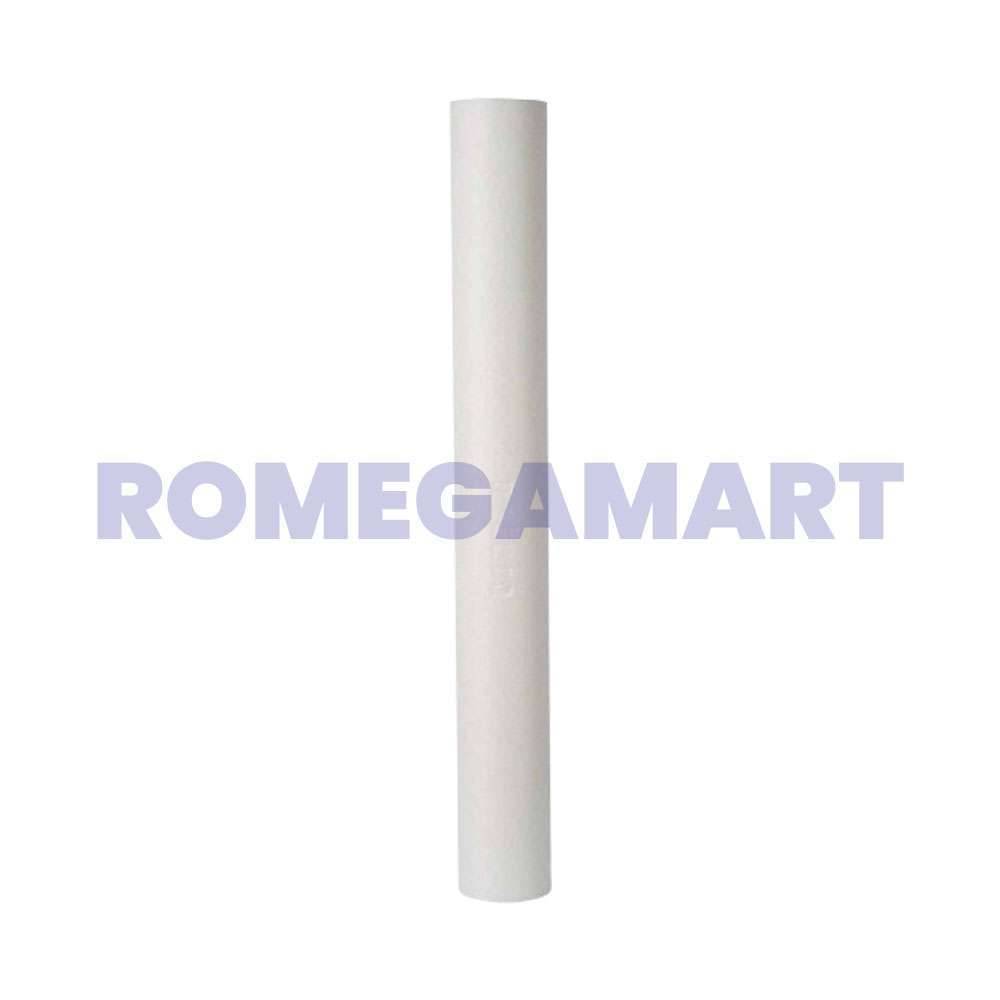
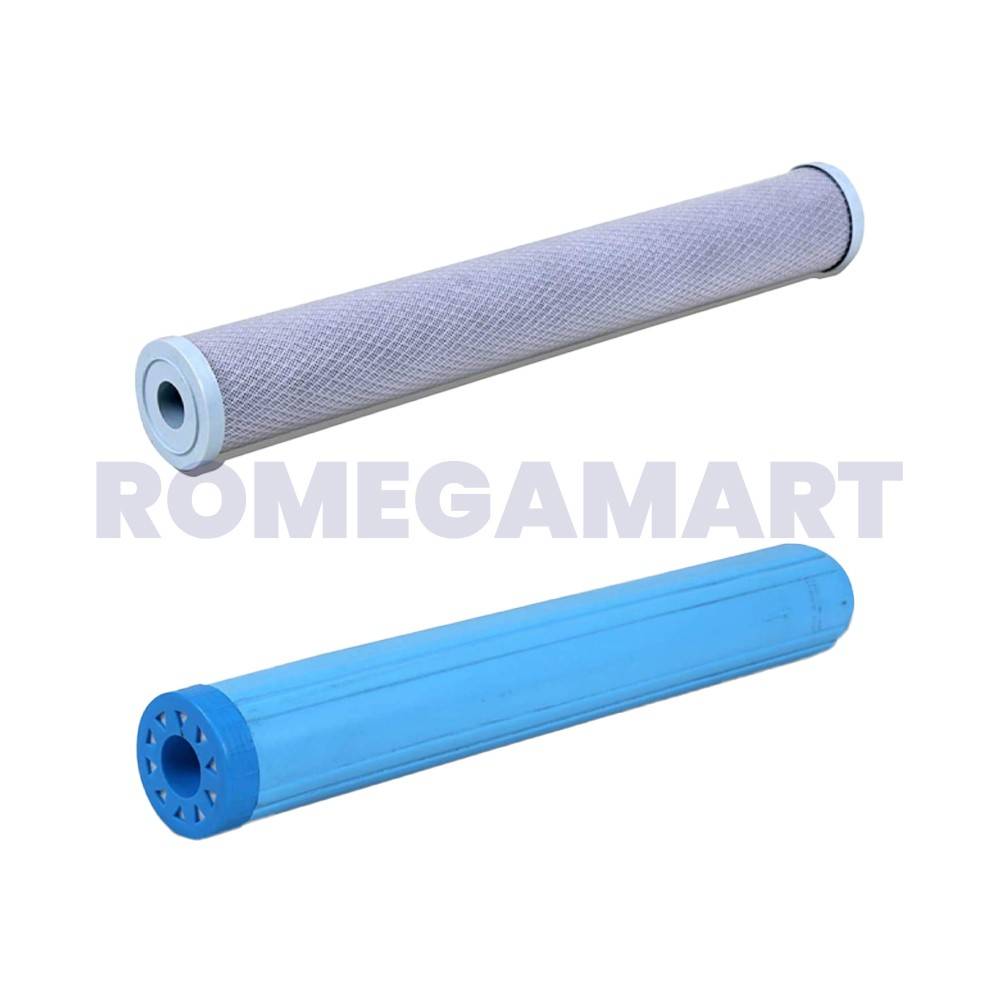
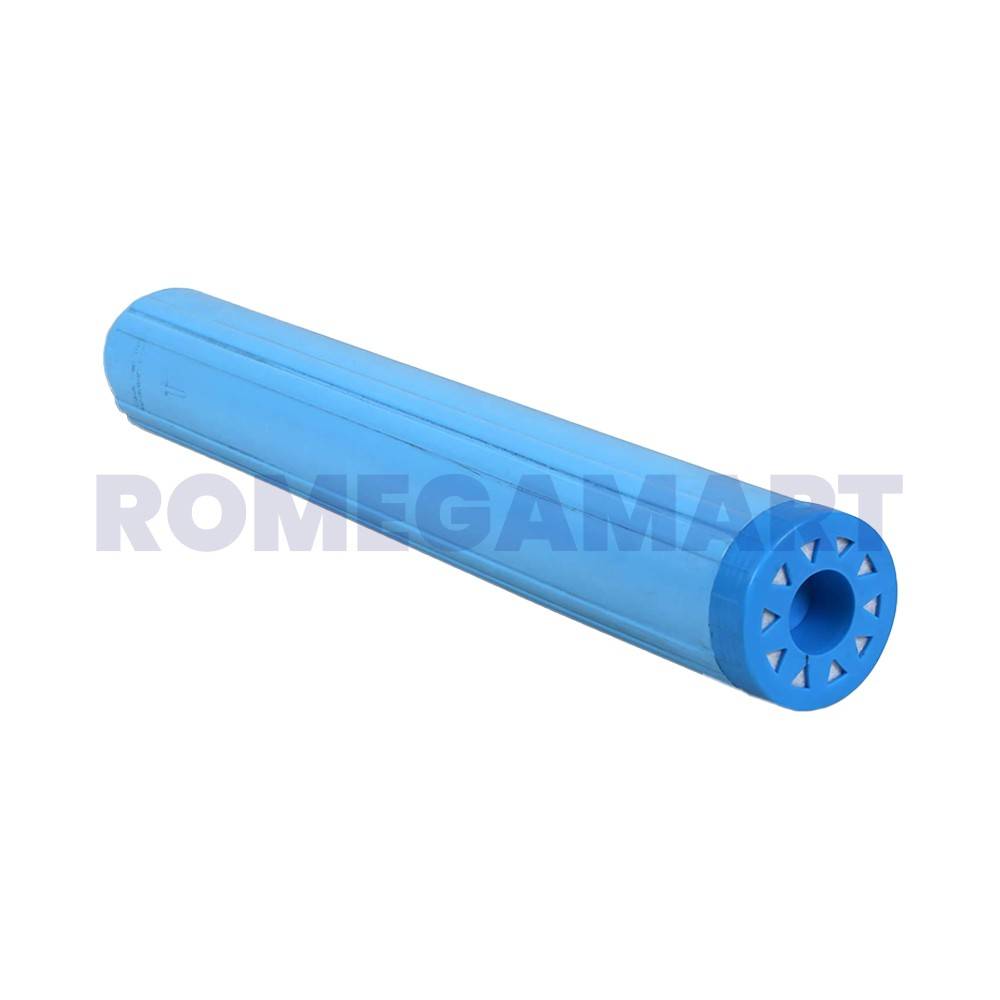
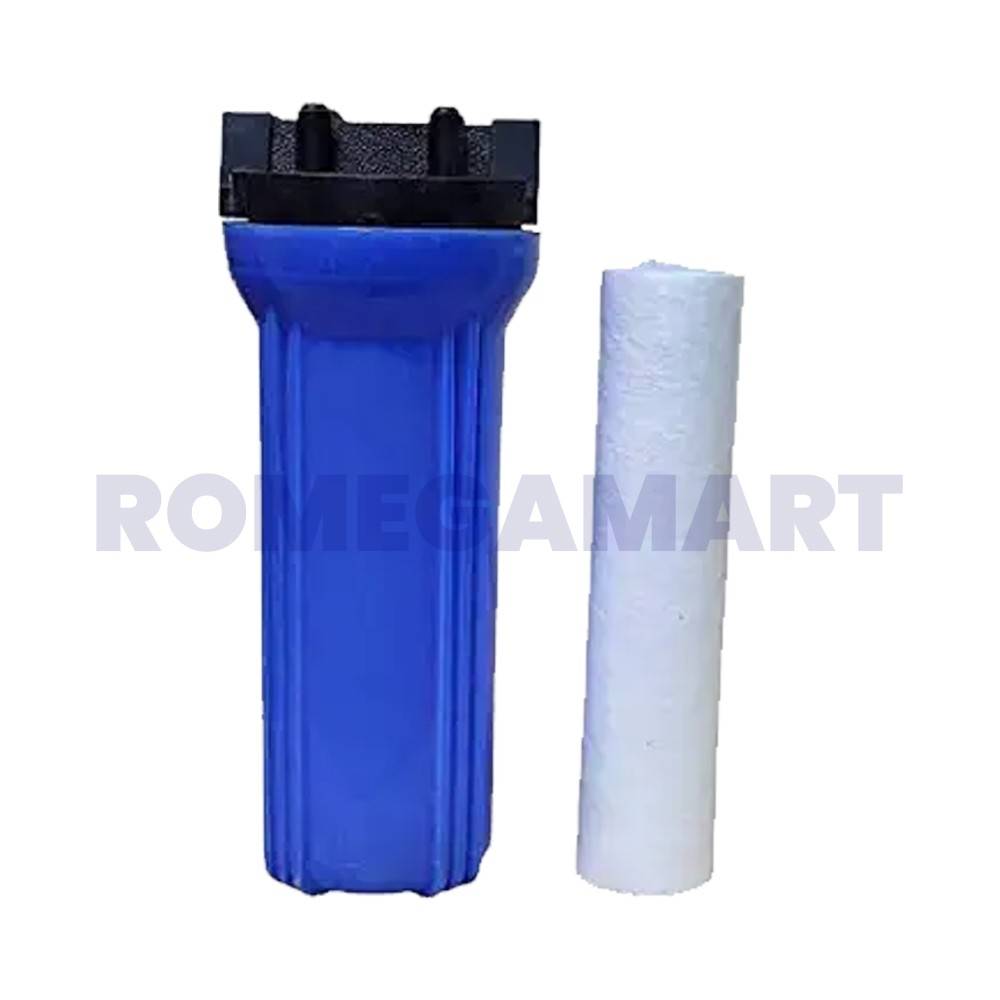
A typical domestic water purifier may have multiple stages: sediment filter, carbon filter, RO membrane, post-filter etc. The term RO filters often refers to the consumable filter cartridges (sediment, activated carbon, carbon block, possibly remineraliser) that pre-treat water before or after the RO membrane.
Here’s why they matter:
-
They extend the life of the RO membrane by removing large particles, chlorine, organic matter and chemicals that can damage it.
-
They improve performance—without good pre-filters, the RO membrane’s efficiency drops, TDS reduction suffers, and output falls.
-
They ensure taste, odour, water clarity. A poor quality filter can leave residual taste or colour even if the membrane is good.
-
They are the highest recurring cost in a RO system—filter cartridges need regular replacement. So understanding “RO water filter price”, “RO filter kit price”, “RO filter change price” is important for budgeting.
-
They form a key part of maintenance and service: as a business supplying filters, you can build recurring revenue and customer retention.
When selecting a water purifier for home use, you should always ask: what are the filter cartridge types, how often must they be replaced, what is their cost, and how easy is it to source them? Because the initial purchase cost is just part of the total cost of ownership.
Understanding RO Filters: What They Are, How They Work & Key Components
What are “RO filters”?
Typically in a reverse osmosis (RO) water purifier the filter cartridges are:
-
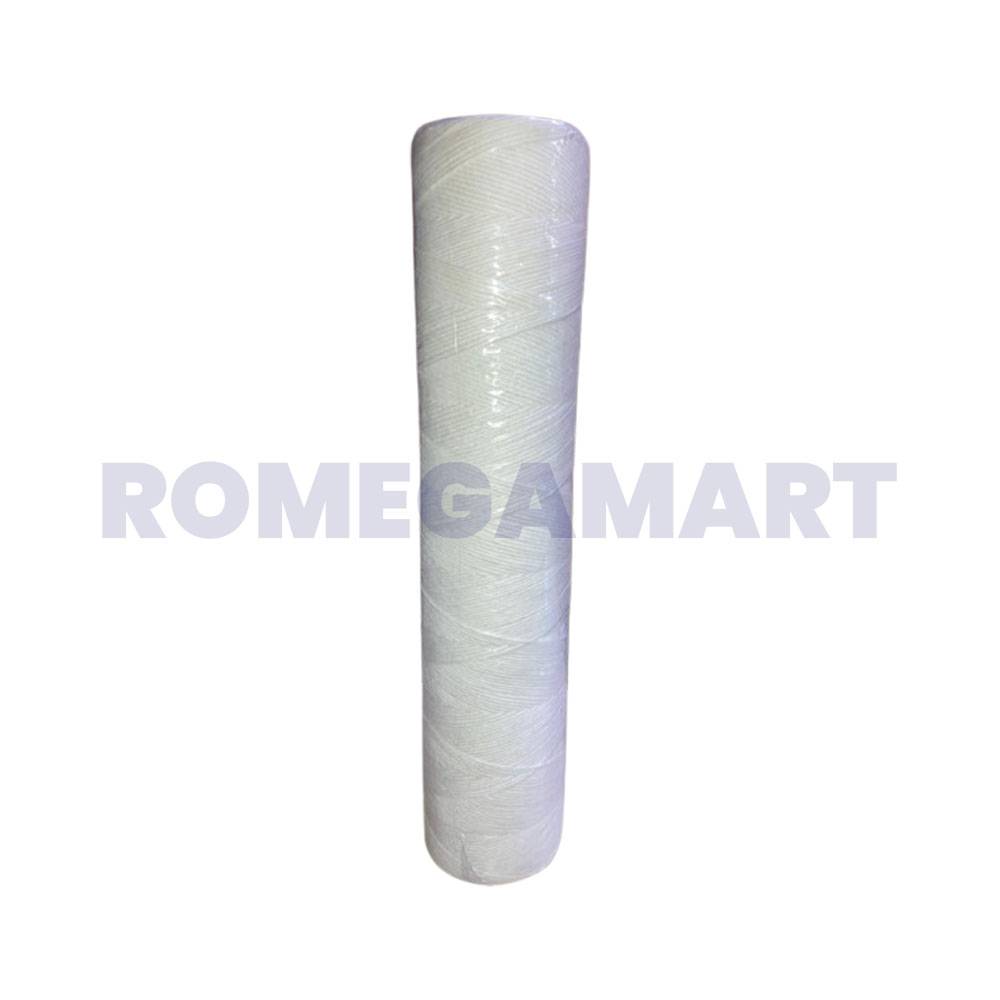
Sediment filter (pre-filter) – removes sand, silt, rust, large particles
-
Carbon filter (or activated carbon block) – removes chlorine, volatile organic chemicals (VOCs), improves smell/taste
-
Post-carbon filter – sometimes used after the RO membrane to polish the water and improve taste
-
Mineral/remineraliser filter – optional in many units, adds back essential minerals lost in RO process
-
UV/UF/POE filters – special filters depending on model but not always part of “RO filters” in strict sense
How RO filters work in the purification chain
-
Water enters from source (borewell, tanker, municipal).
-
Pre-filter (sediment) removes large particles; this protects the carbon and membrane.
-
Carbon filter removes chlorine and chemicals that degrade the membrane.
-
High-pressure pump forces water through RO membrane (removing dissolved solids).
-
Post-filter/mineral filter then refines taste / adds minerals.
-
Storage tank holds purified water; final dispensing tap serves the potable water.
Without good pre-filters, the RO membrane suffers: chlorine attacks TFC membranes, silt/clay blind the membrane surface, particles abrade seals and push-fits. That is why filter quality matters.
Key filter specifications & what you should look for
-
Micron rating of sediment filters (typically 5 µm, 1 µm)
-
Carbon content/quality in carbon filters (activated carbon, block carbon)
-
Certification (BIS/ISI, NSF/ANSI if export market)
-
Compatibility with your RO unit (size, housing diameter)
-
Availability and cost of replacements
-
Filter change indicator in the purifier—some models signal when filters must be changed
-
Filter lifespan (months, litres) based on source water quality
Best Water Purifier for Home: Why Filters & Technology Matter
When we talk about best water purifier for home, it’s not just about brand or fancy display. It’s about how well the purifier integrates filter cartridges, membrane, and service network.
Here are criteria for a home purifier:
-
Source water TDS and quality: If TDS is high (say above 300 ppm) or from borewell/tanker, you need RO + UV + UF + TDS control.
-
Filter cartridges should be easy to replace, widely available and reasonably priced.
-
Service network and availability of spare filters / kits in your city (eg Delhi, Gurugram) matter.
-
Filter change cost forms a big part of operating cost. A cheap initial purchase can become expensive later if filters are costlier or changed too often.
-
Brands with transparent technology and service reputation are preferable. For example, Kent mentions “RO + UV + UF + TDS control” as standard for Indian homes.
So when you see “best water purifier for home in India”, make sure you ask: what filters are used, how often will they need replacement, what is their cost, and how accessible are they?
RO Filter Kit Price & RO Water Filter Price in India
Understanding the cost of filters is crucial, especially if you are responsible for service, installation, or you distribute filters.
Typical RO filter kit price
-
AMPEREUS RO Filter Kit For Water Purifier: approx ₹1,254 (Amazon listing)
-
RO Filter Kit Complete Set for 1 Year Replacement Filters: approx ₹1,699
-
Complete RO Filter Set for RO+UV Water Purifier: approx ₹899
-
Complete RO Water Purifier Filter Kit, 100 GPD Membrane, Sediment + Carbon: approx ₹999
-
Aquaguard Universal RO Filter Kit: approx ₹3,899 (Flipkart listing)
-
Universal RO Purifier Maintenance Set: approx ₹950
RO water filter price ranges in India
-
Basic single-cartridge filters: ₹300-₹700
-
3-stage kits (sediment + carbon + post-carbon): ₹700-₹1,500
-
Full kits including membrane + filters: ₹1,000-₹3,500
-
Brand-premium or advanced kits (branded, with service support): ₹3,000+
RO water filter price near Delhi / Gurugram
Because you specified keywords “ro water filter price near Delhi”, “ro water filter price near Gurugram, Haryana”, consider service-distribution factors:
-
In Delhi/NCR region, local stock lowers shipping cost and you may get same-day replacement.
-
Local dealers may charge premium due to convenience, so retail price might be slightly higher (₹200-300 more) than online.
-
For wholesale/installer rates, distributors in Gurugram may supply kits at ~₹900-₹1,200 ex-warehouse.
Filter change price
When you see “RO filter change price” it typically means cost to replace filters in an existing RO system:
-
Service engineer labour + filters: ₹800-₹1,500 depending on brand and number of cartridges
-
If membrane change is required the cost is higher (₹1,200-₹3,000 depending on membrane size & brand)
-
Annual maintenance cost often ranges ~₹600-₹1,200 if only filters (no membrane)
RO Filters vs Complete RO Water Purifier
While discussing “RO filters”, you also find keywords such as “best RO water purifier”, “top 5 best water purifiers in India”, “RO+UV UF+TDS water purifier”. It’s useful to distinguish:
-
A RO water purifier is the full system including filters, membrane, tank, housing, motor/pump (if required), pipework, and often UV/UF modules.
-
RO filters are consumables within that purifier system that require regular replacement or service.
So when you compare “best water purifier for home”, consider both the initial equipment cost and recurring cost of filters and service.
Top 5 Best Water Purifiers in India (for Homes)
Based on market surveys, compatibility with Indian water conditions, service network and filter availability, here are popular choices:
-
Aquaguard (by Eureka Forbes) – widely trusted household brand.
-
Kent RO – well established, emphasises RO+UV+UF+TDS control.
-
LG Water Purifier – focus on features like mineral booster and advanced filters.
-
Pureit (HUL brand) – good value, good filter support.
-
Livpure / Local Specialist Brands – growing new-age options with filter kit availability.
Each of these brands supports readily available filters and kits, making replacement easy.
Best RO Water Filter Price & Replacement Strategy
When evaluating filter change or replacement, consider:
-
Change sediment filter every 6-12 months
-
Change carbon filter every 12-18 months
-
Post-carbon or mineral remineraliser filter every 12-24 months
-
Check RO filters price periodically as import/duty/petroleum resin costs may fluctuate.
By budgeting ~₹1,000-₹1,500 per year for filter replacements, you can ensure the system stays efficient and safe.
RO Water Filters: Buying Guide for Distributors and Service Providers
Since you are in a business-role (representing Jiayuan Activated Carbon Company, dealing with filtration materials) here are important steps to integrate filters:
Stocking strategy
-
Keep standard filter kits (3-stage) for domestic systems in regional warehouses (Delhi, Gurugram) for quick dispatch.
-
Keep membrane+filter kits too for larger households or high TDS zones.
-
Monitor seasonal demand — e.g., during monsoon/after tanker water usage, filter replacements may spike.
Pricing strategy
-
Offer transparent filter kit price (e.g., “RO filter kit price ₹999 ex-warehouse”)
-
Provide service bundle (labour + filters) for technicians/installers.
-
Bulk discounts for installers who purchase 50+ kits.
Marketing strategy
-
Use inbound traffic: “RO water filter price in India”, “best RO water filter price”, “RO water filter Amazon” as keywords in your landing page.
-
Encourage installers to carry your filter kits—makes you part of their recurring business.
-
Provide training: filter change schedules, how to inspect old filters, service tip sheets.
Product link integration
Your primary product page: Domestic Ro Filters, should be promoted heavily:
-
“Buy RO filters online with fast dispatch to Delhi, Gurugram”
-
Show price tiers: single kit, box of 10 kits, installer bulk supply
-
Provide filter kit specifications, compatibility table, change schedules.
Case Study: RO Filter Replacement in Delhi / Gurugram
Consider a 4-BHK household in Gurugram using a RO+UV+UF+TDS water purifier with ~300 ppm TDS supply water.
-
Yearly water usage: ~8,000 litres
-
System uses 75 GPD membrane
-
Filters: sediment (5 µm), carbon block, post-carbon.
Scenario: After 12 months, water taste changes, flow drops.
Solution: Replace filters: sediment + carbon + post-carbon.
Cost breakdown:
-
Filters kit cost: ~₹1,000 (local Delhi/Gurugram rate)
-
Labour & service: ~₹800
Total: ~₹1,800 (RO filter change price)
By using your stocked kit and installer network, you capture recurring revenue annually and strengthen your brand.
Filter Kit Specifications & Compatibility
When selling or stocking RO filters, ensure your kit specifies:
-
Sediment filter size (10″ or 12″, 5 µm)
-
Carbon block (material, micron rating)
-
Post-carbon or remineraliser (if applicable)
-
Housing compatibility (2.5″ diameter standard for many domestic systems)
-
Service life (e.g., “Replace every 12 months or 8,000 L, whichever is earlier”)
-
Warranty and branding.
Compatibility with major home RO purifiers (Aquaguard, Kent, LG, Pureit) ensures installers can easily adopt your kits.
RO Water Filters Price Comparison: Online vs Offline
Online pricing
From product listings:
-
Basic filter set: ~₹899 – ₹1,699 (see product carousel above)
-
Branded kit (e.g., Aquaguard kit) ~₹3,899
Offline/Local rate
In Delhi/Gurugram, local service provider may charge ~₹1,000-₹2,000, including filters + service. The pure filters kit might cost ₹700-₹1,200 ex-warehouse.
Amazon or Marketplaces
When people search “RO water filter price Amazon”, they often find deals of ~₹750-₹1,500 but check shipping & model compatibility.
Best strategy for your business
-
Publish recommended filter kit price: e.g., Standard kit ₹950, Premium kit ₹1,450
-
Offer installer-bulk discount: 10 kits for ₹8,500 (₹850 each)
-
Provide “filter change service pack” including labour + filters to capture more margin.
Why Filter Change is Critical – Impact of Neglect
If RO filters are not changed in a timely:
-
Sediment build-up reduces flow.
-
Carbon filter saturation causes chlorine to reach membrane causing damage.
-
Post-filter failure affects taste and may lead to bacteria growth in storage tank.
-
Overall system becomes less reliable—leads to customer complaints, service calls, warranty issues.
As a filtration-materials supplier, you can emphasise this to your channel: “Change filters every 12 months to maintain purifier efficiency and avoid membrane damage”.
Integration with Your Filtration Business
Since you represent a filtration materials company (activated carbon etc.), adding “RO filters” to your portfolio makes strong sense:
-
Carbon filters use activated carbon—synergy with your core business.
-
Filter kits become recurring consumables—steady revenue.
-
You can co-brand filters: “Jiayuan Activated Carbon RO Filter Kit – 12 months”
-
You can supply to service networks, installers, distributors and cross-sell with cartridges/membranes.
Summary & Call to Action
In summary:
-
RO filters are critical consumables for every home water purifier with RO technology.
-
Knowing “RO water filter price”, “RO filter kit price”, “best water purifier for home”, “RO water filter price near Delhi/Gurugram”, “best RO water filter price” allows you to position competitively.
-
Buying the purifier is just the start – maintenance and filter change cost matter most.
-
As a business, stocking and supplying filter kits is a smart recurring-revenue move and strengthens relationships with installers/service teams.
-
For your supply portal: Ro Water Filters should be your main landing page linking to filter kits, price tiers, and bulk supply.
-
Always educate your customers: “Which filters to change, when and why” to reduce warranty/service issues and improve satisfaction.




OTP Verified