Water Purifier Service | RO Repair
Premium Service Package
Select Service Type
Choose your package


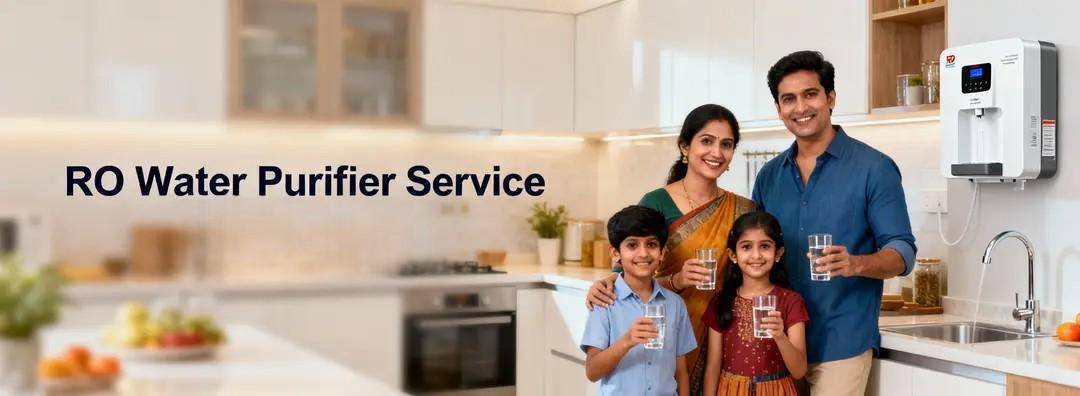
Membrane & Filter Replacement
- RO membrane replacement
- Pre filter replacement
- Cartridge filter replacement
Breakdown & Emergency Repair
- RO plant not producing water
- Low flow / high TDS problem
- High pressure pump failure
- PLC / control panel fault
- Valve, sensor, solenoid issues
- Leakage & piping burst issues
Chemical Services
- Antiscalant dosing & supply
- Membrane cleaning chemicals (CIP)
- Disinfection & sanitization
- Chemical consumption audit
- Chemical optimization (cost saving)
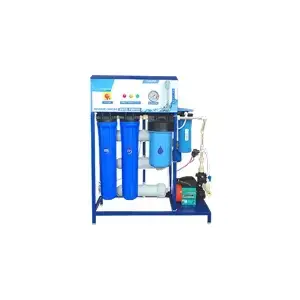
Installation & Commissioning Services
- New Industrial RO / STP / ETP plant installation
- Piping, electrical & panel wiring
- Trial run & performance testing
- Operator training (basic operation & safety)
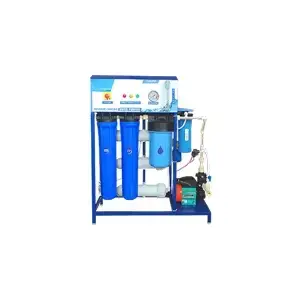
Preventive Maintenance / AMC Services
- Monthly / Quarterly / Annual AMC
- Filter & membrane health check
- Pressure, flow & TDS monitoring
- Chemical dosing system checking
- Cleaning of tanks & vessels
- Breakdown-free operation assurance
Your Cart
Ready to checkout
Your cart is empty
Add some items to get started
150 LPH RO Plant Service – Repair, Maintenance & Installation
A 150 LPH RO plant is suitable for commercial locations that require a regular supply of purified water. Offices, hotels, restaurants, schools, hospitals, hostels, institutions, and other commercial establishments may use a 150 LPH RO system according to their water consumption and treatment requirements.
Continuous operation can affect filters, membranes, pumps, valves, pipelines, and other components over time. Regular servicing helps identify performance changes and maintain the operating condition of the RO plant.
Our 150 LPH RO Plant Service covers commercial RO plant inspection, repair, preventive maintenance, installation, membrane servicing, filter replacement, pump checking, performance testing, and AMC support.
150 LPH RO Service for Commercial Applications
A 150 LPH RO service is designed around the actual condition and configuration of the RO plant rather than a fixed service procedure.
During a service visit, relevant components and operating parameters can be checked, including:
-
RO membrane condition
-
Sediment and carbon filters
-
High-pressure pump
-
Pressure gauges
-
Flow rate
-
TDS levels
-
Valves and pipelines
-
Electrical controls
-
Leakage points
-
Storage and distribution connections
The required service depends on feed-water quality, plant usage, operating hours, pretreatment, and system design.
150 LPH RO Plant Repair Service
A 150 LPH RO Plant Repair Service is required when an existing RO system develops a fault or its performance changes.
Common issues include:
-
Low water production
-
High product-water TDS
-
Low operating pressure
-
Membrane fouling
-
Pump malfunction
-
Blocked filters
-
Water leakage
-
Valve failure
-
Electrical faults
-
Sensor problems
-
Frequent shutdowns
-
Unusual pump noise
-
Reduced water recovery
The repair process should begin with proper diagnosis. Identifying the source of the problem helps determine whether cleaning, adjustment, repair, or component replacement is required.
150 LPH RO Plant Maintenance
Regular 150 LPH RO Plant Maintenance helps monitor the condition of important components before a minor issue becomes a major breakdown.
Membrane Performance Check
The RO membrane is responsible for separating dissolved impurities from the feed water. Scaling and fouling can affect its flow and rejection performance.
Membrane condition can be evaluated using parameters such as product-water TDS, permeate flow, operating pressure, and other relevant readings.
Filter Maintenance
Pretreatment filters should be inspected according to water quality and system design. A blocked or exhausted filter can restrict flow and increase the load on downstream components.
Pump Inspection
The high-pressure pump should be checked for pressure, unusual noise, vibration, leakage, and other signs of abnormal operation.
Pressure and Flow Check
Monitoring feed pressure, permeate flow, and reject flow can help identify changes in RO plant performance.
TDS Monitoring
Regular TDS testing provides useful information about changes in feed-water and product-water quality.
150 LPH RO Installation Service
Installing a 150 LPH RO plant requires proper connections, system configuration, and commissioning.
A 150 LPH RO Installation Service may include:
-
Understanding the site's water requirement
-
Checking the feed-water source
-
Assessing the installation area
-
Planning water connections
-
Installing required pretreatment
-
Connecting the RO system
-
Connecting the high-pressure pump
-
Completing electrical connections
-
Connecting storage and distribution lines
-
Checking pressure and flow
-
Conducting a trial run
-
Testing the system after commissioning
Installation requirements can vary according to plant design and site conditions.
150 LPH RO Membrane Replacement Service
The membrane is continuously exposed to feed-water conditions. Over time, scaling, fouling, or deterioration may affect its performance.
Possible indicators for membrane inspection include:
-
Reduced permeate flow
-
Increasing product-water TDS
-
Reduced rejection
-
Changes in operating pressure
-
Changes in recovery
A membrane should not be replaced only because a particular period has passed. Its condition should be evaluated based on actual system performance.
The replacement membrane should be compatible with the plant configuration, membrane housing, operating pressure, feed-water quality, and application.
150 LPH RO Filter Replacement Service
Filters in the pretreatment stage help protect the RO membrane and other components.
Depending on the system, 150 LPH RO filter replacement service may involve:
-
Sediment filter replacement
-
Activated carbon filter replacement
-
Micron filter replacement
-
Cartridge filter replacement
-
Pretreatment media inspection
The replacement frequency depends on feed-water quality, daily usage, filter type, and plant design.
150 LPH RO Pump Service & Repair
The high-pressure pump is an important part of the RO system because it provides the pressure required for membrane operation.
A 150 LPH RO pump service may be required when the system shows:
-
Low pressure
-
Reduced water production
-
Abnormal pump noise
-
Excessive vibration
-
Leakage
-
Irregular operation
The pump and connected components should be inspected before deciding whether servicing, repair, or replacement is necessary.
150 LPH RO Preventive Maintenance
150 LPH RO preventive maintenance focuses on identifying potential problems before they cause unexpected downtime.
A preventive maintenance schedule may include:
-
Filter condition check
-
Membrane performance monitoring
-
Pump inspection
-
Pressure monitoring
-
Flow measurement
-
TDS testing
-
Leakage inspection
-
Valve checking
-
Electrical inspection
-
Pipeline inspection
-
Cleaning and sanitization where applicable
-
Service record updates
The maintenance frequency should be decided according to actual operating conditions and manufacturer recommendations.
150 LPH RO AMC – Annual Maintenance Contract
A 150 LPH RO AMC provides planned service support according to the terms agreed between the customer and service provider.
An AMC may include:
-
Scheduled maintenance visits
-
Preventive inspection
-
Performance testing
-
Filter inspection
-
Membrane inspection
-
Pump checking
-
Troubleshooting
-
Breakdown support
-
Service documentation
Before selecting a 150 LPH RO annual maintenance contract, check whether labour, spare parts, emergency visits, replacement components, and other charges are included.
150 LPH RO Service for Hotels and Restaurants
Hotels and restaurants can use purified water for kitchens, beverages, drinking water, food preparation, and other applications.
Regular service can help monitor:
-
Water output
-
TDS
-
Filter condition
-
Membrane performance
-
Pump pressure
-
Flow rate
-
Leakage
The required service schedule depends on daily water consumption and system operating conditions.
150 LPH RO Service for Offices and Institutions
Offices, schools, colleges, hostels, clinics, and other institutions may use a 150 LPH RO plant when its capacity matches their water requirements.
Service requirements can depend on:
-
Number of users
-
Daily consumption
-
Operating hours
-
Feed-water quality
-
Storage capacity
-
Plant configuration
Regular inspection can help maintain consistent plant operation during periods of higher usage.
150 LPH RO Service for Commercial & Small Industrial Units
Commercial and small industrial facilities may use a 150 LPH RO system for drinking water or specific applications.
The service may include inspection of:
-
RO membranes
-
Pretreatment filters
-
High-pressure pumps
-
Pressure gauges
-
Flow meters
-
Valves
-
Pipelines
-
Electrical controls
-
Water-quality parameters
The actual servicing requirements depend on the application and treatment configuration.
Common 150 LPH RO Plant Problems
Why is my 150 LPH RO plant producing less water?
Low production can be associated with membrane fouling, blocked filters, low pressure, pump performance, feed-water conditions, temperature, or other system factors.
Why is 150 LPH RO water TDS increasing?
Higher product-water TDS may be related to membrane condition, feed-water changes, pressure, recovery, or other operating conditions. Proper testing can help identify the cause.
Why is the pressure of my 150 LPH RO plant low?
Low pressure may result from pump issues, blocked filters, valves, pipelines, water supply conditions, or other components.
Why is my 150 LPH RO plant leaking?
Leakage can occur at pipes, connectors, valves, housings, pumps, tanks, or other water-carrying components. The source should be identified before repair.
Why does my 150 LPH RO plant stop frequently?
Frequent shutdowns may be related to electrical faults, sensors, pressure conditions, water-level controls, pump problems, or other system components.
How Does 150 LPH RO Plant Service Work?
A typical 150 LPH RO service process can follow these steps:
1. Requirement Assessment
The plant capacity, location, application, and reported issue are collected.
2. System Inspection
The technician checks the RO plant and its major components.
3. Performance Testing
Relevant readings such as TDS, pressure, flow, and water production are checked.
4. Fault Identification
The likely source of the problem is identified based on inspection and performance readings.
5. Repair or Maintenance
Required cleaning, servicing, adjustment, repair, or component replacement is carried out.
6. Final Testing
The system is checked after service to verify its operating condition.
When Does a 150 LPH RO Plant Need Service?
You may need to arrange a technical inspection when you notice:
-
Sudden reduction in water production
-
Increasing product-water TDS
-
Unusual pump noise
-
Pressure fluctuations
-
Water leakage
-
Frequent shutdowns
-
Poor filtration performance
-
Increased reject-water flow
-
Visible damage to components
Early inspection can help determine whether the issue requires maintenance, cleaning, repair, or replacement.
150 LPH RO Plant Service in India
Businesses searching for 150 LPH RO plant service in India can choose a service according to their location, plant configuration, water quality, application, and maintenance requirement.
Whether you require 150 LPH RO plant repair, preventive maintenance, installation, membrane replacement, filter servicing, or AMC, the appropriate service should be determined after evaluating the condition of the system.
Maintaining records of TDS, pressure, flow, membrane performance, filter replacement, and previous repairs can also make future maintenance planning easier.
Frequently Asked Questions
What is 150 LPH RO Plant Service?
150 LPH RO Plant Service includes inspection, repair, preventive maintenance, filter servicing, membrane inspection, pump checking, performance testing, and other services required for a 150 LPH RO system.
How often should a 150 LPH RO plant be serviced?
There is no fixed interval for every system. Service frequency depends on feed-water quality, daily usage, operating hours, plant design, pretreatment, and manufacturer recommendations.
What is included in 150 LPH RO AMC?
A 150 LPH RO AMC may include scheduled maintenance, system inspection, performance checks, preventive servicing, troubleshooting, and breakdown support according to the contract.
When should a 150 LPH RO membrane be replaced?
Membrane replacement should be based on actual performance. Reduced flow, increasing product-water TDS, and changes in rejection or recovery may indicate that the membrane requires inspection.
Can a 150 LPH RO plant be repaired?
Yes. Repair requirements depend on the type of fault, plant configuration, component condition, location, and availability of suitable technical support.
Can I get 150 LPH RO installation service?
Installation availability depends on the location, site conditions, plant configuration, and availability of a suitable technician.
What businesses use a 150 LPH RO plant?
Hotels, restaurants, offices, schools, hospitals, hostels, institutions, and certain commercial or small industrial facilities may use a 150 LPH RO plant depending on their water requirements.
What is the difference between 150 LPH RO repair and maintenance?
Repair focuses on an existing fault, while maintenance focuses on preventive inspection and servicing to monitor and maintain the plant's operating condition.
Get 150 LPH RO Service Support
Looking for 150 LPH RO plant repair, maintenance, installation, membrane replacement, filter servicing, or AMC support?
Get professional service assistance based on your RO plant capacity, location, application, and system requirements.




OTP Verified