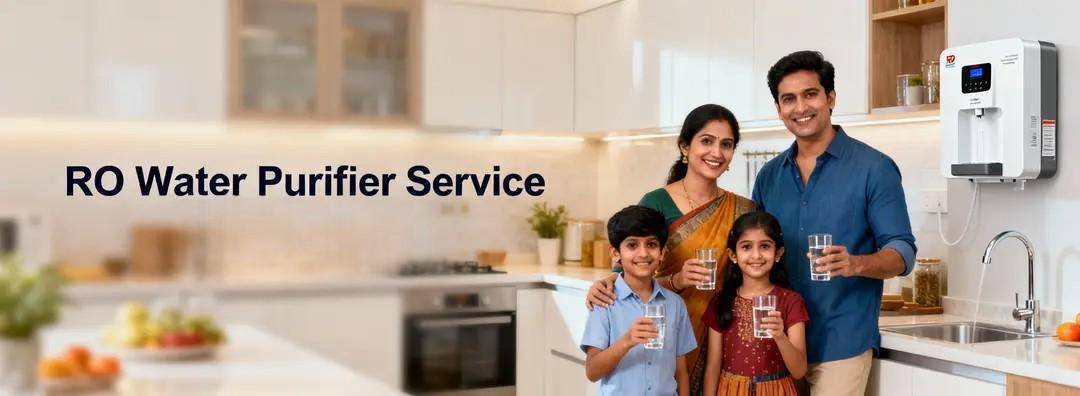
Water Purifier Service | RO Repair
Premium Service Package
Select Service Type
Choose your package

Membrane & Filter Replacement
- RO membrane replacement
- Pre filter replacement
- Cartridge filter replacement
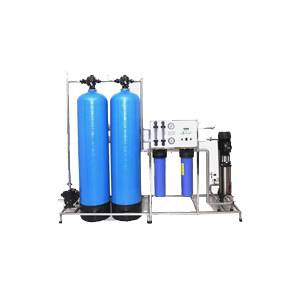
Breakdown & Emergency Repair
- RO plant not producing water
- Low flow / high TDS problem
- High pressure pump failure
- PLC / control panel fault
- Valve, sensor, solenoid issues
- Leakage & piping burst issues
Chemical Services
- Antiscalant dosing & supply
- Membrane cleaning chemicals (CIP)
- Disinfection & sanitization
- Chemical consumption audit
- Chemical optimization (cost saving)
Installation & Commissioning Services
- New Industrial RO / STP / ETP plant installation
- Piping, electrical & panel wiring
- Trial run & performance testing
- Operator training (basic operation & safety)
Preventive Maintenance / AMC Services
- Monthly / Quarterly / Annual AMC
- Filter & membrane health check
- Pressure, flow & TDS monitoring
- Chemical dosing system checking
- Cleaning of tanks & vessels
- Breakdown-free operation assurance
Your Cart
Ready to checkout
Your cart is empty
Add some items to get started
500 LPH RO Plant Service – Repair, Maintenance, Installation & AMC
A 500 LPH RO plant is designed to deliver a continuous supply of purified water for commercial and industrial applications. Because these systems operate with multiple filtration, pressurization, and purification components, regular servicing is important for maintaining stable output, water quality, and overall plant efficiency.
500 LPH RO Plant Service includes professional inspection, preventive maintenance, breakdown repair, membrane servicing, filter replacement, pump inspection, pressure checking, electrical troubleshooting, and other essential service requirements. Proper maintenance can help identify developing issues before they result in major downtime or expensive component failures.
Whether a plant requires routine servicing, urgent repair, installation support, or an annual maintenance contract, a structured service approach helps keep the RO system operating reliably.
What Is 500 LPH RO Plant Service?
500 LPH RO Plant Service is the professional maintenance and technical support provided for RO systems with a purification capacity of approximately 500 litres per hour.
The service covers the major components responsible for water purification and plant operation, including:
-
RO membrane
-
High-pressure pump
-
Sediment filtration system
-
Activated carbon filtration
-
Pressure vessels
-
Flow controls
-
Pressure gauges
-
Valves
-
Electrical control panel
-
Piping and connections
-
Storage and water delivery components
A proper service inspection evaluates the condition and performance of these components and identifies areas that require cleaning, adjustment, repair, or replacement.
500 LPH Industrial RO Service
Industrial RO plants need consistent operating conditions to maintain their expected purification performance. Changes in feed-water quality, pressure, membrane condition, or filter performance can affect the output of the system.
A 500 LPH Industrial RO Service can include:
-
Complete RO plant inspection
-
Feed-water quality checking
-
Pressure and flow monitoring
-
Membrane performance inspection
-
Filter condition assessment
-
High-pressure pump inspection
-
Leakage inspection
-
Valve and piping checks
-
Electrical panel inspection
-
TDS monitoring
-
Preventive maintenance
-
Replacement of worn components
Regular service helps maintain the operating condition of the plant and reduces the possibility of unexpected breakdowns.
500 LPH RO Plant Repair Service
When an RO plant develops a fault, delaying repair can affect production and water availability. 500 LPH RO Plant Repair Service focuses on identifying the source of the problem and restoring the system to proper operating condition.
Common repair requirements include:
-
Low water production
-
High product-water TDS
-
Pressure fluctuations
-
Membrane performance issues
-
Pump-related problems
-
Water leakage
-
Unusual noise or vibration
-
Valve malfunction
-
Electrical faults
-
Flow-control problems
-
Filter blockage
The exact repair requirement depends on the plant's operating condition, feed-water characteristics, and component health.
500 LPH RO Plant Maintenance
Routine maintenance is one of the most important parts of keeping a commercial or industrial RO plant operational.
A typical 500 LPH RO Plant Maintenance schedule may include:
Filter Inspection
Sediment and carbon filters are checked for blockage, contamination, and reduced flow. Filters that have reached the end of their useful life may need replacement.
RO Membrane Inspection
Membrane performance is evaluated by checking parameters such as flow, pressure, TDS reduction, and overall production. Cleaning or replacement may be recommended when performance has deteriorated.
High-Pressure Pump Check
The pump is inspected for pressure output, unusual vibration, noise, leakage, and other signs of mechanical or operational problems.
Pressure and Flow Monitoring
Feed pressure, operating pressure, reject flow, and product flow are checked to identify abnormal operating conditions.
Electrical Inspection
The control panel, wiring, switches, contactors, and other electrical components are checked for loose connections or operational issues.
Leakage Inspection
Pipelines, fittings, valves, housings, and connections are inspected for leakage that could reduce system efficiency or cause equipment damage.
500 LPH RO Membrane Replacement Service
The RO membrane is one of the most important components of an RO plant. Its condition directly affects the quality and quantity of purified water.
A 500 LPH RO Membrane Replacement Service may be required when:
-
Product-water TDS remains high
-
Permeate flow decreases significantly
-
Membrane performance declines
-
Cleaning no longer restores expected performance
-
The membrane has reached the end of its service life
Before replacement, the system should be checked to determine whether the issue is actually related to the membrane or another component such as pre-treatment, pressure, flow, or pump performance.
500 LPH RO Filter Replacement Service
Pre-treatment filters protect the RO membrane by reducing suspended particles, chlorine, organic matter, and other contaminants depending on the filtration arrangement.
500 LPH RO Filter Replacement Service may include inspection and replacement of:
-
Sediment filters
-
Activated carbon filters
-
Carbon media
-
Multimedia filtration components
-
Other pre-treatment elements
Timely filter replacement can help protect the membrane and maintain stable water flow.
500 LPH RO Pump Service & Repair
The high-pressure pump is responsible for maintaining the pressure required for the RO membrane to function effectively.
Pump servicing may involve:
-
Pressure checking
-
Motor inspection
-
Leakage inspection
-
Noise and vibration checking
-
Electrical connection inspection
-
Coupling inspection
-
Performance testing
-
Repair or replacement of faulty components
If the pump does not provide adequate pressure, the entire purification process can be affected.
500 LPH RO Installation Service
A new 500 LPH RO plant requires correct installation to ensure proper operation. 500 LPH RO Installation Service involves setting up the major equipment and connecting the purification system according to its design requirements.
Installation may include:
-
Equipment positioning
-
Pipeline connection
-
Pre-treatment connection
-
RO membrane housing connection
-
High-pressure pump connection
-
Product and reject water lines
-
Electrical panel connection
-
Pressure and flow checks
-
Leakage inspection
-
Initial system testing
Proper installation helps establish stable operating conditions from the beginning.
500 LPH RO Preventive Maintenance
Preventive maintenance focuses on identifying potential problems before they cause system failure.
A preventive service schedule can include:
-
Pressure monitoring
-
TDS monitoring
-
Flow-rate checking
-
Membrane inspection
-
Filter inspection
-
Pump inspection
-
Electrical checks
-
Valve inspection
-
Leakage checks
-
Pipeline inspection
-
General system cleaning
For plants operating regularly, preventive maintenance can help reduce unexpected downtime and improve component reliability.
500 LPH RO AMC Service
An Annual Maintenance Contract for 500 LPH RO Plant provides scheduled technical support over an agreed service period.
Depending on the service agreement, an AMC may cover:
-
Periodic inspection
-
Preventive maintenance
-
Breakdown support
-
Membrane performance checks
-
Filter inspection
-
Pump inspection
-
Pressure and TDS monitoring
-
Electrical system checks
-
Technical troubleshooting
The exact components, visits, replacement parts, and service terms should be confirmed according to the selected AMC plan.
Common 500 LPH RO Plant Problems
Industrial RO systems can experience different problems depending on operating conditions and maintenance history.
Low Water Flow
Low production can be related to membrane fouling, insufficient pressure, clogged filters, temperature variation, or other system conditions.
High TDS in Purified Water
High product-water TDS can indicate membrane performance issues, incorrect operating conditions, leakage, or other technical problems.
Low Operating Pressure
Low pressure may be associated with pump performance, blocked filtration, valve settings, or pipeline restrictions.
Frequent Leakage
Leakage can occur around fittings, housings, valves, pipes, or connections and should be inspected promptly.
Pump Noise or Vibration
Unusual pump noise or vibration may indicate mechanical, electrical, pressure, or installation-related issues.
Frequent Filter Blockage
Rapid filter blockage may occur when feed-water quality changes or pre-treatment is insufficient for the incoming water conditions.
When Does a 500 LPH RO Plant Need Service?
Service should be considered when you notice:
-
Reduced water production
-
Increasing TDS in product water
-
Pressure fluctuations
-
Unusual pump noise
-
Frequent leakage
-
Higher reject-water flow
-
Filter blockage
-
Membrane fouling
-
Electrical faults
-
Irregular plant operation
Even when no visible problem exists, scheduled preventive maintenance is useful for systems operating continuously.
500 LPH RO Service Process
A structured service process makes it easier to identify and resolve RO plant problems.
Step 1: Initial Inspection
The overall condition of the plant and major components is inspected.
Step 2: Performance Assessment
Production flow, pressure, TDS, and other operating parameters are checked.
Step 3: Problem Identification
The technician identifies components or operating conditions that may be affecting plant performance.
Step 4: Cleaning and Maintenance
Required cleaning, adjustments, servicing, and preventive maintenance are performed.
Step 5: Component Replacement
Damaged or exhausted components may be replaced when necessary.
Step 6: Testing
The RO plant is operated and checked after servicing to verify its operating condition.
500 LPH RO Service for Different Applications
A 500 LPH RO plant can support purified-water requirements across several types of facilities.
Hotels and Restaurants
Reliable RO operation is important for drinking water, food preparation, beverage production, and other daily requirements.
Schools and Institutions
Regular maintenance helps maintain a dependable purified-water supply for students, staff, and visitors.
Offices and Commercial Buildings
A properly maintained RO plant can support drinking-water requirements in workplaces and commercial facilities.
Manufacturing Units
Manufacturing operations may require purified water for production processes, cleaning, boilers, or other applications depending on the industry.
Hospitals and Healthcare Facilities
Where RO water is used for designated non-critical or process applications, appropriate maintenance helps maintain consistent system performance. Specific medical applications require systems and validation appropriate to their intended use.
Why Regular 500 LPH RO Maintenance Matters
A commercial or industrial RO plant contains multiple interconnected components. A problem in one section can affect the performance of the complete system.
Regular maintenance can help:
-
Maintain consistent production
-
Protect the RO membrane
-
Identify developing faults
-
Reduce unexpected downtime
-
Maintain stable operating pressure
-
Improve component reliability
-
Support consistent water quality
-
Extend the useful life of equipment
Maintenance requirements should always be based on actual operating conditions and water quality.
Choosing a 500 LPH RO Service Provider
When selecting a service provider, consider technical experience, service scope, component knowledge, response process, and maintenance support.
Look for:
-
Experience with commercial and industrial RO systems
-
Knowledge of 500 LPH RO plants
-
Membrane inspection and replacement support
-
Pump servicing capability
-
Electrical troubleshooting
-
Preventive maintenance options
-
AMC support
-
Genuine replacement components
-
Proper testing after service
-
Clear service terms
A technically appropriate service approach is more important than simply choosing the lowest service cost.
500 LPH RO Service in India
Industrial RO plants are used in different environments where feed-water quality and operating conditions can vary significantly. Therefore, service requirements may differ from one installation to another.
A 500 LPH RO Plant Service in India may involve inspection, repair, preventive maintenance, membrane replacement, filter servicing, pump support, installation, and AMC depending on the condition and application of the plant.
Before starting major repair or replacement work, important parameters such as feed-water quality, pressure, production flow, reject flow, and product-water TDS should be evaluated.
Frequently Asked Questions
1. What is 500 LPH RO Plant Service?
500 LPH RO Plant Service is the technical maintenance and repair support provided for an RO system designed to produce approximately 500 litres of purified water per hour.
2. What does 500 LPH Industrial RO Service include?
It can include inspection, preventive maintenance, membrane checking, filter servicing, pump inspection, pressure and flow testing, leakage checks, electrical troubleshooting, and component replacement.
3. When should a 500 LPH RO plant be serviced?
A plant should be serviced when production decreases, TDS rises, pressure becomes unstable, leakage occurs, or other performance problems appear. Regular preventive servicing is also recommended for continuously operating systems.
4. When does a 500 LPH RO membrane need replacement?
Membrane replacement may be required when water quality and production remain below expected levels despite appropriate cleaning and when testing indicates significant membrane deterioration.
5. Does filter condition affect RO membrane performance?
Yes. Effective pre-treatment helps reduce the load on the RO membrane and can help protect it from fouling and damaging contaminants.
6. What causes low production in a 500 LPH RO plant?
Possible causes include membrane fouling, insufficient operating pressure, clogged pre-treatment filters, temperature changes, pump problems, flow restrictions, or other system conditions.
7. What is 500 LPH RO AMC?
500 LPH RO AMC is an annual maintenance arrangement that can provide scheduled inspection, preventive maintenance, breakdown support, and other services according to the agreed service terms.
8. Is preventive maintenance necessary for an industrial RO plant?
Yes. Preventive maintenance helps identify potential problems early and supports stable operation of the plant.
9. Can a 500 LPH RO plant be installed at a new facility?
Yes. A suitable 500 LPH RO system can be installed after evaluating the required application, feed-water quality, space, utilities, and operating requirements.
10. What should be checked during 500 LPH RO servicing?
Important checks can include feed pressure, operating pressure, product flow, reject flow, TDS, membrane performance, filters, pump condition, valves, piping, electrical components, and leakage points.
Conclusion
A 500 LPH RO plant requires more than occasional troubleshooting to maintain reliable performance. Regular 500 LPH RO Plant Service, preventive maintenance, timely filter and membrane servicing, pump inspection, and proper electrical and pressure checks can help maintain stable operation.
Whether the requirement is 500 LPH RO Plant Repair, 500 LPH RO Installation Service, 500 LPH RO Membrane Replacement, 500 LPH RO Filter Replacement, or 500 LPH RO AMC Service, the right maintenance approach should be based on the plant's actual operating condition and water-treatment requirements.
For commercial and industrial facilities that depend on a consistent purified-water supply, planned RO maintenance provides a practical way to monitor system performance and address technical issues before they become major operational problems.




OTP Verified