

Float Valve: Complete Guide to Water Level Control in RO Systems
Water level management is an important part of any water purification or storage system. Whether it is a domestic RO purifier, commercial RO plant, or industrial water-treatment setup, maintaining the correct water level can help improve system operation and reduce unnecessary water overflow. A float valve is one of the components commonly used for controlling the water level inside a tank.
A float valve works according to the water level. As the water rises, the float moves upward and the valve mechanism can regulate or stop the incoming water supply. For electrical applications, a float switch can detect water levels and control connected equipment through an electrical circuit.
What Is a Float Valve?
A float valve is a water-control component designed to regulate the flow of water according to the level inside a tank. It contains a floating mechanism that moves as the water level changes.
When the tank reaches a predetermined level, the float mechanism changes position and helps control the water inlet. This makes float valves useful for storage tanks, RO systems, filtration units, and water-treatment applications.
A suitable water tank float valve can be particularly useful where continuous water filling needs to be controlled automatically.
How Does a Float Valve Work?
The operation of a float valve is relatively simple.
When the water level inside the tank is low, the float remains in a lower position. The valve allows water to enter the tank. As the tank fills, the float gradually rises with the water level.
Once the water reaches the required level, the float reaches its upper position and the valve restricts or stops the incoming water flow.
When the water level falls again, the float moves downward and the valve can reopen.
This simple mechanism makes a float valve useful for automatic water-level management.
Float Valve vs Float Switch
Although the terms are sometimes used interchangeably, a float valve and a float switch perform different functions.
A float valve primarily regulates water flow mechanically. A float switch, on the other hand, detects the water level and operates an electrical switching mechanism.
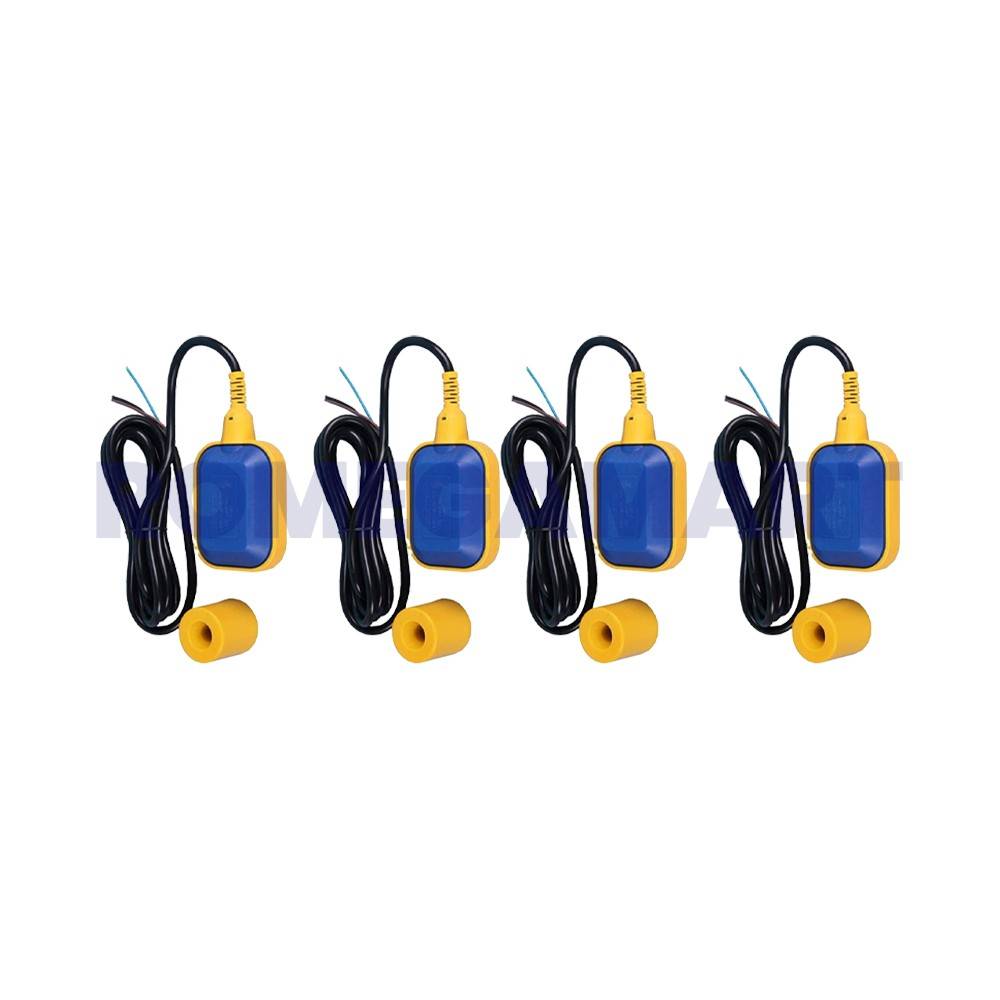
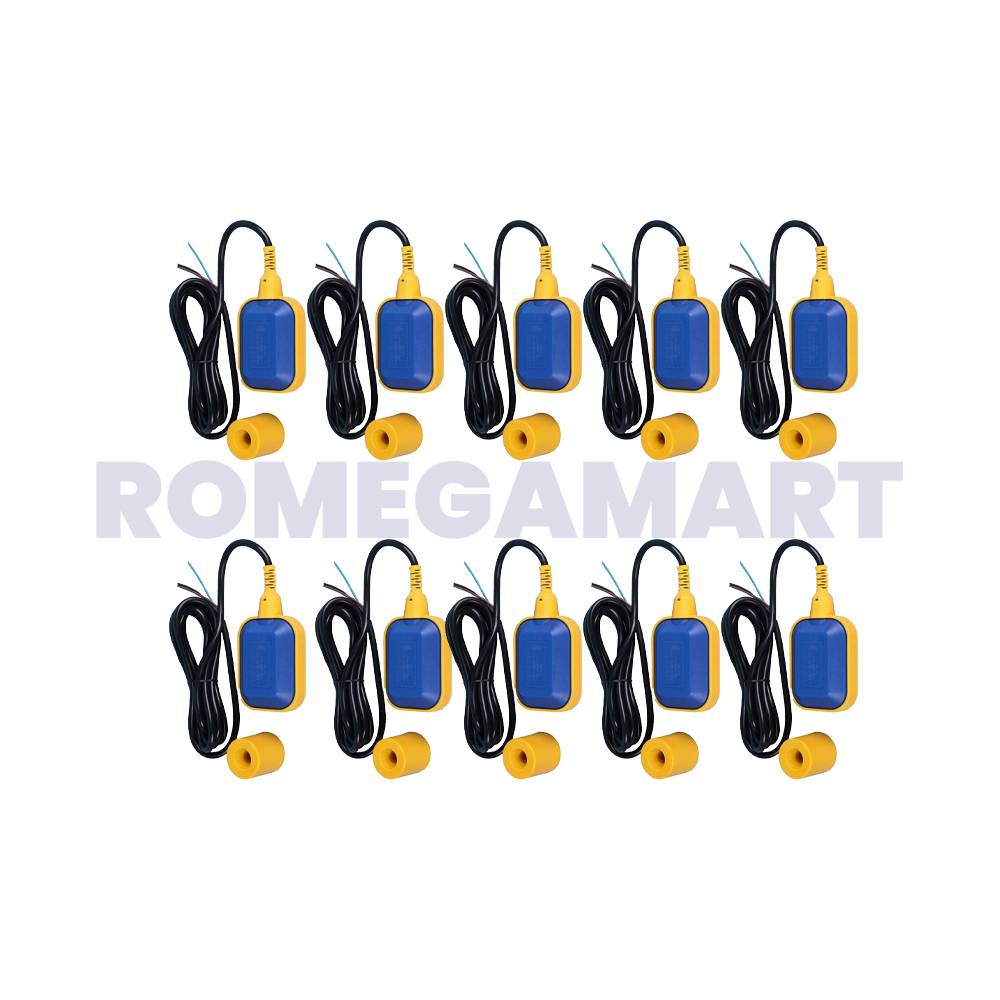
An RO float switch can therefore be connected to suitable electrical equipment or control systems, depending on its specifications.
Both components can play an important role in water-level management, but the correct choice depends on the system design.
Why Is a Float Valve Important in RO Systems?
RO systems often use storage tanks to hold purified or treated water. Without proper level control, a tank may continue receiving water after reaching its required capacity.
A suitable float valve for RO can help control the filling process and reduce the possibility of unnecessary overflow.
Float-related components can be useful for:
- RO storage tanks
- Commercial RO systems
- Industrial RO plants
- Water filtration systems
- Water-treatment tanks
- Raw water storage
- Treated water storage
For larger systems, an industrial float switch or water-level sensor may be selected according to the plant's control requirements.
Applications of Float Valves
Float valves are used in a variety of water-management applications.
Domestic RO Systems
In domestic purification systems, compact float components can help manage water levels in storage tanks.
Commercial RO Plants
Restaurants, offices, hotels, schools, and other commercial establishments may use water-treatment systems with storage tanks that require level monitoring.
Industrial RO Plants
Industrial water-treatment systems often use larger storage and process tanks. Suitable float switches or level-control devices can help automate water-level monitoring.
Water Storage Tanks
A water tank float valve can automatically regulate incoming water and help maintain the desired tank level.
Water Treatment Systems
Water treatment plants can use level-control components as part of automated tank and process-water management.
Types of Float Switches
Different applications require different float-switch designs. Some commonly used types include:
Top-Mount Float Switch
A top-mount float switch is installed through the upper part of a tank. It can be suitable when access from the top is available.
Side-Mount Float Switch
A side-mount float switch is installed through the side of a tank. This configuration can be useful when the tank design makes side installation more practical.
Cable Float Switch
A cable float switch uses a cable-connected floating mechanism to detect water-level changes. It can be useful for tanks where a suspended sensor arrangement is preferred.
Float With Switch
A float-with-switch combines a floating mechanism with an electrical switching function and can be used for automatic water-level control.
How to Choose the Right Float Valve?
Choosing the correct float valve or float switch requires more than simply checking the product name. Consider the following factors before purchasing.
1. Application
Determine whether the product will be used for a domestic RO purifier, commercial RO system, industrial plant, or general water tank.
2. Installation Type
Check whether your system requires a top-mount, side-mount, or cable-type configuration.
3. Tank Size
The size and design of the tank can influence the type and dimensions of the float component required.
4. Material
Choose a component made from material appropriate for the water-treatment application and operating conditions.
5. Electrical Requirements
For a float switch, verify voltage, switching capacity, cable specifications, and compatibility with the control system.
6. Installation Requirements
Check the available mounting space, connection dimensions, cable length, and installation position before ordering.
Benefits of Using a Water Level Controller
A water level controller can make water-management systems more convenient and efficient.
Some potential benefits include:
- Automatic water-level monitoring
- Reduced manual tank checking
- Better control of water filling
- Reduced risk of overflow
- Support for automated RO operation
- Useful for commercial and industrial systems
- Better management of storage tanks
However, the actual performance depends on selecting the correct product and installing it according to the manufacturer's specifications.
Float Valve Price: What Affects the Cost?
People searching for float valve price or float switch price should consider product specifications rather than choosing only on the basis of cost.
Price can vary depending on:
- Product type
- Material
- Mounting design
- Electrical specifications
- Cable length
- Float size
- Application
- Brand and product quality
For industrial RO systems, selecting a suitable component can be more important than simply choosing the cheapest option.
Maintaining Float Valves and Float Switches
Regular inspection can help identify potential problems before they affect the water system.
Check for:
- Dirt or deposits around the float
- Physical damage
- Restricted float movement
- Loose connections
- Cable damage
- Leakage around installation points
- Incorrect switching operation
If a float becomes stuck or does not respond properly to changing water levels, it may need cleaning, adjustment, or replacement.
Why Choose RO Service & Sales?
Finding the right RO spare part can be difficult when a system requires multiple components. RO Service & Sales provides products and services related to domestic, commercial, and industrial RO and water-treatment requirements.
The platform can be useful for customers looking for:
- RO spare parts
- Industrial RO components
- Water-treatment products
- Float switches
- Water-level control components
- RO installation
- RO repair
- RO servicing
- RO maintenance
- AMC services
For customers managing commercial or industrial RO systems, having access to both spare parts and professional service support can make maintenance more convenient.
Final Thoughts
A float valve is a simple but useful component for managing water levels in tanks and water-treatment systems. For applications that require electrical level detection, an RO float switch or industrial float switch may be more appropriate.
Before purchasing, always consider the application, tank configuration, mounting method, material, dimensions, and electrical specifications. Choosing the right water-level control component can help support reliable operation of an RO or water-treatment system.
If you are looking for float valves, RO float switches, industrial float switches, water-level controllers, or other RO spare parts, explore the available solutions from RO Service & Sales and select the product according to your system requirements.




OTP Verified