

An industrial RO plant depends on several components working together to produce treated water. A worn membrane, an unsuitable pump, a clogged filter or a faulty control component can affect water output and plant performance. Finding the right replacement is therefore important for plant operators, maintenance teams, RO technicians and water treatment businesses.
RO Service & Sales provides dedicated product categories for key RO plant components, including membranes, high-pressure pumps, filters, housings, vessels, dosing pumps and control panels. Whether you are maintaining an existing plant or sourcing parts for a new installation, start by identifying your plant model, operating conditions and the component specifications required.
Browse the categories below to explore the available RO plant spare parts and identify the components relevant to your application.
An RO plant uses pretreatment, pressure-driven membrane filtration and supporting equipment to treat water. The exact configuration depends on the feed-water quality, required output, plant design and treatment objectives.
The main components commonly found in industrial RO systems include:
RO membranes: Separate a portion of dissolved salts and other substances from the feed water.
High-pressure pumps: Provide the pressure required for the RO membrane stage.
Raw water pumps: Transfer feed water to the appropriate treatment stage, depending on the plant design.
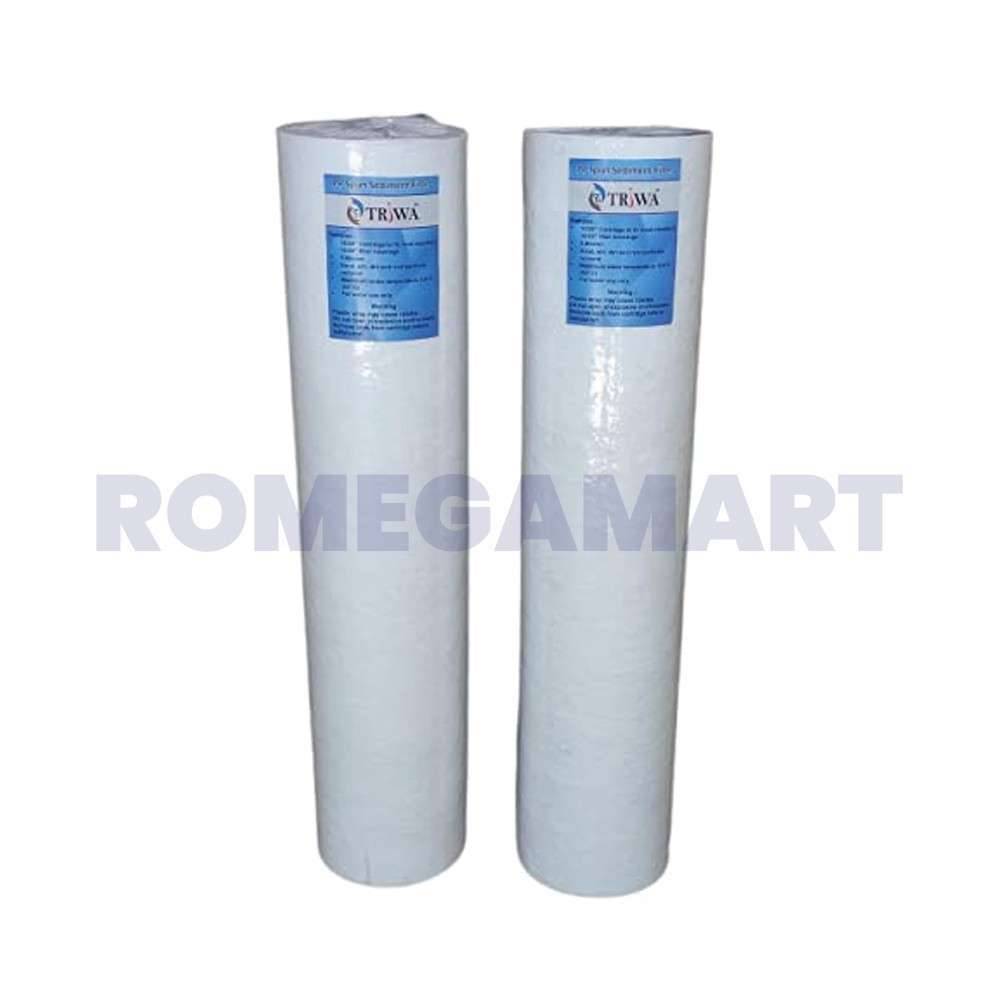
Filters: Remove targeted suspended particles or other impurities as part of pretreatment.
Filter housings: Hold compatible filter cartridges or filtration elements.
FRP vessels: House suitable filtration media or other treatment elements, depending on the system design.
Dosing pumps: Deliver controlled quantities of treatment chemicals where required.
RO panels: House electrical controls and monitoring components, depending on the panel configuration.
Low-pressure and high-pressure switches (LPS/HPS): Help monitor pressure conditions and provide protective control functions when correctly configured.
SS stands: Support equipment or vessels in installations designed for stainless-steel structures.
Not every plant uses all these components. Always refer to the plant's approved design and equipment documentation before ordering replacement parts.
Use the following categories to find the components you need. Product availability, specifications and compatibility should be confirmed on the relevant listing before purchase.
RO membranes are central to the reverse osmosis process. The correct membrane depends on the system design, feed-water characteristics, required permeate quality and operating conditions.
Explore RO membranes for industrial plants.
High-pressure pumps supply the pressure needed for the RO membrane stage. When selecting a replacement, compare the required flow, operating pressure, motor and electrical specifications, connection sizes and material compatibility.
Browse industrial RO high-pressure pumps.
Filters are used at different stages of water treatment to reduce the impurities they are designed to capture. The correct filter depends on the filtration stage, micron rating or media type, flow requirement and system design.
View the available industrial water filters.
Housing components hold compatible filtration elements and help maintain the required sealing and operating conditions. Check the filter or cartridge dimensions, connection type, pressure rating and material compatibility before selecting a replacement.
Explore industrial RO housing and filter housing.
FRP vessels are commonly used in water treatment systems to hold suitable filtration media or other specified treatment elements. Selection depends on the intended application, vessel dimensions, pressure requirements and compatibility with the media or equipment.
Browse FRP vessels for water treatment.
Raw water pumps move feed water through the relevant sections of a treatment plant. Dosing pumps deliver controlled quantities of chemicals where the process requires them.
For either type, verify flow requirements, pressure conditions, chemical compatibility where applicable, power supply and connection details.
Explore raw water pumps and dosing pumps.
Electrical control panels support plant operation and monitoring according to their configuration. LPS/HPS devices monitor pressure conditions, while SS stands provide structural support where required.
Check the plant's wiring diagram, control requirements, switch settings, dimensions and installation conditions before replacing these components.
Explore the RO panel category, LPS/HPS components and SS stands.
Choosing a component by appearance or price alone can lead to compatibility problems. Use this practical checklist before ordering:
Identify the plant and component: Record the plant model, component name, manufacturer and part number if available.
Check the technical specifications: Compare operating pressure, flow rate, dimensions, connection type, electrical requirements and material compatibility, as applicable.
Consider the water conditions: Feed-water quality, temperature and chemical exposure may influence component selection.
Confirm the application: A part intended for pretreatment may not be suitable for the high-pressure RO stage.
Review installation requirements: Confirm seals, fittings, mounting arrangements and any related components needed for replacement.
Check the product listing: Verify current availability, specifications, price and delivery terms before ordering.
For a 250 LPH RO plant or a larger industrial installation, use the actual plant design and component documentation to determine the required parts. Plant capacity alone is not enough to identify an exact replacement.
The cost of RO plant spare parts varies by component type, specifications, material, manufacturer and intended application. A reliable price comparison should consider compatibility and technical requirements as well as the quoted amount.
Factors that can influence pricing include:
Component size, capacity and operating-pressure requirements.
Membrane model and performance specifications.
Pump flow, pressure, motor and construction details.
Filter type, rating and dimensions.
Housing or vessel material and pressure rating.
Electrical control features and compatibility.
Quantity ordered, shipping and any installation requirements.
For an accurate RO plant spare parts price list, check the current product listings or request a quotation for the required items. The exact prices and availability should be verified before publishing or placing an order.
Routine inspection can help identify wear and operating problems before they cause extended downtime. Follow the manufacturer's maintenance schedule and the plant's operating procedures.
Monitor feed pressure, operating pressure, flow and treated-water quality.
Check filters and pretreatment equipment for signs of blockage or deterioration.
Review membrane performance using appropriate operating data rather than TDS alone.
Inspect pumps, seals, fittings and connections for leaks or abnormal noise.
Verify that dosing equipment is configured for the approved treatment process.
Inspect control panels and pressure switches using qualified personnel.
Replace components with compatible parts and document maintenance work.
Chemical cleaning, membrane replacement and electrical repairs should follow the equipment manufacturer's instructions and be carried out by suitably trained personnel. The chemical used in an RO plant depends on the treatment purpose and system requirements; no single chemical is appropriate for every plant.
RO Service & Sales focuses on RO-related products and service requirements, including industrial and commercial RO plant installation, repair and maintenance.
The industrial spare-parts category helps users navigate dedicated listings for major components instead of searching through unrelated product groups. This can make it easier to identify the relevant category before checking the product specifications.
Before ordering, customers should confirm:
Whether the listed component matches their plant requirements.
The specifications, availability and price shown on the current product listing.
Whether additional fittings, seals or accessories are required.
Any installation or servicing requirements associated with the replacement.
For industrial plant maintenance, accurate component identification is essential. If a part's specifications are unclear, confirm the details with the supplier or a qualified technician before purchase.
Looking for reverse osmosis plant parts for maintenance, replacement or a new installation? Start with the relevant product category and compare the specifications against your existing equipment.
Browse industrial RO spare parts to explore the available categories. For a more specific search, visit the membrane, pump, filter, housing, vessel or control-panel category linked above.
Before placing an order, verify the model, operating requirements, compatibility, current price and availability. For larger requirements or multiple components, prepare a parts list with quantities and technical specifications to support a more accurate quotation.
Common components include RO membranes, high-pressure pumps, raw water pumps, filters, filter housings, vessels, dosing pumps and control equipment. The exact list depends on the plant's design and treatment stages.
You can explore the industrial spare-parts category and navigate to the relevant product listing. Check specifications, availability, compatibility and current pricing before ordering.
Refer to the plant's equipment manual, approved drawings, bill of materials or existing component labels. Record part numbers, dimensions, pressure and flow requirements, and electrical details where applicable. The required parts vary by plant model and capacity.
Price depends on the component type, specifications, material, manufacturer, quantity and application. Installation requirements and delivery may also affect the overall cost. Confirm current prices with the relevant listing or supplier.
The required parts depend on the plant's design, feed-water quality, pretreatment arrangement and operating conditions. Use the manufacturer's parts list or equipment documentation instead of assuming every 250 LPH plant uses identical components.
Depending on the water quality and treatment design, a plant may use antiscalants, cleaning chemicals or other approved treatment chemicals. Selection and dosage depend on the process and equipment instructions. Use only suitable chemicals and follow the prescribed safety procedures.
There is no universal replacement interval for every component. Filter and membrane life depends on feed-water quality, pretreatment, operating conditions, maintenance and manufacturer recommendations. Monitor plant performance and follow the relevant maintenance schedule.
Reliable operation of an industrial RO plant depends on selecting compatible components and maintaining them according to the system's requirements. From membranes and high-pressure pumps to filters, vessels and control equipment, each part has a specific role in the treatment process.
RO Service & Sales offers dedicated categories to help customers explore RO plant components and industrial RO spare parts. Review the relevant listings, confirm the technical specifications and check current pricing before ordering so the selected parts meet your plant's actual requirements.

OTP Verified