

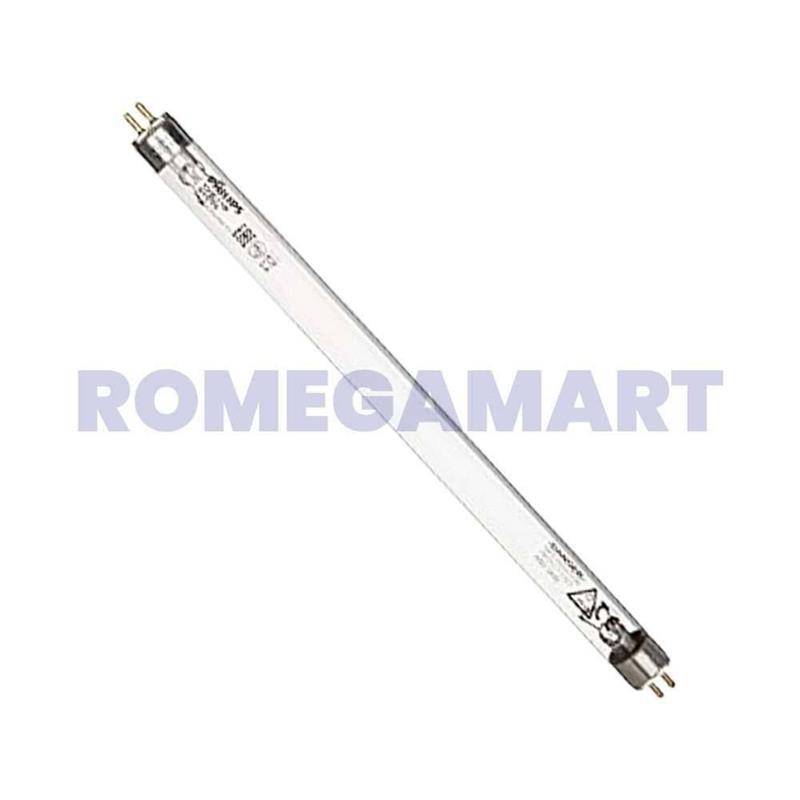

UV Lamp for RO Water Purifier – An Important Component for Water Purification
A UV lamp for an RO water purifier is used to help make water microbiologically safer by exposing it to ultraviolet light. It is an important component in water purification systems designed to control microorganisms in water. Over time, the lamp's performance can decrease, making timely inspection and replacement important.
Whether you are maintaining a domestic RO purifier, repairing an existing unit, or sourcing spare parts for customers, choosing a compatible UV lamp is essential. At RO Service & Sales, explore UV lamp options for RO water purifiers and find components suitable for your system's replacement requirements.
What Is a UV Lamp in an RO Water Purifier?
A UV lamp is a light source used in water purification systems to expose flowing water to ultraviolet radiation. This process can inactivate microorganisms by affecting their ability to reproduce.
In an RO water purifier, the UV stage may work alongside other filtration components to provide an additional treatment step. While RO filtration helps reduce dissolved impurities, UV treatment serves a different purpose by targeting microorganisms.
A UV lamp should always be selected according to the purifier's design, electrical requirements and UV chamber compatibility.
How Does a UV Lamp Work in a Water Purifier?
A UV-based purification system generally consists of a UV lamp fitted inside a protective chamber. Water flows through the chamber and receives exposure to ultraviolet light.
The process typically involves:
-
Water enters the UV chamber: Water flows through the specially designed chamber.
-
UV exposure takes place: The lamp produces ultraviolet radiation that interacts with microorganisms in the water.
-
Microorganisms are inactivated: Adequate UV exposure can prevent susceptible microorganisms from reproducing.
-
Treated water moves forward: Water continues through the purifier's designed outlet or subsequent treatment stage.
The effectiveness of UV treatment depends on factors such as lamp output, exposure time, water clarity, flow rate and the condition of the UV chamber.
Why Is a UV Lamp Important for an RO System?
An RO purifier and a UV treatment unit perform different functions. Combining these technologies can provide multiple stages of water treatment when the system is correctly designed.
Some important reasons for using a UV lamp include:
-
Microbial control: UV treatment can inactivate susceptible microorganisms when the system delivers an appropriate UV dose.
-
Additional purification stage: It provides a treatment process alongside filtration and RO technology.
-
Compact installation: UV units are available in designs intended for integration into water purification systems.
-
Domestic water treatment: UV technology is used in selected household water purifiers.
-
System maintenance: Replacing an ageing or damaged lamp helps maintain the intended operation of the UV stage.
Important: UV treatment does not remove dissolved salts, heavy metals, chemicals or suspended particles. It should not be considered a replacement for RO membranes, sediment filters or carbon filters.
Where Are UV Lamps Used?
UV lamps are used in different water treatment applications depending on the system's design and treatment requirements.
1. Domestic RO Water Purifiers
UV lamps are used in selected household water purifiers as an additional treatment stage. The correct replacement depends on the purifier model and the original UV assembly.
2. UV-Based Water Purification Systems
Some water purifiers use UV technology as a dedicated treatment process. In these systems, lamp compatibility and the design of the UV chamber are important.
3. Commercial Water Purification Units
Certain commercial water treatment systems use UV disinfection as part of their treatment arrangement. Lamp selection should be based on the system's flow rate and required treatment performance.
4. RO Repair and Maintenance Work
RO technicians and service providers may need replacement UV lamps when an existing lamp stops working, becomes damaged or reaches the end of its recommended service life.
How to Choose the Right UV Lamp for an RO Water Purifier
Not every UV lamp is suitable for every water purifier. Before purchasing a replacement, check the following details.
1. Compatibility with the purifier
Check the make and model of the existing purifier. The replacement lamp should match the original system's requirements.
2. Lamp dimensions
Compare the length, diameter and fitting arrangement of the existing lamp with the replacement option.
3. Electrical requirements
Check the voltage, power rating and compatible ballast or driver requirements. An incompatible electrical connection can affect operation.
4. UV chamber compatibility
The lamp must fit correctly inside the UV chamber. The protective sleeve and connection arrangement should also be suitable for the system.
5. Manufacturer specifications
Refer to the original equipment documentation for the recommended lamp type and replacement requirements.
6. Intended application
A lamp designed for a domestic purifier may not be appropriate for a commercial or industrial UV treatment unit.
When Should You Replace an RO UV Lamp?
A UV lamp may continue to glow even after its effective UV output has reduced. Therefore, visible light alone is not a reliable way to determine whether the lamp is still providing the required treatment.
Consider checking or replacing the lamp when:
-
It has reached the manufacturer's recommended replacement interval.
-
The UV lamp is damaged or no longer switches on.
-
The UV indicator or alarm shows a fault.
-
The ballast, electrical connection or lamp assembly has a problem.
-
The purifier's maintenance schedule recommends replacement.
Always follow the manufacturer's instructions for replacement intervals and servicing.
Common UV Lamp Problems and Their Solutions
|
Common problem |
Possible reason |
Recommended action |
|---|---|---|
|
UV lamp does not glow |
Power supply or lamp failure |
Check the electrical supply and lamp |
|
UV indicator shows an error |
Lamp or sensor-related fault |
Inspect the UV assembly |
|
Lamp switches off repeatedly |
Electrical or ballast issue |
Check compatible electrical components |
|
Reduced UV performance |
Ageing lamp or dirty sleeve |
Inspect and maintain the UV chamber |
|
Water flow is affected |
Blockage or another system issue |
Inspect the water pathway |
For electrical inspection and replacement, follow the manufacturer's safety instructions or consult a qualified technician.
Benefits of Using a Compatible UV Lamp
Using the correct UV lamp helps maintain the intended functioning of the water purifier's UV treatment stage.
Key benefits include:
-
Supports the designed UV treatment process.
-
Helps control susceptible microorganisms through UV exposure.
-
Maintains compatibility with the purifier's UV chamber.
-
Supports routine RO purifier maintenance.
-
Helps technicians complete replacement and repair work correctly.
Remember that the overall performance of a water purifier depends on the condition of all its treatment stages, not just the UV lamp.
Why Choose RO Service & Sales?
Selecting the right spare part is an important part of maintaining an RO water purifier. RO Service & Sales focuses on RO products, spare parts and water purification requirements.
Customers can explore the available product range and identify components according to their purifier and maintenance needs.
Whether you are a household customer, RO dealer, technician or service provider, check the product details before selecting a replacement UV lamp.
For a suitable purchase, consider:
-
Checking product specifications before ordering.
-
Matching the lamp with your existing UV assembly.
-
Confirming electrical and fitting compatibility.
-
Reviewing replacement and installation requirements.
Explore More RO Spare Parts
Along with UV lamps, you can explore other components used in domestic RO water purifiers.
Suggested internal links:
Check that each destination is live and relevant before publishing the links.
Enquire About UV Lamps for RO Water Purifiers
Looking for a replacement UV lamp for your domestic RO water purifier? Explore the available options at RO Service & Sales and check the product details before purchasing.
If you are unsure which lamp fits your purifier, keep the existing lamp's model, dimensions and electrical specifications available when making an enquiry. This can help identify a compatible replacement.
Frequently Asked Questions
1. What is the use of a UV lamp in an RO water purifier?
A UV lamp exposes water to ultraviolet radiation to inactivate susceptible microorganisms. It works as an additional treatment stage in compatible RO water purifiers.
2. Does a UV lamp remove TDS from water?
No. A UV lamp does not remove dissolved salts or reduce TDS. An RO membrane is used for reducing dissolved impurities in an RO purification system.
3. How often should an RO UV lamp be replaced?
Replacement frequency depends on the lamp model and manufacturer's recommendations. Follow the specified replacement interval rather than relying only on whether the lamp is glowing.
4. Can I use any UV lamp in my RO purifier?
No. UV lamps differ in dimensions, electrical requirements and fitting arrangements. Always select a replacement compatible with your purifier model and UV chamber.
5. Does a UV lamp work without an RO membrane?
UV technology can be used independently in a suitably designed water treatment system. However, it does not perform the same function as an RO membrane and does not remove dissolved salts.
6. What are the signs of a faulty UV lamp?
A lamp that does not switch on, a UV fault indicator, visible damage or a lamp that has passed its recommended replacement interval may require inspection or replacement.
7. Is a UV lamp necessary for every domestic RO purifier?
No. Not all domestic RO purifiers use UV technology. The need for a UV lamp depends on the purifier's original design and water treatment requirements.
Maintain Your RO Purifier with the Right UV Lamp
A UV lamp plays a specific role in water purification by providing ultraviolet treatment against susceptible microorganisms. Choosing a compatible lamp and following the correct maintenance schedule helps maintain the intended performance of the UV stage.
Explore UV lamps and other domestic RO spare parts at RO Service & Sales to find components that match your water purifier's requirements.




OTP Verified