

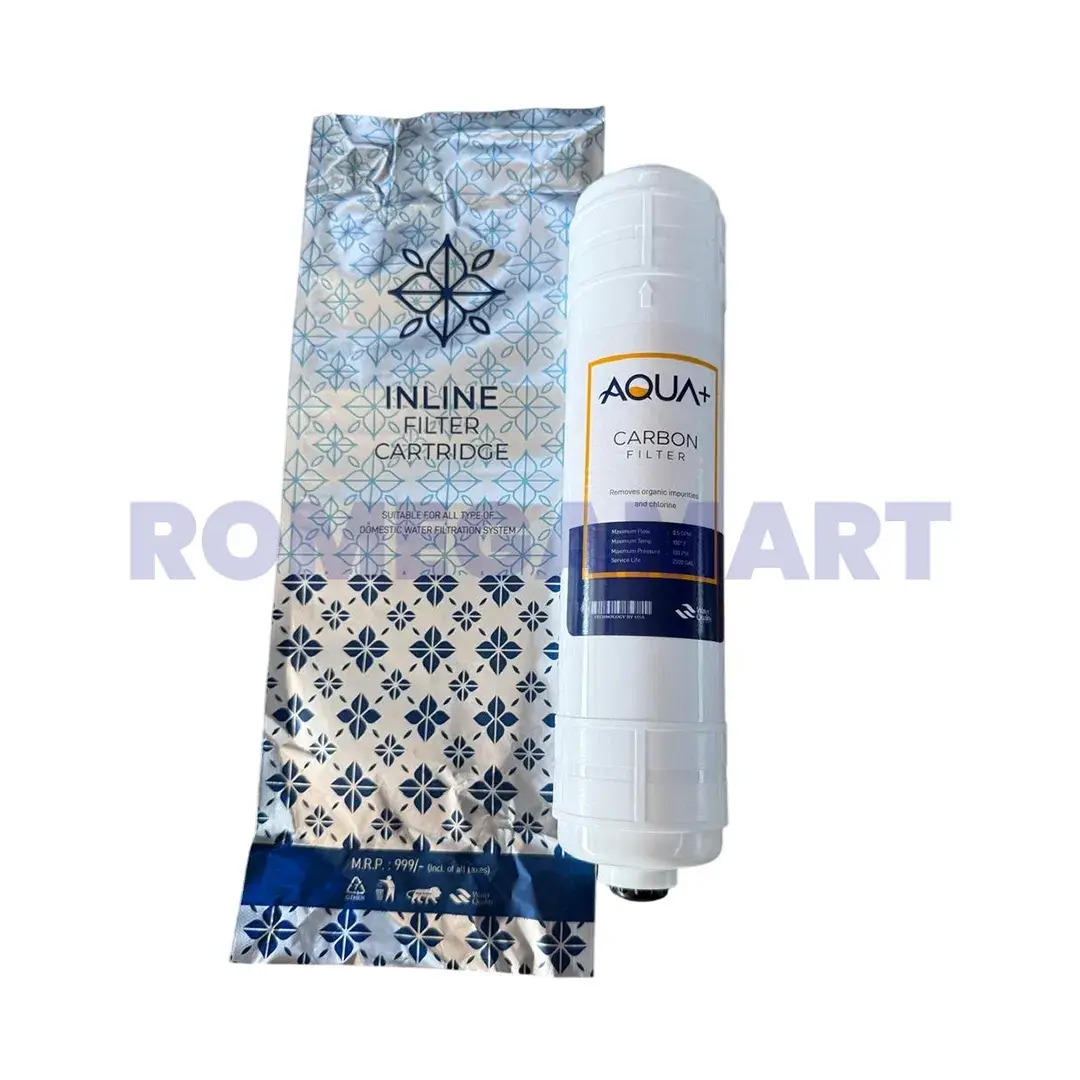
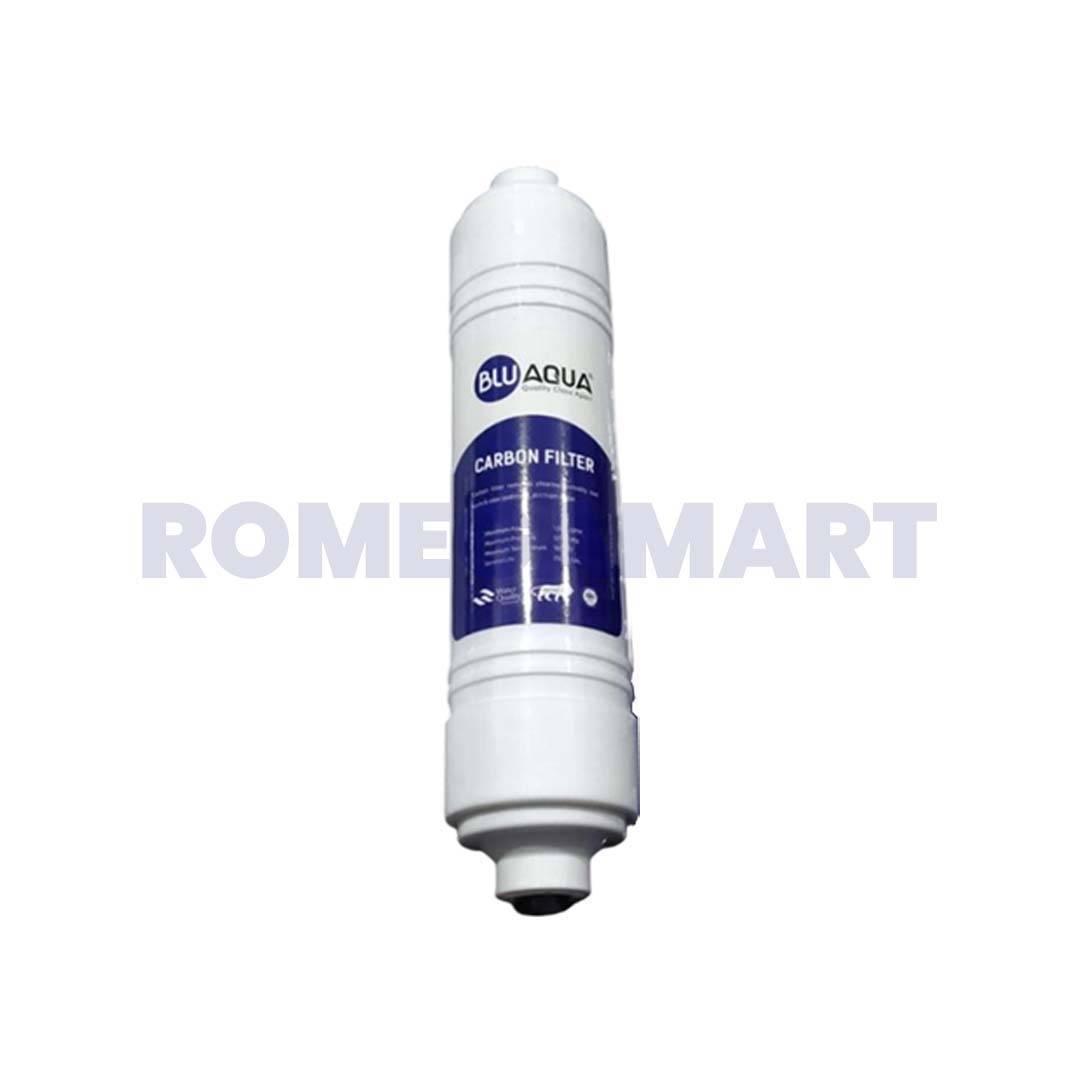
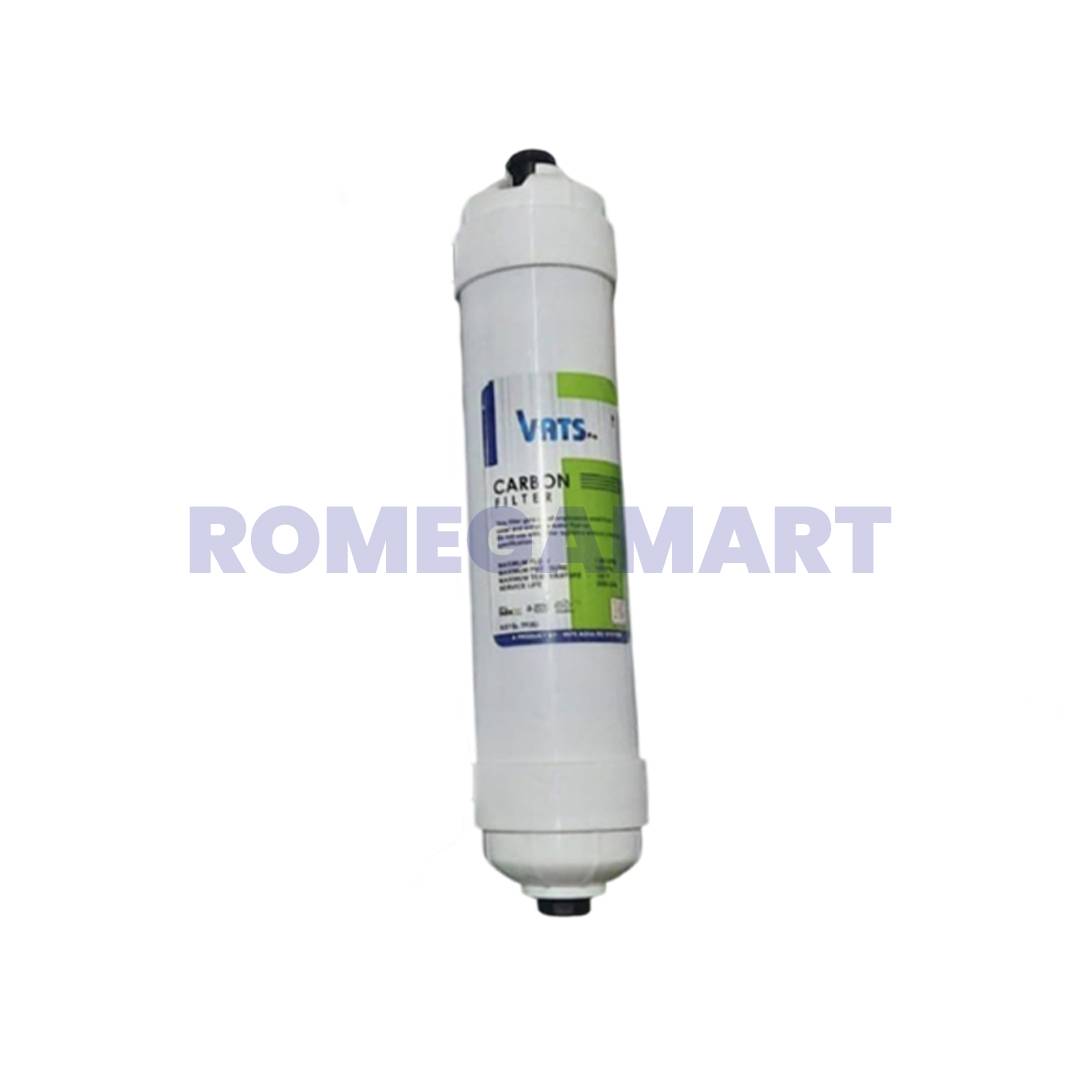


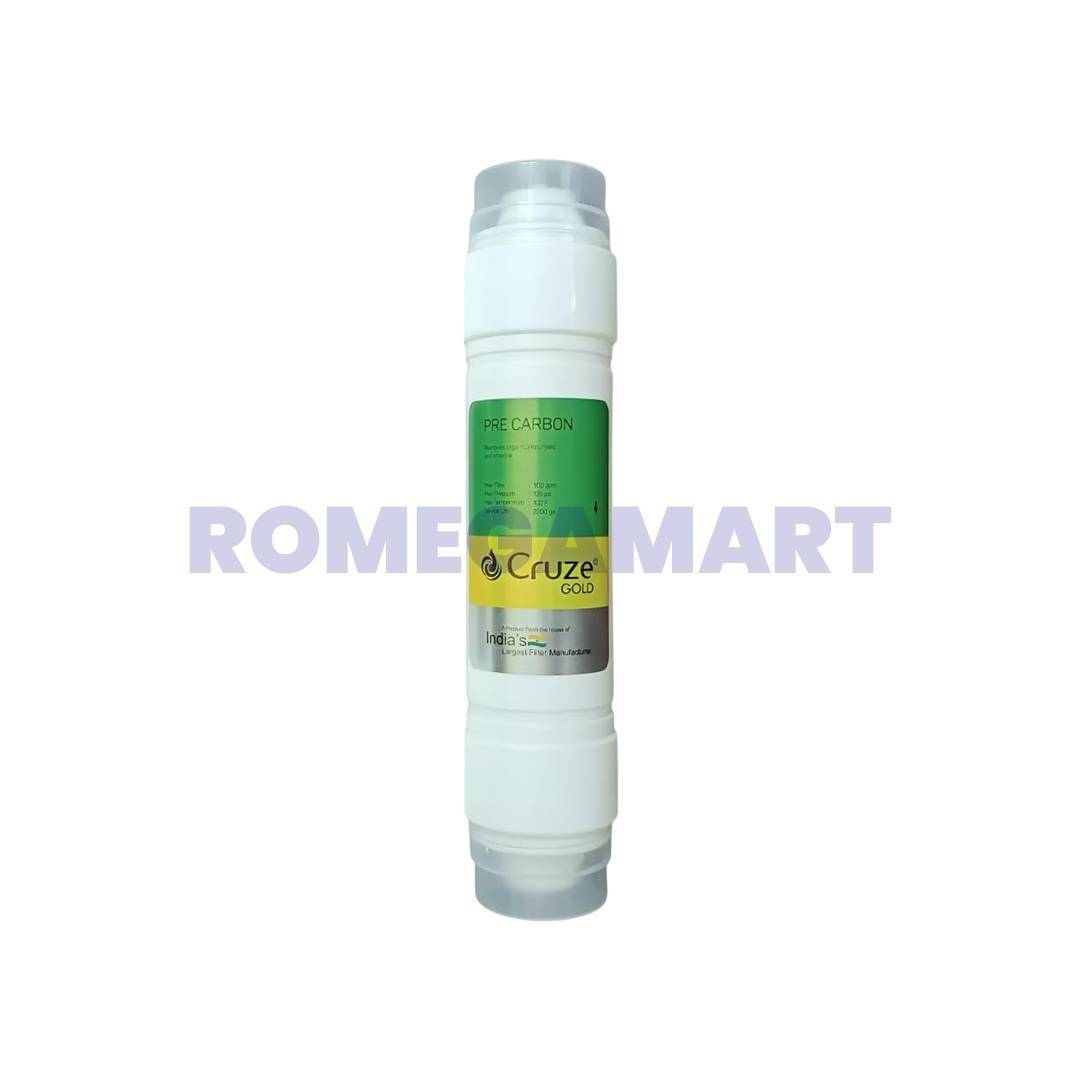


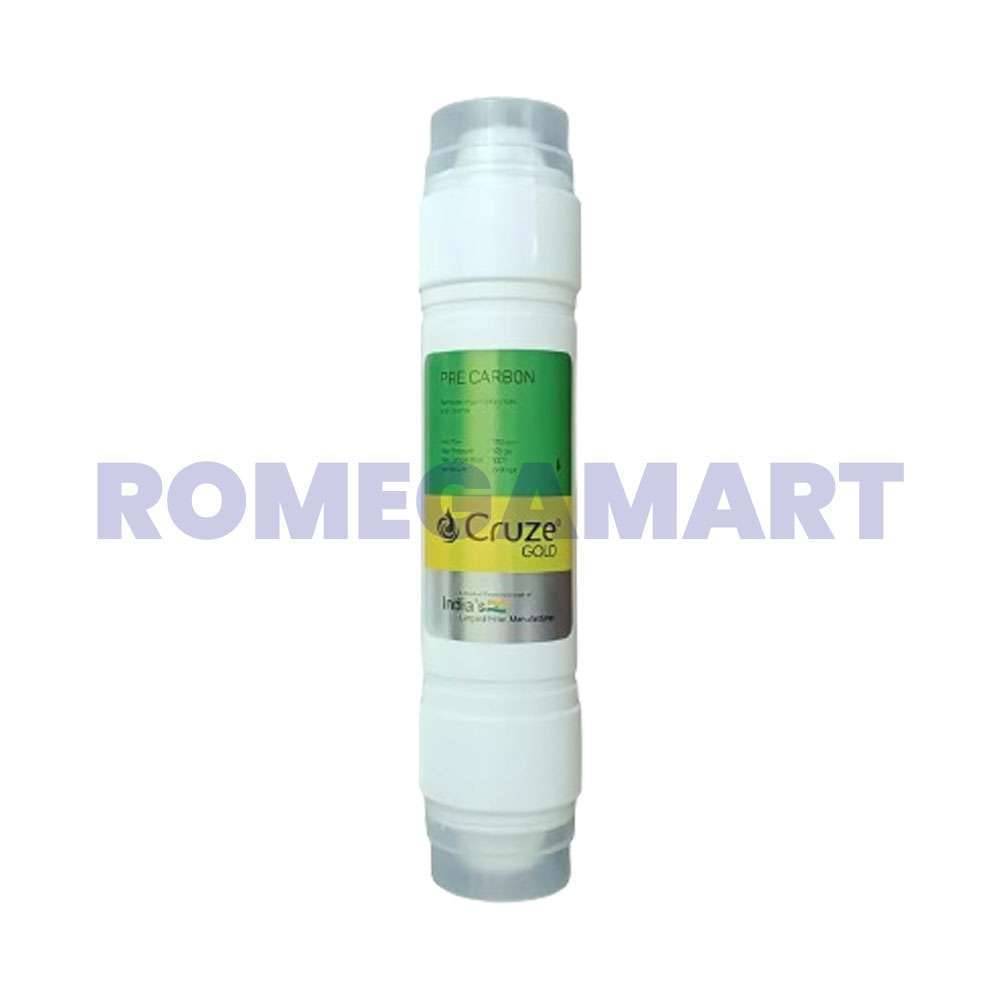

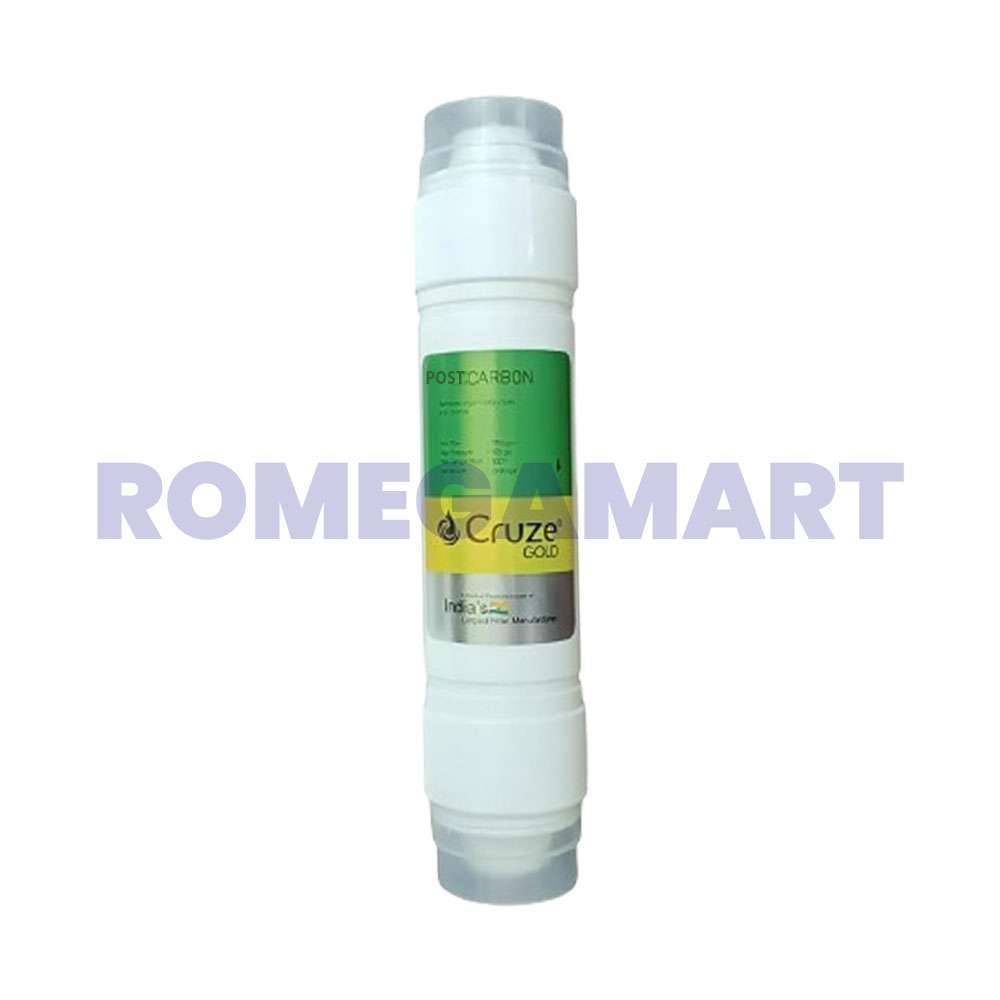
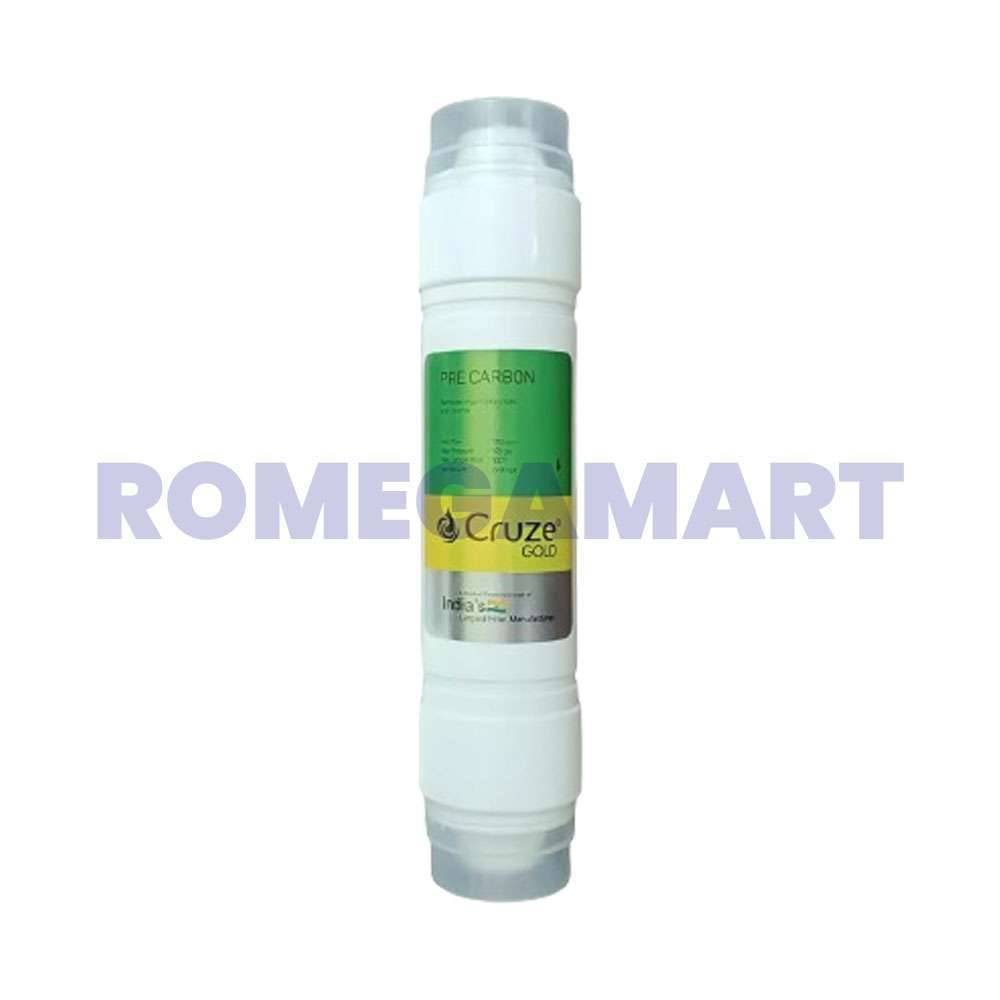


Carbon Filter for RO Water Purifier
A carbon filter is an important component of a domestic RO water purifier. It helps improve water quality by reducing chlorine, unpleasant odours and certain organic compounds that can affect the taste of drinking water. It also plays an important role in protecting the RO membrane from chlorine exposure in purifier systems that use carbon pretreatment.
If your RO purifier produces water with an unusual taste or smell, or you need to replace an existing carbon cartridge, choosing the correct filter is essential. At RO Service & Sales, you can explore carbon filters and other domestic RO spare parts for water purifier maintenance, repair and replacement requirements.
What Is a Carbon Filter in an RO Water Purifier?
A carbon filter is a filtration component that uses activated carbon to adsorb certain unwanted substances from water. Activated carbon has a porous structure that provides a large surface area for trapping selected contaminants on its surface.
In domestic RO systems, carbon filtration is commonly used to reduce chlorine, improve taste and control unpleasant odours. Its performance depends on the carbon quality, cartridge design, contact time, water conditions and filter capacity.
Carbon filters are generally installed at different stages of an RO purification system, depending on the purifier's design.
How Does an Activated Carbon Filter Work?
An activated carbon filter works through a process called adsorption. As water passes through the carbon media, certain chemicals and compounds attach to the carbon surface.
The filtration process helps with:
-
Chlorine reduction: Helps remove chlorine from incoming water when the filter is designed for this purpose.
-
Taste improvement: Reduces certain substances responsible for unpleasant drinking water taste.
-
Odour control: Helps control unwanted smells caused by chlorine and selected organic compounds.
-
Membrane protection: A suitable pre-carbon filter helps protect chlorine-sensitive RO membranes.
-
Additional filtration: Provides a treatment stage alongside sediment filtration and reverse osmosis.
It is important to understand that an activated carbon filter does not remove every dissolved impurity. It is not a replacement for an RO membrane or a complete water purification system.
Types of Carbon Filters Used in Domestic RO Systems
Different RO purifiers use different carbon filter configurations. Understanding their purpose helps you select a suitable replacement.
1. Pre-Carbon Filter
A pre-carbon filter is installed before the RO membrane in many domestic RO systems. Its main purpose is to reduce chlorine and certain organic substances before water reaches the membrane.
It is particularly important in systems where the RO membrane is sensitive to chlorine exposure.
2. Post-Carbon Filter
A post-carbon filter is generally installed after the RO membrane and storage tank, depending on the purifier design. It is commonly used as a final taste-conditioning stage before water reaches the dispensing tap.
It helps improve the taste and odour of purified drinking water.
3. Carbon Block Filter
A carbon block filter contains activated carbon compressed into a solid block. It provides a defined filtration structure and may help reduce selected contaminants, depending on its media, micron rating and certification.
Carbon block filters are available in different designs and sizes for compatible water purification systems.
Benefits of Using a Carbon Filter for RO Water Purifier
A properly selected activated carbon filter supports the overall performance of a domestic water purifier.
Better Drinking Water Taste
Chlorine and certain organic compounds can affect the taste of drinking water. Carbon filtration helps reduce these substances and improve the drinking experience.
Reduction of Unpleasant Odours
An activated carbon cartridge helps control unwanted smells caused by substances that it is designed to adsorb.
Protection for RO Membranes
Chlorine can damage certain types of RO membranes. Installing a suitable pre-carbon filter helps reduce chlorine exposure and supports membrane protection.
Support for Multi-Stage Filtration
Carbon filtration works alongside sediment filters, RO membranes and other purification components to provide multiple treatment stages.
Suitable for Different Domestic RO Applications
Carbon filters are used in various household water purifiers, including compatible under-sink and wall-mounted RO systems.
When Should You Replace an RO Carbon Filter?
A carbon filter gradually loses its adsorption capacity as it treats water. Even if the cartridge looks clean from outside, its ability to reduce chlorine and other target substances may decrease over time.
Consider checking or replacing the carbon filter when:
-
Water develops an unusual taste or smell.
-
The recommended filter replacement period has been reached.
-
Chlorine breakthrough is detected in a system using carbon pretreatment.
-
The purifier manufacturer recommends replacement during routine servicing.
-
The filter has been exposed to excessive contamination or unsuitable storage conditions.
The replacement schedule depends on water quality, daily usage, cartridge capacity and manufacturer recommendations. Do not rely only on appearance to judge whether a carbon filter is working properly.
How to Choose the Right Carbon Filter for Your RO System
Selecting a compatible carbon filter is important for proper installation and filtration performance. Check these points before purchasing:
1. Filter Type: Identify whether your purifier requires a pre-carbon, post-carbon or carbon block filter.
2. Size and Dimensions: Check the cartridge length, diameter and housing arrangement.
3. Connection Type: Confirm the inlet and outlet connections, fittings and installation configuration.
4. Carbon Media: Check whether the cartridge uses activated carbon and review the available product information.
5. Purifier Compatibility: Match the replacement filter with your purifier model and existing filtration arrangement.
6. Replacement Requirements: Consider the manufacturer's recommended replacement schedule and the quality of incoming water.
If you are unsure which carbon cartridge your purifier needs, consult a qualified RO technician before ordering.
Carbon Filter vs Sediment Filter: What Is the Difference?
Both filters are used in domestic RO systems, but they perform different functions.
| Comparison | Carbon Filter | Sediment Filter |
|---|---|---|
| Main purpose | Chemical adsorption | Physical particle filtration |
| Common target | Chlorine, selected organic compounds | Dust, sand, rust and suspended particles |
| Filtration method | Adsorption | Mechanical filtration |
| Main benefit | Helps improve taste and odour | Helps protect downstream components |
| Typical application | Pre-carbon and post-carbon stages | Initial filtration stage |
These filters complement each other and are not interchangeable. The correct combination depends on the purifier's design and incoming water conditions.
Applications of Activated Carbon Filters
Activated carbon filters are used in different water treatment applications, including:
-
Domestic RO water purifiers.
-
Household drinking water filtration systems.
-
Under-sink water purification units.
-
Wall-mounted RO water purifiers.
-
Selected commercial water filtration systems.
-
Water treatment systems requiring chlorine and taste-and-odour reduction.
Always select a filter designed for the specific equipment and application.
Why Choose RO Service & Sales for Carbon Filters?
RO Service & Sales provides a dedicated platform for exploring domestic RO spare parts and water purifier components.
Customers can explore different categories according to their maintenance and replacement requirements.
What You Can Explore:
-
Carbon filters for compatible domestic RO systems.
-
RO filter cartridges and replacement components.
-
Domestic RO pumps and membranes.
-
Filter housings and other purifier accessories.
-
Additional RO spare parts for technicians and service professionals.
Why Explore RO Service & Sales?
-
Dedicated categories for domestic RO spare parts.
-
Product listings with available specifications and details.
-
Options for household customers, RO dealers and technicians.
-
Access to related water purifier components.
-
RO service and maintenance information.
Check the individual product listing for current price, availability and specifications before purchasing.
Explore More Domestic RO Spare Parts
Along with carbon filters, you can explore other components required for domestic water purifier maintenance.
-
RO Pumps: Explore domestic RO booster pumps for compatible RO systems.
-
RO Filters: Browse RO filters and replacement cartridges for different filtration requirements.
-
Domestic RO Spare Parts: Visit the complete domestic RO spare parts category to explore membranes, pumps, cartridges, housings and other components.
Frequently Asked Questions About Carbon Filters
1. What is the main purpose of a carbon filter in an RO purifier?
The main purpose of a carbon filter is to reduce chlorine, certain organic compounds and substances responsible for unpleasant taste and odour. It also helps protect chlorine-sensitive RO membranes when installed as a suitable pre-filter.
2. Is an activated carbon filter necessary for an RO water purifier?
Many domestic RO systems use activated carbon filters as part of their multi-stage filtration process. The exact requirement depends on the purifier design, incoming water quality and membrane specifications.
3. What is the difference between a pre-carbon and post-carbon filter?
A pre-carbon filter treats water before it reaches the RO membrane and helps reduce chlorine exposure. A post-carbon filter is generally installed near the final dispensing stage to improve the taste and odour of purified water.
4. How often should an RO carbon filter be changed?
The replacement frequency depends on water quality, daily consumption, cartridge capacity and manufacturer recommendations. Follow the recommended maintenance schedule and check filter performance during routine servicing.
5. Does a carbon filter remove TDS from water?
No. A standard activated carbon filter is not designed to remove dissolved salts and significantly reduce TDS. The RO membrane is responsible for reducing many dissolved substances through reverse osmosis.
6. Can I use the same carbon filter in every RO water purifier?
No. Carbon filters differ in size, design, connections and filtration specifications. Always check your purifier model and existing cartridge details before selecting a replacement.
7. What happens if I do not replace my RO carbon filter?
An exhausted carbon filter may lose its ability to reduce chlorine, taste and odour-related substances effectively. In systems using carbon pretreatment, chlorine breakthrough may also expose a chlorine-sensitive RO membrane to damage.
Conclusion
A carbon filter plays an important role in domestic RO water purification by helping reduce chlorine, unpleasant odours and selected organic compounds. From pre-carbon cartridges to post-carbon and carbon block filters, each type serves a specific purpose in the purification process.
Choosing the correct activated carbon filter according to your purifier model, filtration stage and replacement requirements helps maintain effective system operation. Explore the available carbon filter options at RO Service & Sales and check product specifications before purchasing.




OTP Verified