

Finding a suitable drinking water solution for an office, hotel, hospital, factory or commercial space involves more than choosing a water cooler. The water should meet the site's purification requirements, while the cooling capacity and dispensing arrangement should suit the number of people using it.
A cooling RO system combines the concept of water purification and chilled drinking water in a single solution when the selected model supports both functions. It can be useful for workplaces and commercial environments where people need access to drinking water throughout the day.
At RO Service & Sales, customers can explore water treatment and cooling-related solutions according to their requirements. Whether you are looking for a cooling RO water purifier, a commercial water cooler machine or guidance on selecting equipment for your premises, understanding the available options can help you make a better purchasing decision.
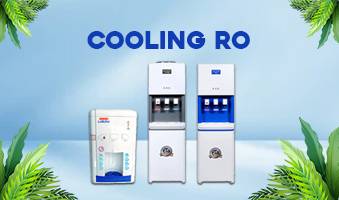
A cooling RO system is a water purification and dispensing solution designed to provide purified, chilled drinking water. Depending on the model, the equipment may incorporate a reverse osmosis (RO) purification unit, a cooling mechanism, a storage tank and one or more dispensing points.
Reverse osmosis uses a semipermeable membrane to reduce many dissolved substances in water. Cooling equipment lowers the water temperature to provide chilled drinking water. These are separate functions, and their availability depends on the product configuration.
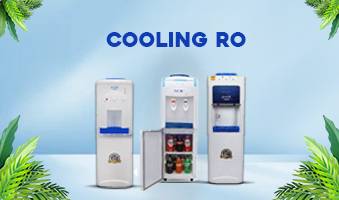
A conventional water cooler may provide chilled water without RO purification. A cooling RO machine is different when it includes both purification and cooling functions.
Before purchasing, check whether the selected model includes an RO purifier, a cooling unit, storage, dispensing taps and the other features your application requires.
Although the terms are sometimes used interchangeably, a cooling RO system and a conventional water cooler do not necessarily perform the same job.
|
Feature |
Cooling RO system |
Conventional water cooler |
|---|---|---|
|
Main purpose |
Purification and cooling, if both functions are included |
Cooling and dispensing water |
|
Water purification |
Depends on the included filtration system |
May require a separate purifier |
|
Cooling function |
Depends on the selected model |
Usually the primary function |
|
Water source |
Depends on the model and installation |
Depends on the equipment design |
|
Suitable applications |
Sites needing both purification and cooling |
Sites needing chilled water from an appropriate water source |
Which option should you choose?
Choose a cooling RO model if your water quality assessment indicates that RO treatment is appropriate and you also require chilled water. A conventional water cooler may be sufficient if the water is already adequately treated and only cooling is required.
The correct choice depends on the incoming water quality, daily consumption, available installation space and maintenance requirements.
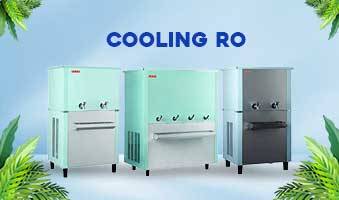
A cooling RO water purifier or compatible water cooler machine can be considered for several commercial applications.
Offices need convenient access to drinking water for employees and visitors. Select equipment according to staff strength, peak usage, available space and the expected demand for chilled water.
Hospitality environments may require a dependable drinking water arrangement for staff and guests. The right equipment depends on service volume, water quality, hygiene requirements and operating hours.
Hospitals need careful attention to drinking water quality, hygiene and equipment maintenance. A cooling RO system should be selected only after assessing the required water quality and the facility's applicable standards.
Factories may need drinking water stations for workers across different areas. Equipment selection should account for the number of users, operating conditions, water source and access to maintenance.
Educational institutions and shared facilities can evaluate cooling RO equipment based on student or visitor numbers, daily water demand and the number of dispensing points needed.
For every application, confirm the product's actual purification capabilities, cooling performance and suitability before installation.
The best cooling RO machine is not necessarily the one with the lowest purchase price. It is the one that meets your water quality, consumption and operational requirements.
Consider the following factors before making a decision.
Test the source water before deciding whether RO treatment is necessary. Depending on the source, testing may include TDS, hardness, pH and other relevant contaminants.
TDS alone does not establish whether water is safe to drink. Use appropriate water testing and select treatment based on the results.
Calculate how much drinking water people are likely to use during normal and peak hours. A small office and a busy factory may have very different requirements.
Ask the supplier to clarify the model's storage capacity, dispensing rate and cooling performance rather than relying on the product name alone.
Check the product documentation for:
RO membrane and filtration configuration, where applicable
Water storage capacity
Cooling capacity and rated operating conditions
Number and type of dispensing points
Electrical requirements
Installation dimensions and ventilation needs
Specifications vary between models. Confirm these details before placing an order.
RO systems may require filter and membrane replacement, depending on the design and water quality. Cooling equipment may also need periodic inspection and cleaning.
Before purchasing, ask about the recommended maintenance schedule, availability of compatible spare parts and the service support available for the selected model.
The initial water cooler price is only one part of the overall expense. Consider installation, electricity consumption, filter replacement, servicing and other applicable operating costs.
A product with a lower upfront cost may not be the most suitable option for long-term use if its capacity or maintenance requirements do not match your needs.
The water cooler price varies according to the equipment type, capacity, features and intended application. Cooling RO products should not be compared with conventional water coolers without checking which functions are included.
Common factors affecting the price include:
Purification system: An RO unit, additional filtration stages and associated components can affect the overall cost.
Cooling capacity: The equipment's ability to cool water at the required demand level influences product selection and pricing.
Storage capacity: Tank size and dispensing arrangement may vary between models.
Construction and materials: The body, water-contact components and overall design can differ.
Installation requirements: Plumbing, electrical work and site preparation may add to the total cost.
After-sales support: Maintenance arrangements and spare-part availability are important when evaluating long-term value.
For an accurate quotation, share your intended application, approximate number of users, water source and required features. This makes it easier to identify a suitable product instead of comparing prices for equipment with different capabilities.
Note: No fixed price is listed here because a verified model-specific price list has not been provided. Confirm the current price, included accessories, warranty terms and installation charges with the supplier before purchasing.
Even a suitable water cooler machine may require maintenance over time. Recognising common symptoms helps users seek the right support.
|
Problem |
Possible reason |
Recommended action |
|---|---|---|
|
Water is not cooling properly |
Cooling system fault, ventilation issue or heavy demand |
Arrange an inspection and check the manufacturer's operating instructions |
|
Water flow is low |
Clogged filters, low inlet pressure or a component issue |
Check the water supply and arrange filter or system inspection |
|
Unusual taste or odour |
Filter condition, source water quality or inadequate cleaning |
Assess water quality and inspect the filtration system |
|
Water leakage |
Loose connection, damaged seal or component fault |
Shut off the water supply if safe and arrange repair |
|
Equipment stops operating |
Electrical or mechanical fault |
Disconnect power if there is a safety concern and contact a qualified technician |
Avoid opening electrical or refrigeration components without appropriate training. Follow the manufacturer's maintenance instructions and use qualified service support when required.
RO Service & Sales provides a platform for customers seeking RO-related products and service solutions, including commercial and industrial water treatment support.
Customers can consider the following points when enquiring about a cooling RO machine or related equipment:
Product-focused enquiries: Explain your requirements to identify an appropriate product category or configuration.
Installation and repair support: Explore the available service options for relevant RO equipment.
Commercial and industrial applications: Discuss the water treatment requirements of workplaces and operating facilities.
Maintenance guidance: Ask about inspection, servicing and replacement requirements for the equipment under consideration.
The right solution depends on the product and the service available for your location. Confirm current stock, model specifications, pricing, warranty conditions, technician availability and service coverage before making a purchase or booking.
For customers who need broader water treatment support, explore the RO Service & Sales website.
Depending on your requirements, these related pages may also be useful:
Commercial RO Service for Repair, Installation and Maintenance — for businesses seeking commercial RO equipment servicing.
Industrial RO Plant Service — for industrial water treatment plant maintenance and repair requirements.
Industrial RO Systems — for customers exploring industrial water purification equipment.
Commercial RO Systems — for commercial water purification applications.
These links help visitors move from product research to the relevant equipment or service page without confusing a cooling RO product enquiry with a plant servicing requirement.
A cooling RO water purifier is a system designed to provide purified and chilled drinking water when RO purification and cooling are both included in the selected model. Always verify the product's actual configuration.
A conventional water cooler mainly cools and dispenses water. A cooling RO model includes an RO purification system as well, provided both functions are part of its design.
The price depends on the product type, purification features, cooling capacity, storage, materials and installation requirements. Request a current quotation for the exact model to compare prices accurately.
It can be suitable when the model's purification capability, cooling performance and dispensing capacity match the site's requirements. Assess water quality and expected consumption before selecting equipment.
Yes. Maintenance requirements depend on the model and incoming water quality. An RO-equipped system may require filter and membrane servicing, while its cooling components may need separate inspection.
Yes, provided the incoming water is already suitable for drinking and meets the applicable water quality requirements. A water cooler does not automatically make unsafe water safe to drink.
Start by assessing the source water, daily consumption, peak demand, required cooling performance, installation space and maintenance arrangements. Then compare compatible models and request a quotation based on the verified specifications.
Looking for a cooling RO machine or a water cooler for your office, hotel, hospital, factory or commercial premises?
Before choosing a model, identify your water source, approximate daily consumption and need for chilled water. These details help narrow down the suitable equipment and clarify the total cost.
Contact RO Service & Sales to enquire about cooling RO products, request a quotation and discuss the relevant installation or service requirements. Confirm product availability, technical specifications and service coverage before proceeding.
A cooling RO system can be a practical choice for locations that require both water purification and chilled drinking water. However, the right choice depends on the quality of the incoming water, daily demand, cooling requirements and the maintenance support available.
When comparing a cooling RO water purifier with a conventional water cooler machine, look beyond the initial water cooler price. Verify the included features, operating requirements and long-term servicing needs.
RO Service & Sales helps customers explore RO-related products and service options for commercial and industrial applications. Review your requirements, compare suitable equipment and enquire about a solution that fits your premises.

OTP Verified