Water Purifier Service | RO Repair
Premium Service Package
Select Service Type
Choose your package

Membrane & Filter Replacement
- RO membrane replacement
- Pre filter replacement
- Cartridge filter replacement
Breakdown & Emergency Repair
- RO plant not producing water
- Low flow / high TDS problem
- High pressure pump failure
- PLC / control panel fault
- Valve, sensor, solenoid issues
- Leakage & piping burst issues
Chemical Services
- Antiscalant dosing & supply
- Membrane cleaning chemicals (CIP)
- Disinfection & sanitization
- Chemical consumption audit
- Chemical optimization (cost saving)
Installation & Commissioning Services
- New Industrial RO / STP / ETP plant installation
- Piping, electrical & panel wiring
- Trial run & performance testing
- Operator training (basic operation & safety)
Preventive Maintenance / AMC Services
- Monthly / Quarterly / Annual AMC
- Filter & membrane health check
- Pressure, flow & TDS monitoring
- Chemical dosing system checking
- Cleaning of tanks & vessels
- Breakdown-free operation assurance
Your Cart
Ready to checkout
Your cart is empty
Add some items to get started
400 LPH RO Service – Industrial RO Plant Repair & Maintenance
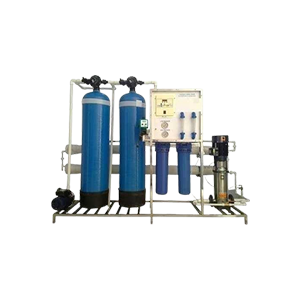
A 400 LPH RO plant is suitable for commercial, institutional and industrial applications where a regular supply of purified water is required. Continuous operation of an RO plant depends on the condition of its membrane, pump, filters, pressure system, electrical controls and other components.
Our 400 LPH RO Service provides support for RO plant installation, repair, preventive maintenance, troubleshooting and AMC requirements. If your plant is experiencing low production, unusual pressure, water leakage, poor purification, pump issues or frequent shutdowns, timely inspection can help identify the underlying problem.
For urgent service requirements, you can request a service visit within 2 hours, subject to service-area availability.
Book 400 LPH RO Service:
www.roservice.romegamart.com
400 LPH Industrial RO Service
A 400 LPH RO system contains multiple components that work together to produce treated water. Regular servicing helps monitor these components and detect changes in plant performance.
A professional service inspection may cover:
-
RO membrane condition
-
High-pressure pump
-
Sediment and carbon filtration
-
Micron filters
-
Membrane housing
-
Pressure gauges
-
Flow-control components
-
Solenoid and other valves
-
Electrical control panel
-
Piping and fittings
-
Water inlet and outlet connections
-
Reject-water flow
-
Product-water flow
-
TDS and other applicable water parameters
The exact service requirements depend on the plant configuration, feed-water quality, operating hours and usage.
400 LPH RO Plant Repair
When an RO plant does not perform as expected, repairing the visible symptom without identifying the actual cause may not resolve the issue. A proper inspection helps determine which part of the system requires attention.
Our 400 LPH RO repair service can address different operational concerns, including:
Reduced Water Production
Low permeate flow can be associated with membrane fouling, clogged pre-filters, insufficient operating pressure, temperature changes or flow restrictions. The system can be inspected to determine the possible cause.
Poor Water Quality
Changes in treated-water TDS or purification performance may require checking the membrane, feed-water conditions, pressure and other operating parameters.
High Reject Water
Unusual reject-water flow can indicate flow-control or operating issues. Inspection can help identify whether the problem is related to the membrane system or associated components.
Pump Performance Issues
A high-pressure pump that produces insufficient pressure or operates with unusual noise may require inspection, servicing or replacement of a component.
Leakage From RO Components
Leaks can occur around pipe joints, fittings, housings, valves and other connections. Prompt inspection can help prevent unnecessary water loss and equipment damage.
Electrical Problems
Control panels, switches, wiring, sensors and other electrical components can influence RO plant operation. Troubleshooting helps identify electrical or control-related faults.
400 LPH RO Installation Service
Correct installation is important for the safe and reliable operation of a 400 LPH RO plant. Installation requirements can vary depending on the equipment design and site conditions.
Our 400 LPH RO installation service can include:
-
RO plant positioning
-
Feed-water connection
-
Product-water connection
-
Reject-water pipeline connection
-
Pump and pressure setup
-
Filter and membrane installation checks
-
Electrical connection inspection
-
Pipeline and fitting checks
-
Initial system testing
-
Water-flow verification
-
Basic operating parameter checks
The installation should be followed by system testing to ensure that the plant is functioning according to its intended operating requirements.
400 LPH RO Maintenance Service
Preventive maintenance allows the condition of an RO plant to be monitored before a component failure causes extended downtime.
Regular 400 LPH RO maintenance can include:
-
Pre-filter inspection
-
Membrane performance monitoring
-
Pump inspection
-
Pressure checking
-
Flow-rate checking
-
Leakage inspection
-
Valve and fitting inspection
-
Electrical panel checking
-
Water-quality monitoring
-
Cleaning or replacement recommendations where required
Maintenance intervals should be planned according to water quality, operating hours, plant usage and manufacturer recommendations.
400 LPH RO AMC Service
Businesses that depend on their RO plant for regular water production may consider an Annual Maintenance Contract (AMC) for scheduled servicing.
A 400 LPH RO AMC can support:
-
Periodic plant inspection
-
Preventive maintenance
-
Pump and membrane monitoring
-
Filter-condition checks
-
Pressure and flow inspection
-
Leakage checks
-
Troubleshooting support
-
Maintenance planning
-
Identification of components requiring attention
An AMC schedule can be structured according to the operating conditions and maintenance requirements of the RO plant.
Common 400 LPH RO Plant Issues
A 400 LPH RO system may require professional service when you notice:
-
Reduced treated-water output
-
High product-water TDS
-
Excessive reject-water flow
-
Low operating pressure
-
Pump not starting
-
Unusual pump vibration or noise
-
Frequent filter blockage
-
Membrane fouling
-
Pipeline leakage
-
Pressure switch problems
-
Electrical control issues
-
Irregular water flow
-
Frequent plant shutdown
-
Inconsistent purification performance
Timely diagnosis can help determine whether the issue requires cleaning, adjustment, repair or component replacement.
2 Hours RO Service Visit
Unexpected RO plant problems can interrupt production and affect businesses that depend on treated water. Quick service access can help reduce the waiting period when an inspection is required.
For a 400 LPH RO service requirement, you can request a technician visit within 2 hours, subject to service-area availability and applicable service conditions.
The service visit can be requested for:
-
RO plant repair
-
Preventive maintenance
-
Installation support
-
Troubleshooting
-
Pump-related issues
-
Filter and membrane inspection
-
Leakage and pressure problems
Where 400 LPH RO Plants Are Used
A 400 LPH RO plant can be used in locations where a regular volume of purified water is required, including:
-
Hotels
-
Restaurants
-
Hospitals
-
Schools
-
Colleges
-
Hostels
-
Offices
-
Manufacturing units
-
Commercial facilities
-
Institutional establishments
-
Water treatment facilities
The required service approach depends on the plant configuration and the specific application.
400 LPH RO Service Process
Step 1: Submit a Service Request
Provide information about your RO plant and describe the issue or service requirement.
Step 2: Technician Visit
A technician visits the site to inspect the plant and understand the operating problem.
Step 3: System Diagnosis
The relevant components are checked based on the reported symptoms and plant operating conditions.
Step 4: Service Recommendation
The required maintenance, repair, adjustment or component replacement is identified.
Step 5: Repair or Maintenance
The necessary service work is performed according to the condition of the RO plant.
Step 6: Operational Testing
The plant is tested after servicing to check water flow, pressure and other applicable operating parameters.
Why Schedule Regular 400 LPH RO Maintenance?
An RO plant works continuously through several filtration, pressure and control stages. Regular maintenance helps keep these stages under observation and can identify abnormal performance before it develops into a larger operational problem.
Scheduled maintenance can help with:
-
Early identification of component issues
-
Better monitoring of membrane performance
-
Pump-condition assessment
-
Filter replacement planning
-
Leakage detection
-
Reduced unexpected interruptions
-
Better maintenance budgeting
-
Consistent plant monitoring
400 LPH RO Service Near Me
If you are searching for 400 LPH RO service near me, professional service support can help with installation, repair, maintenance and troubleshooting requirements.
Instead of waiting until the plant stops completely, consider arranging an inspection when you notice changes in output, pressure, water quality or equipment performance.
Find RO Service Support:
www.roservice.romegamart.com
Frequently Asked Questions
What is a 400 LPH RO plant?
A 400 LPH RO plant is a reverse osmosis water treatment system designed to produce approximately 400 litres of treated water per hour under specified operating conditions.
What does 400 LPH RO servicing include?
Service may include inspection and maintenance of the membrane, pump, filters, pressure system, valves, piping, electrical controls, flow system and relevant water-quality parameters.
Why is my 400 LPH RO plant producing less water?
Reduced output can have several possible causes, including membrane fouling, clogged filters, inadequate pressure, flow restrictions or changes in feed-water conditions. A system inspection is required to identify the specific cause.
How can I know if the RO membrane needs attention?
Changes in permeate flow, treated-water quality, operating pressure and overall membrane performance can indicate that the membrane requires inspection. Membrane condition should be evaluated based on operating data rather than appearance alone.
Does a 400 LPH RO plant require regular cleaning?
Cleaning requirements depend on feed-water quality, operating conditions and membrane performance. Preventive cleaning or maintenance should be carried out when required according to system conditions and applicable recommendations.
What should I do if the RO pump is making unusual noise?
Unusual pump noise should not be ignored. The pump, connections, pressure conditions and related components should be inspected to determine the cause before continued operation leads to further problems.
Can a 400 LPH RO plant be covered under AMC?
Yes. AMC service can provide scheduled inspections and preventive maintenance for a 400 LPH RO plant, depending on the selected service plan and requirements.
How quickly can a technician visit for 400 LPH RO service?
A service visit can be requested within 2 hours, subject to service-area availability and applicable service conditions.
Can RO service help with high TDS in treated water?
Yes. A technician can inspect the membrane system, operating pressure, feed-water conditions, flow controls and other relevant parameters to determine the possible reason for increased treated-water TDS.
When should I schedule maintenance for my 400 LPH RO plant?
Maintenance should be planned according to plant usage, feed-water quality, operating hours, component condition and manufacturer recommendations. It is also advisable to arrange an inspection when you observe changes in output, pressure or water quality.
Get Professional 400 LPH RO Service
A well-maintained RO plant can provide more consistent operation and help reduce unexpected service interruptions. Whether you need 400 LPH RO repair, installation, preventive maintenance, troubleshooting or AMC support, timely inspection can help identify the condition of the system and its major components.
If your RO plant is showing a performance issue, do not wait for a complete shutdown. Request professional service and arrange a 2-hour visit, subject to service-area availability.
Book 400 LPH RO Service:
www.roservice.romegamart.com




OTP Verified