









Solenoid Valve – Smart Water Flow Control for RO Water Purifiers
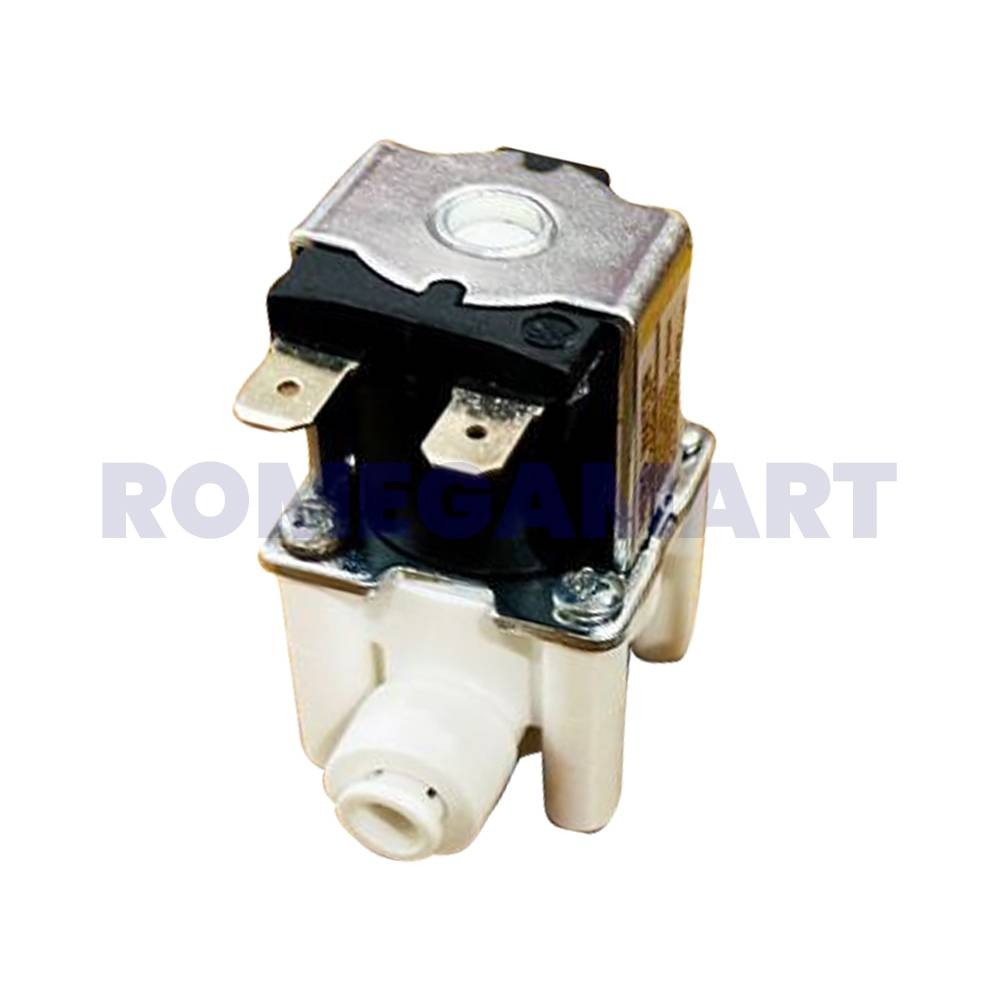
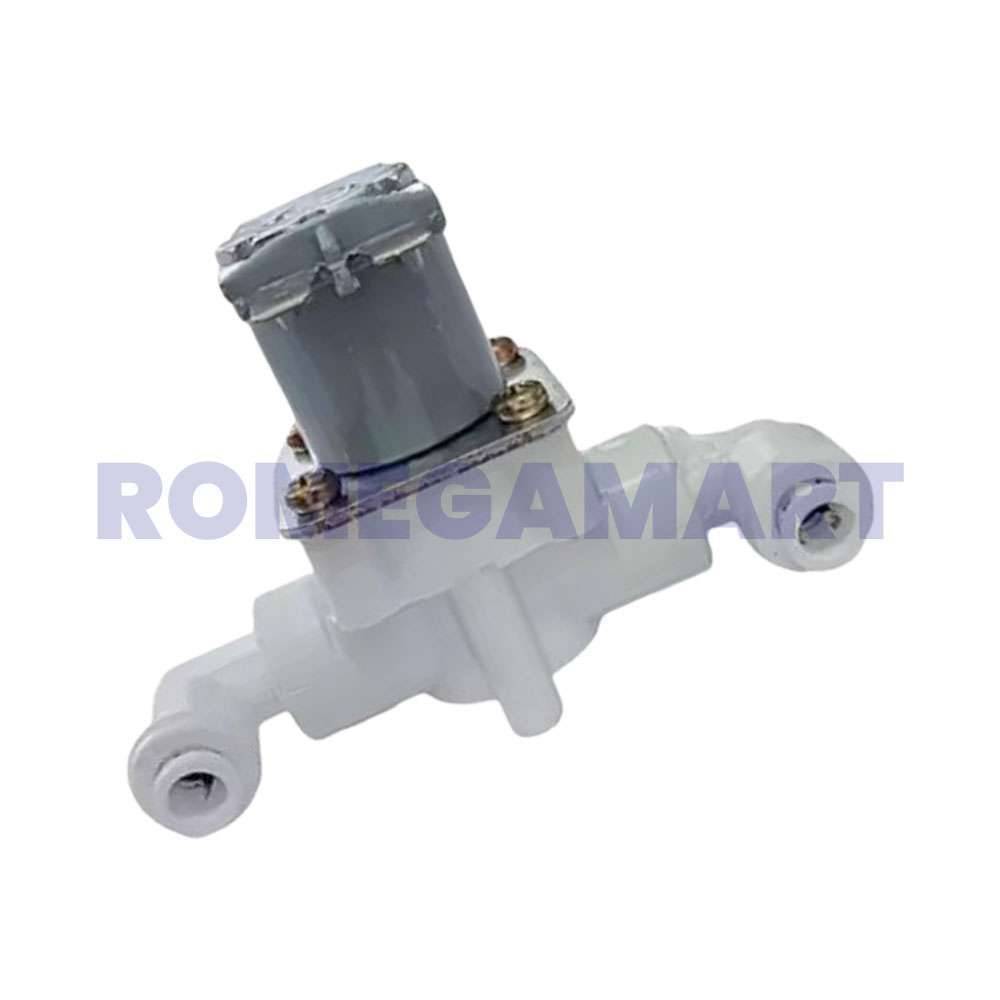
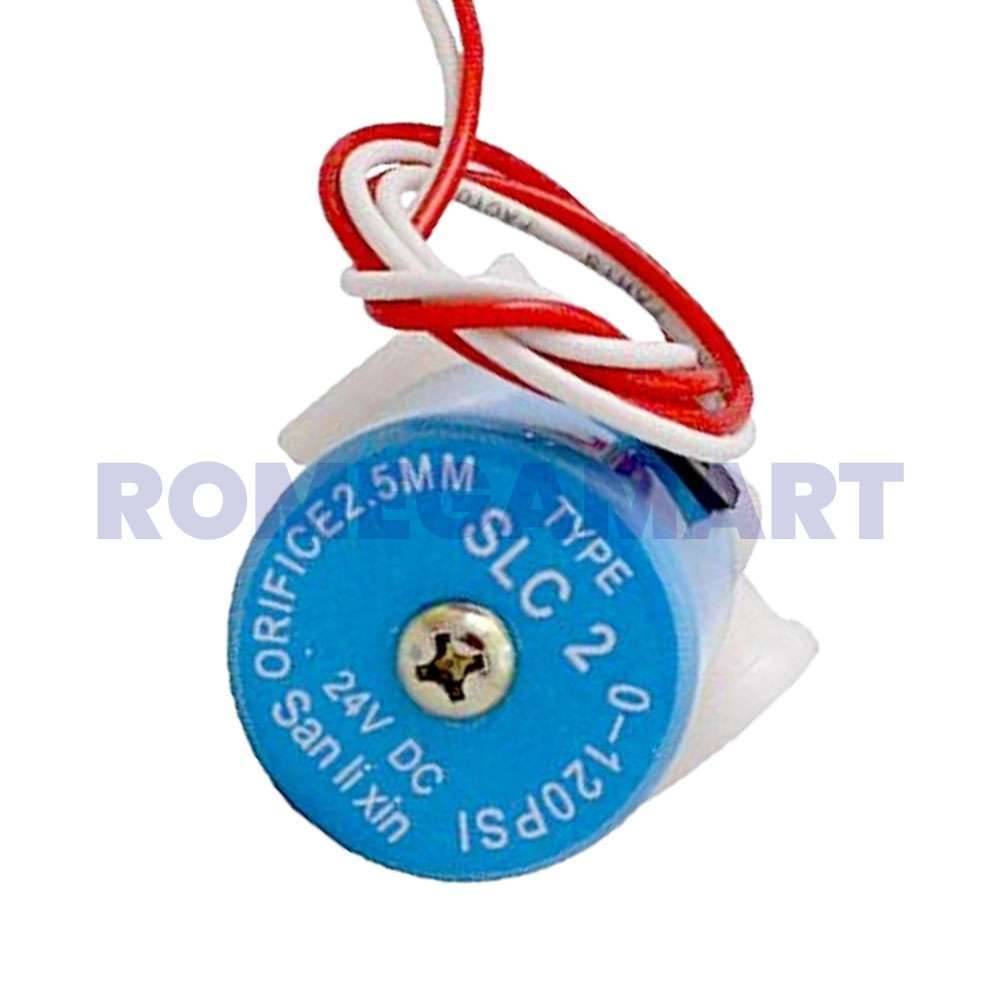
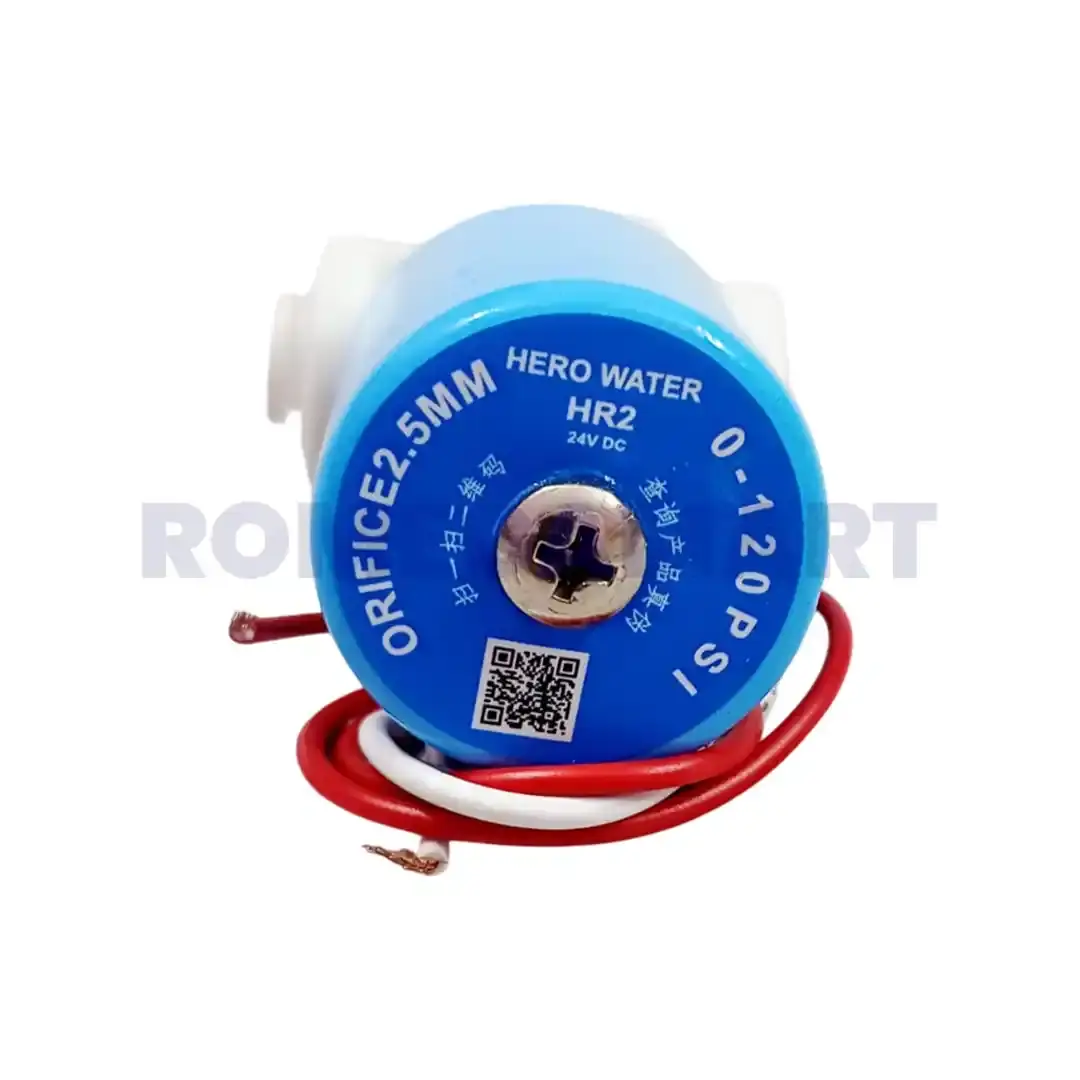
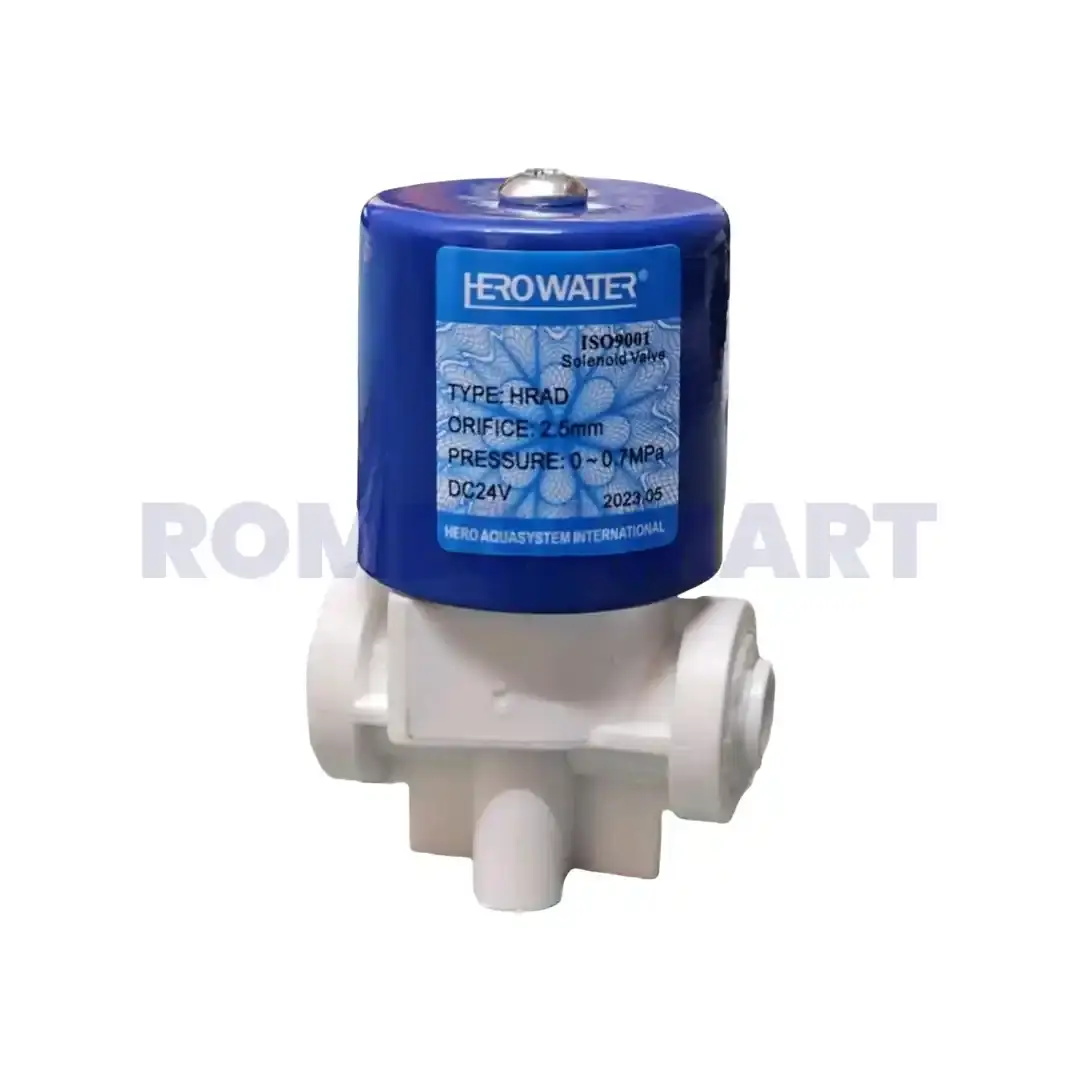
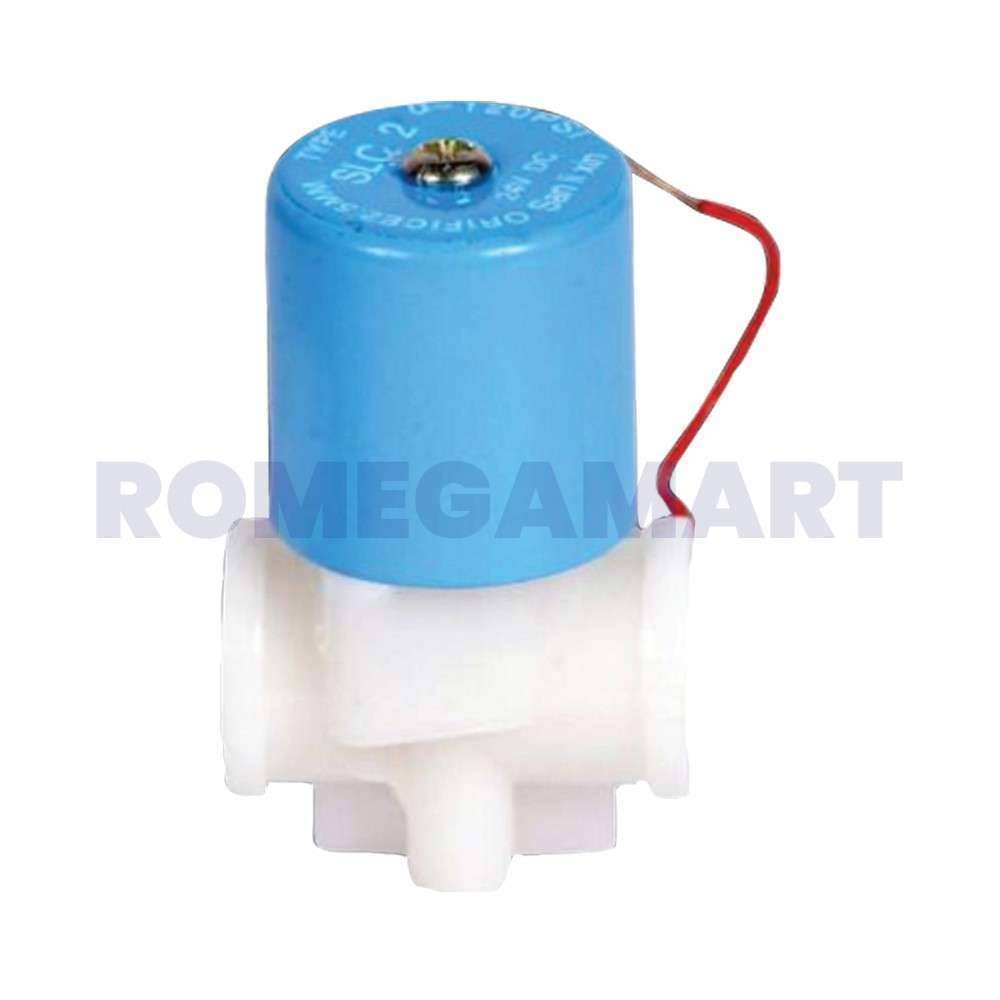
A Solenoid Valve is an electrically operated valve that automatically controls the flow of water inside an RO water purifier. It opens and closes using an electromagnetic coil, protecting the RO membrane, preventing overflow, maintaining water pressure, and ensuring efficient purification. A genuine Solenoid Valve RO improves system reliability and extends the life of domestic water purifiers.
Every modern RO water purifier contains several components that work silently behind the scenes, but one of the most important is the Solenoid Valve. Although it is small in size, it performs a critical function by controlling when water enters and stops inside the purification system. Without it, an RO purifier would struggle to regulate water flow, maintain pressure, or prevent unnecessary water wastage.
Whether installed in a domestic RO system or a larger water treatment setup, the solenoid valve provides intelligent automation that improves both efficiency and safety. Understanding its function helps homeowners make better decisions when replacing spare parts and maintaining their water purifier.
What Is a Solenoid Valve?
A Solenoid Valve is an electromechanical valve that uses electricity to control the movement of water. Instead of being operated manually, it responds automatically when power is supplied to its electromagnetic coil. The valve either opens or closes, allowing precise control of water flow throughout the purification process.
In domestic RO systems, the Solenoid Valve RO is commonly installed before the membrane and storage tank. It works together with the booster pump, SMPS adapter, and pressure switches to ensure the purifier operates safely and efficiently.
Its automatic operation makes it one of the most valuable domestic spare parts in every RO water purifier.
Solenoid Valve Working Principle
The solenoid valve working principle is based on electromagnetism. Inside the valve is a copper coil and a movable plunger. When electrical current passes through the coil, a magnetic field is created, pulling the plunger upward and allowing water to flow. When power is removed, a spring pushes the plunger back, stopping the water.
Step-by-step working
-
Power reaches the electromagnetic coil.
-
A magnetic field is generated.
-
The internal plunger moves automatically.
-
Water passage opens or closes.
-
The purifier continues or stops the purification cycle.
This simple but highly reliable mechanism allows precise control without manual intervention.
How Solenoid Valve Working Improves RO Purification
The solenoid valve working process supports several important functions inside a domestic water purifier.
Automatic Water Inlet Control
The valve opens only when purification begins, preventing unnecessary water flow into the system.
Overflow Prevention
Once the storage tank becomes full, the valve closes automatically to stop incoming water and reduce wastage.
Pressure Stability
Controlled water movement helps maintain consistent operating pressure for better RO membrane performance.
Membrane Protection
Stable flow prevents pressure fluctuations that could reduce membrane efficiency or shorten its lifespan.
Together, these functions improve both water quality and long-term purifier reliability.
What Is a Solenoid Valve Used For?
Many people ask, What is a solenoid valve used for? In an RO water purifier, its primary role is automatic water control.
Common applications include:
-
RO water purifiers
-
Water filtration systems
-
Water dispensing equipment
-
Automatic filling systems
-
Industrial water treatment
-
Irrigation control systems
-
Hydraulic and pneumatic automation
Although widely used across industries, the Solenoid Valve for Water is especially important in residential purification because it prevents leakage and supports fully automatic operation.
Solenoid Valve Types
There are several solenoid valve types, each designed for different applications and operating systems.
|
Type |
Application |
|---|---|
|
Normally Closed Valve |
Most RO water purifiers |
|
Normally Open Valve |
Continuous flow systems |
|
Direct Acting Valve |
Low-pressure applications |
|
Pilot Operated Valve |
High-flow water systems |
|
2-Way Valve |
Basic water control |
|
5/2 Solenoid Valve |
Pneumatic industrial systems |
|
Hydraulic Solenoid Valve |
Hydraulic fluid control |
For domestic RO systems, normally closed water solenoid valves are the most commonly used because they automatically stop water when power is disconnected.
Solenoid Valve RO in Domestic Water Purifiers
A Solenoid Valve RO works as the intelligent gateway between the water supply and the purification system. It communicates with the electrical circuit and responds automatically during different purification stages.
Its responsibilities include:
-
Starting water flow during purification
-
Stopping water after tank filling
-
Supporting automatic cut-off
-
Reducing water wastage
-
Improving purifier safety
Without a properly functioning valve, even a high-quality RO membrane cannot operate efficiently.
Is a Solenoid AC or DC?
A common question is: Is a solenoid AC or DC?
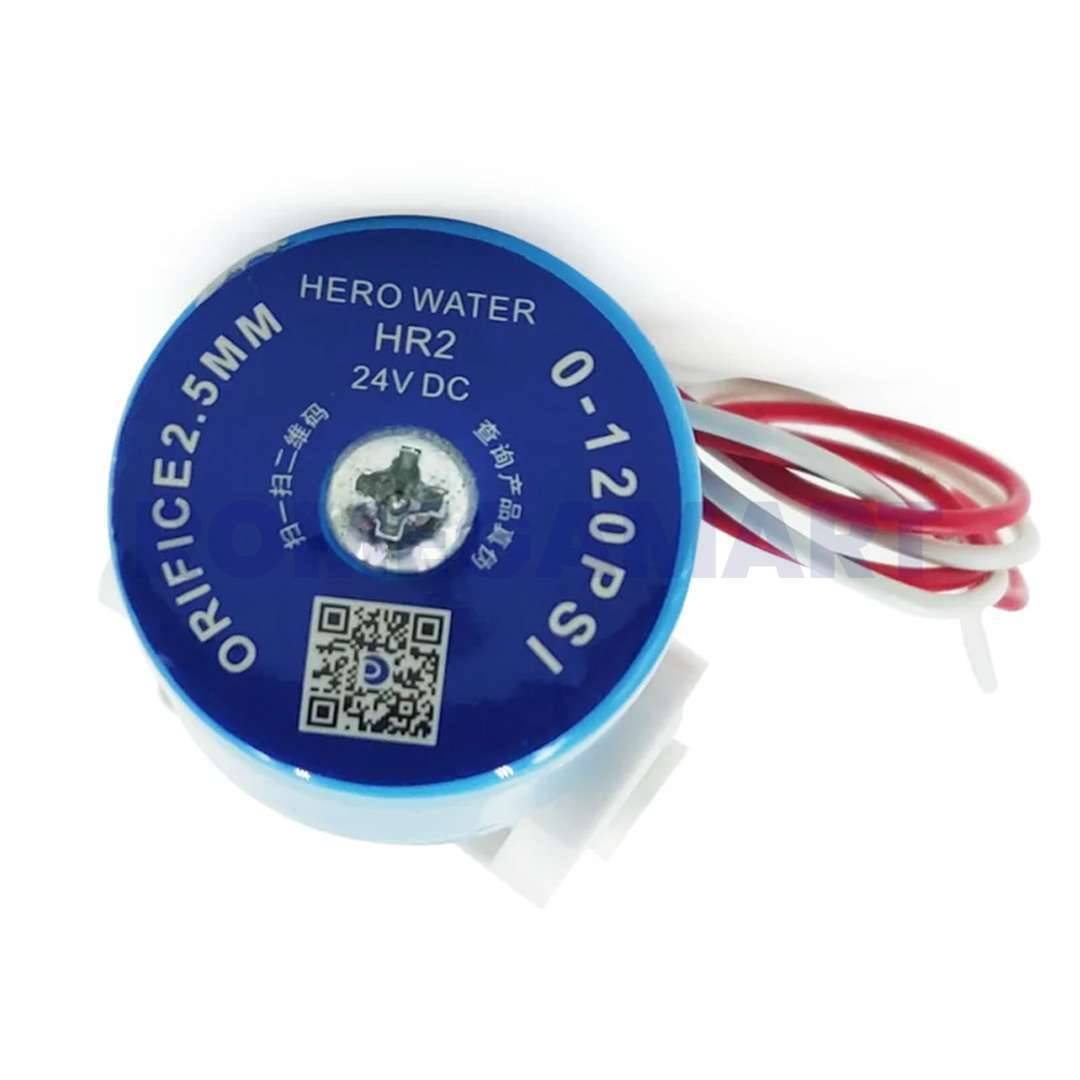
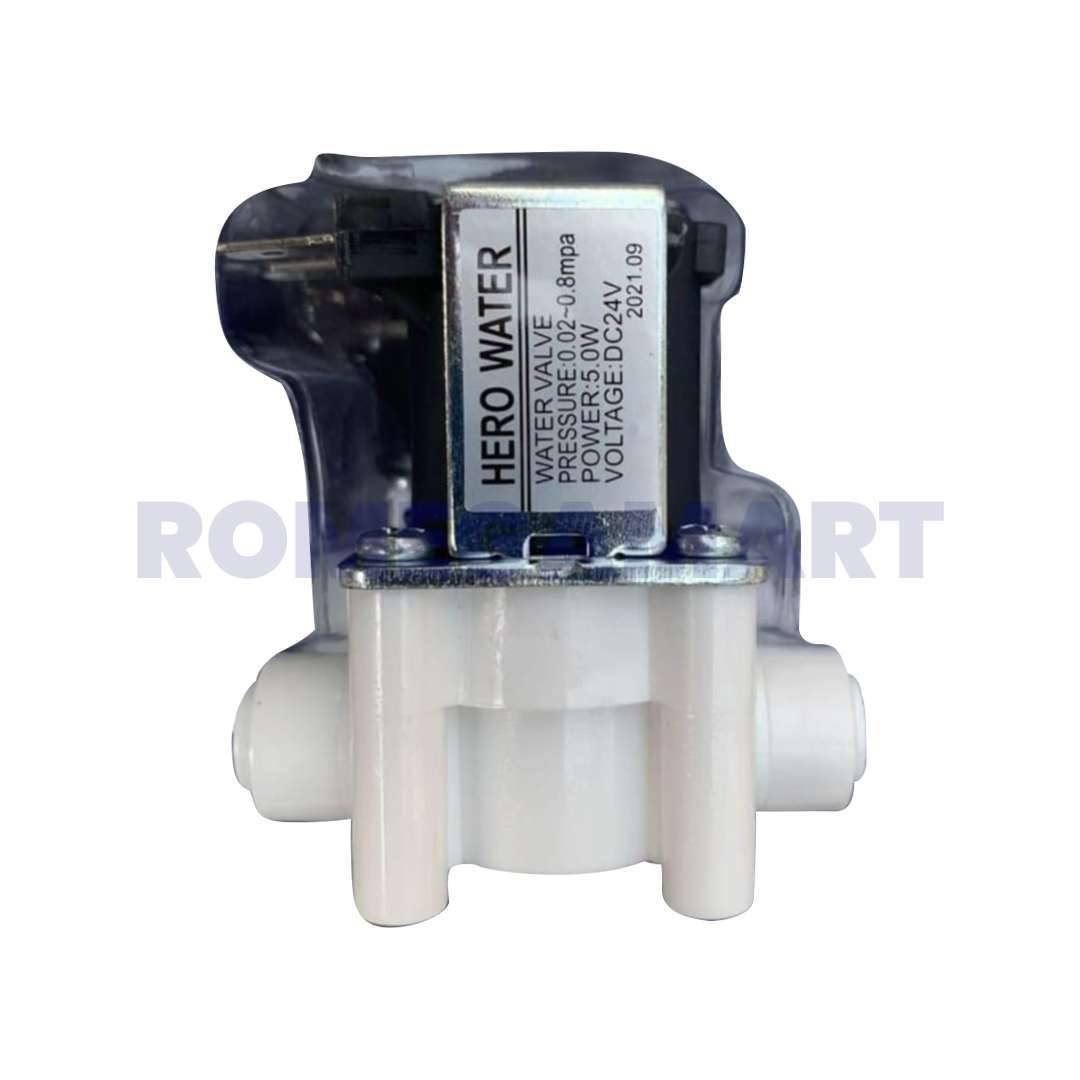
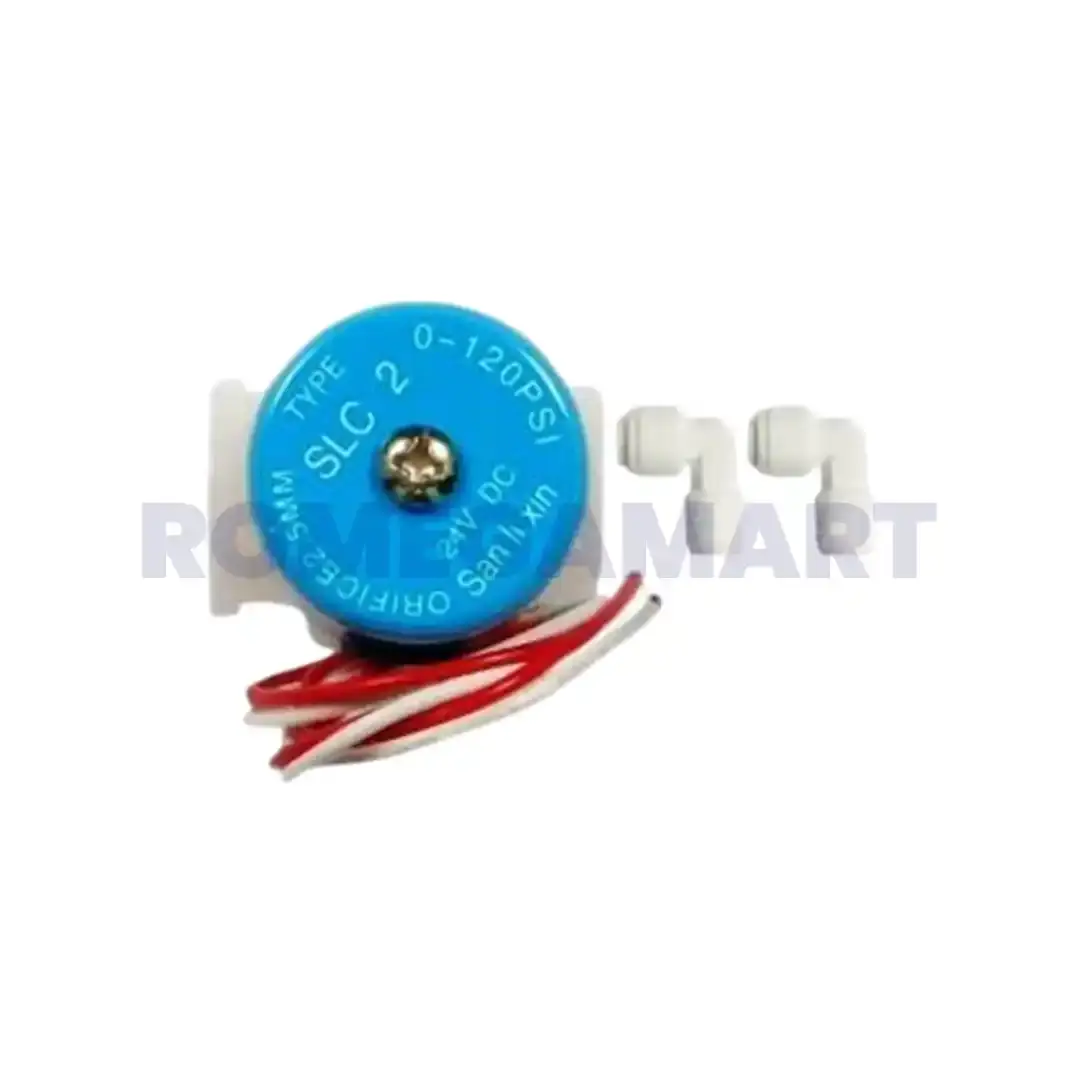
The answer is that solenoid valves are available in both AC and DC versions. Domestic RO water purifiers typically use DC-powered solenoid valves because they operate through the purifier's SMPS adapter, providing safer low-voltage performance for residential applications.
Industrial automation may use AC-powered models depending on system design and operating requirements.
What Triggers a Solenoid Valve?
The solenoid valve is triggered by an electrical signal from the purifier's control system.
Typical triggers include:
-
Purification cycle begins
-
Storage tank becomes empty
-
Booster pump starts
-
Pressure switch activates
-
Tank becomes full
-
Automatic cut-off engages
These signals allow the valve to operate automatically without requiring manual control.
Solenoid Valve Price – What Affects Cost?
The Solenoid Valve Price depends on quality, material, voltage compatibility, and manufacturing standards rather than appearance alone.
|
Factor |
Importance |
|---|---|
|
Material Quality |
Longer durability |
|
Coil Performance |
Better reliability |
|
Water Compatibility |
Safe drinking water |
|
Pressure Rating |
Stable operation |
|
Manufacturing Standard |
Improved lifespan |
Choosing a genuine valve provides better long-term value than selecting the lowest-priced replacement.
Hydraulic Solenoid Valve vs RO Water Solenoid Valve
Although both operate using electromagnetism, their applications are very different.
|
RO Water Solenoid Valve |
Hydraulic Solenoid Valve |
|---|---|
|
Controls drinking water |
Controls hydraulic oil |
|
Low-pressure operation |
High-pressure fluid systems |
|
Compact design |
Industrial heavy-duty design |
|
Used in RO purifiers |
Used in hydraulic machinery |
This distinction helps users choose the correct valve for their specific application.
Essential Domestic Spare Parts That Work with Solenoid Valve
A complete RO purifier depends on multiple genuine domestic spare parts working together efficiently.
|
Domestic Spare Part |
Function |
|---|---|
|
Solenoid Valve |
Automatic water control |
|
RO Membrane |
Removes dissolved impurities |
|
Sediment Filter |
Removes dust & rust |
|
Activated Carbon Filter |
Eliminates chlorine & odor |
|
Carbon Block Filter |
Chemical filtration |
|
Booster Pump |
Maintains purification pressure |
|
SMPS Adapter |
Supplies regulated power |
|
Flow Restrictor |
Balances membrane pressure |
|
Filter Housing |
Holds filtration cartridges |
|
TDS Controller |
Maintains mineral balance |
Replacing genuine spare parts improves purifier efficiency and extends equipment life.
Why Choose RO Service & Sales?
RO Service & Sales supplies premium domestic RO spare parts designed for reliable residential water purification.
Our Product Range
-
Solenoid Valve
-
RO Membrane
-
Sediment Filter
-
Activated Carbon Filter
-
Carbon Block Filter
-
Booster Pump
-
SMPS Adapter
-
Flow Restrictor
-
Filter Housing
-
TDS Controller
Why Customers Trust Us
-
Genuine domestic spare parts
-
Reliable RO compatibility
-
Durable water control components
-
Professional technical support
-
Long-lasting product quality
-
Dependable after-sales service
Every component is selected to deliver efficient purification and dependable long-term performance.
Conclusion
A Solenoid Valve is the intelligent control component that makes automatic RO purification possible. From regulating water flow and preventing overflow to protecting the membrane and supporting pressure stability, it plays a vital role in every domestic water purifier. Whether you're learning about the solenoid valve working principle, comparing Solenoid Valve Price, or replacing a Solenoid Valve RO, choosing a genuine product ensures better efficiency, safer operation, and reliable drinking water for your home.
Frequently Asked Questions
1. What is a Solenoid Valve?
A Solenoid Valve is an electrically operated valve that automatically controls water flow inside an RO water purifier.
2. What is the solenoid valve working principle?
It uses an electromagnetic coil to move an internal plunger, opening or closing the water passage automatically.
3. What is a solenoid valve used for?
It regulates water flow, prevents overflow, supports automatic cut-off, and improves purifier efficiency.
4. Is a solenoid AC or DC?
Solenoid valves are available in both AC and DC versions, but most domestic RO water purifiers use DC-powered models.
5. What triggers a solenoid valve?
Electrical signals from the purifier's control system, pressure switch, or storage tank activate the valve automatically.
6. What is the difference between an RO water solenoid valve and a hydraulic solenoid valve?
RO valves control drinking water, while hydraulic solenoid valves are designed for hydraulic fluid systems and industrial machinery.
7. What are the common solenoid valve types?
Normally closed, normally open, direct acting, pilot operated, 2-way, 5/2 solenoid valve, and hydraulic solenoid valve are common types.
8. What affects the solenoid valve price?
Material quality, coil performance, pressure rating, compatibility, and manufacturing standards influence the price.
9. Can a faulty solenoid valve affect my RO purifier?
Yes. It can cause continuous water flow, overflow, low pressure, or automatic purification failure.
10. Why choose RO Service & Sales?
RO Service & Sales offers genuine Solenoid Valves, premium domestic spare parts, reliable compatibility, and professional technical support for long-term RO purifier performance.




OTP Verified