





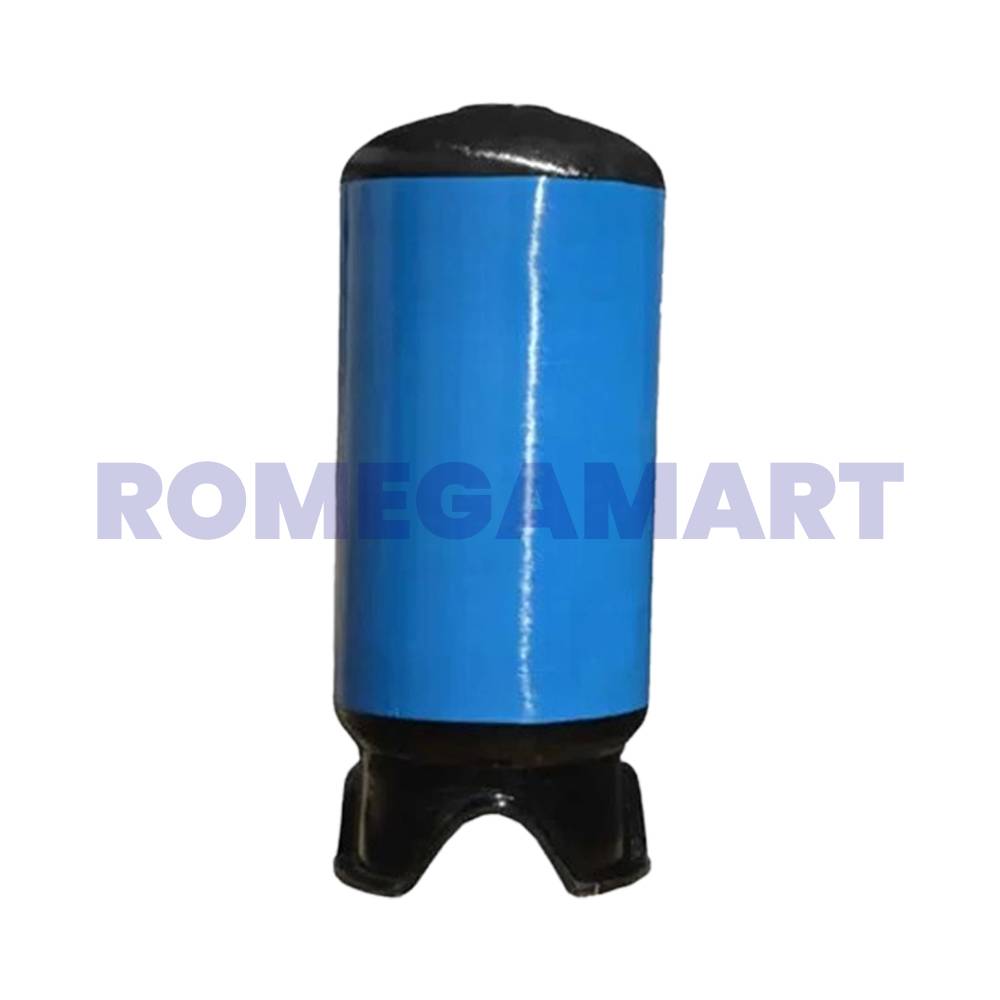

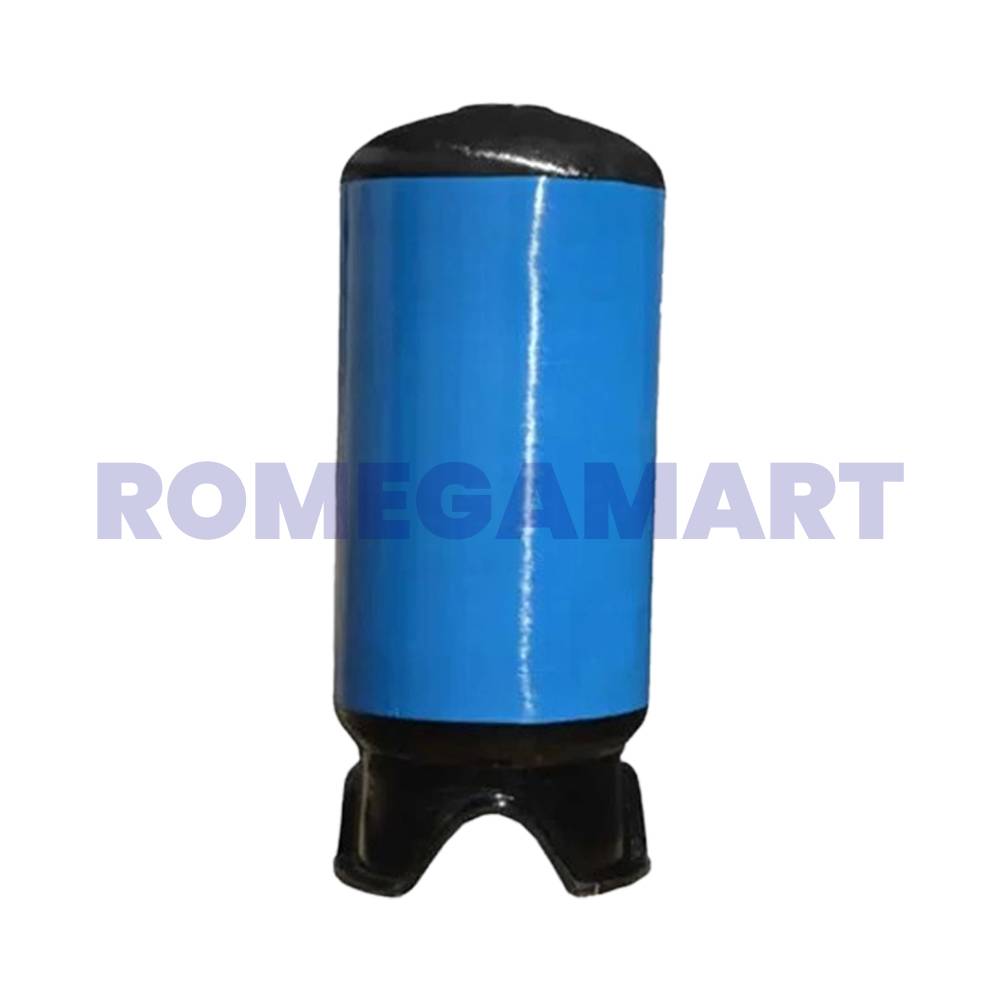

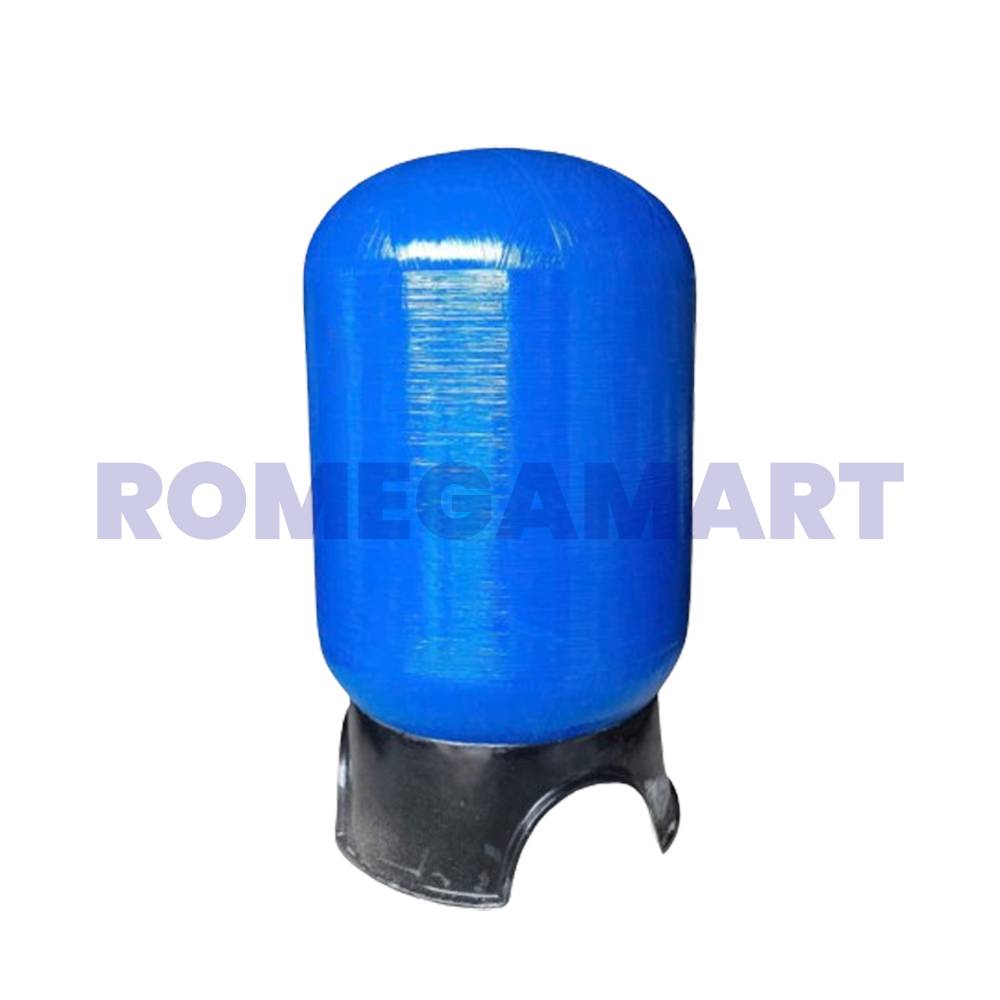

FRP Vessel: The Ultimate Guide for Water Treatment Systems — Sizes, Price, Full Form, Applications, and Buying Advice
When it comes to designing or maintaining any water treatment system—especially reverse osmosis (RO), media filtration, softeners—the FRP vessel (also sometimes called FRV vessel) is a central component. Whether it’s for a small domestic unit or a large industrial plant, the correct vessel size, material specification, pressure rating and cost matter significantly. If you are sourcing equipment, supplying parts, or servicing plants, you need to be fluent in the terminology, sizing charts, price ranges and installation best-practices.
In this extensive guide we’ll cover:
-
What is an FRP vessel (including the full form of FRP)
-
Why FRP vessels are used in water treatment
-
Typical size charts (RO FRP vessel size, volume equivalents)
-
Common models like 1665 FRP vessel, 1465 FRP vessel and their pricing
-
Key specifications (pressure rating, diameter × height, connection type)
-
How to choose the right FRP vessel for your application (RO plants, media filters)
-
FRP vessel price in India, factors that influence cost
-
Frequently asked questions
-
Summary & what you should do next
You can explore a trusted product catalog here: Industrial Ro Vessel
Let’s dive deep.
What is an “FRP Vessel” and Why Is It Important?
Full form and material explanation
The acronym FRP stands for Fibre Reinforced Plastic (or sometimes Fiberglass Reinforced Plastic). It is a composite material combining a plastic matrix (such as polyester, vinyl ester or epoxy resin) with reinforcing fibres (typically glass-fibre). This reinforces mechanical strength, improves durability, and provides corrosion resistance.
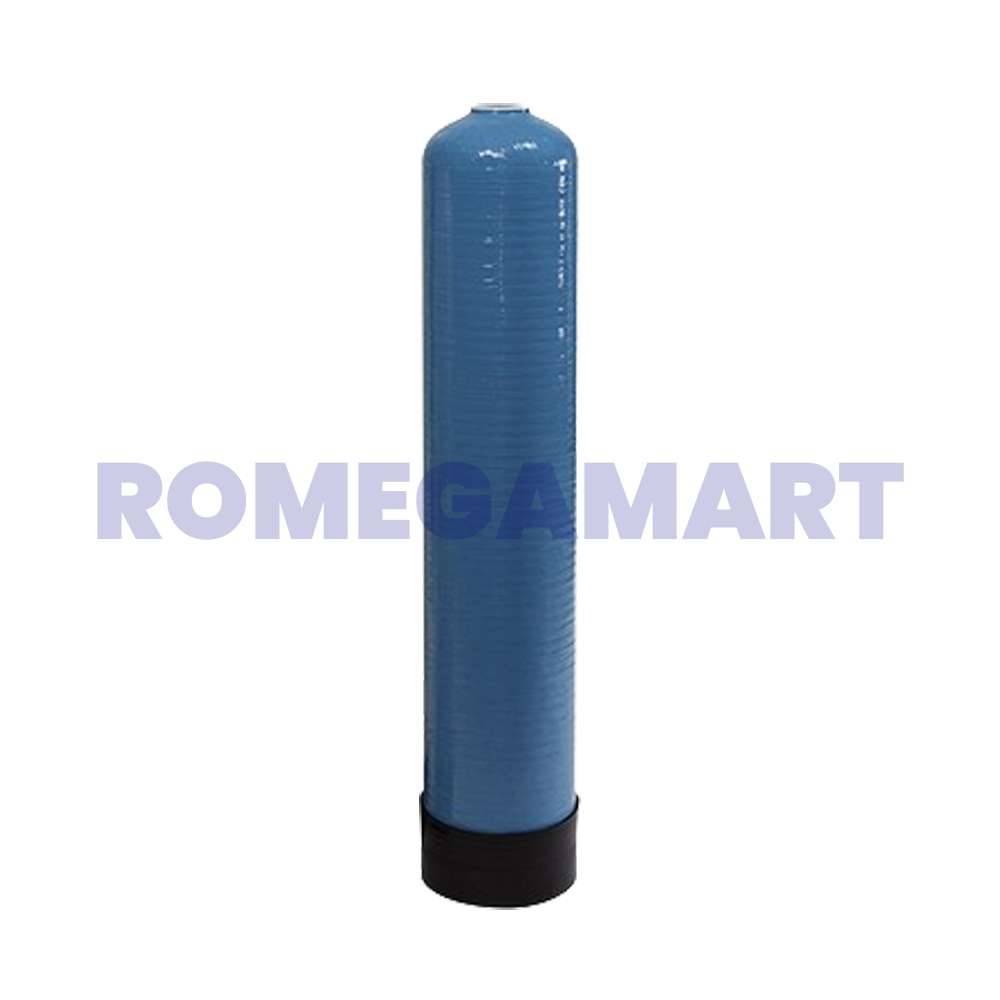
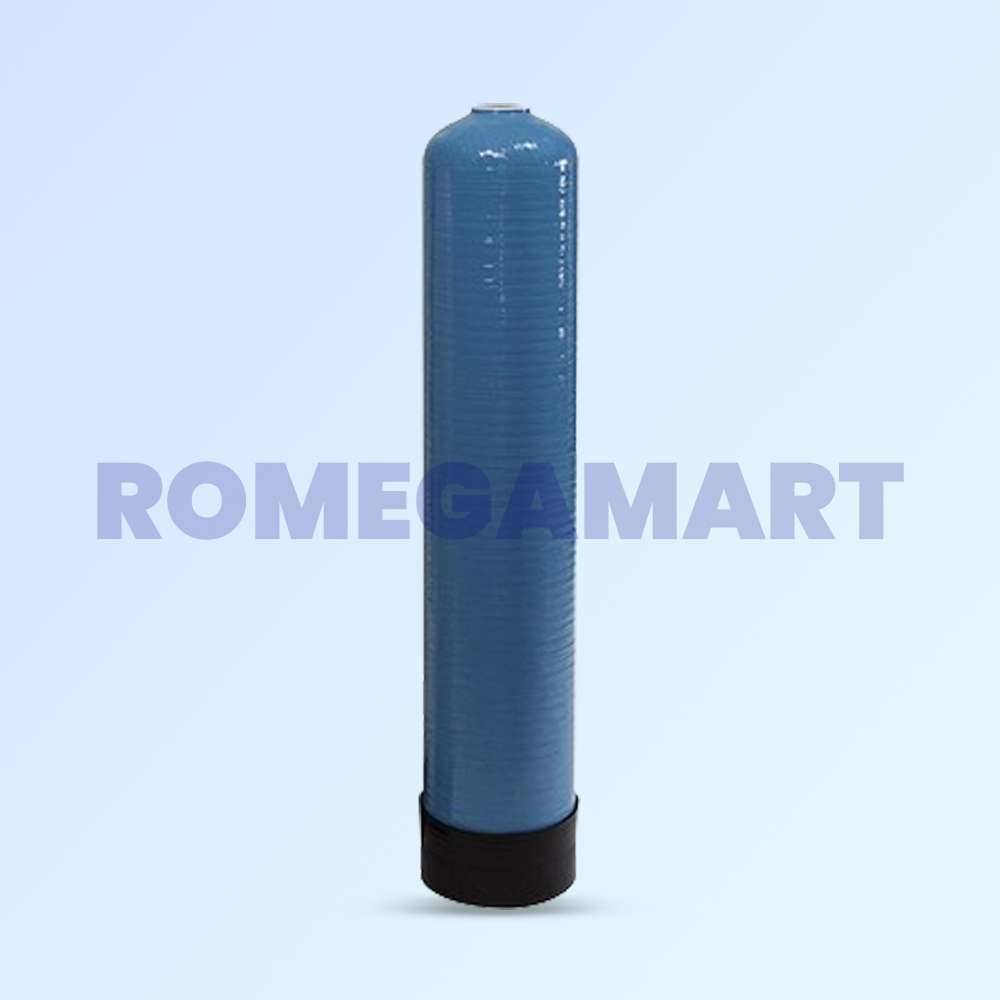
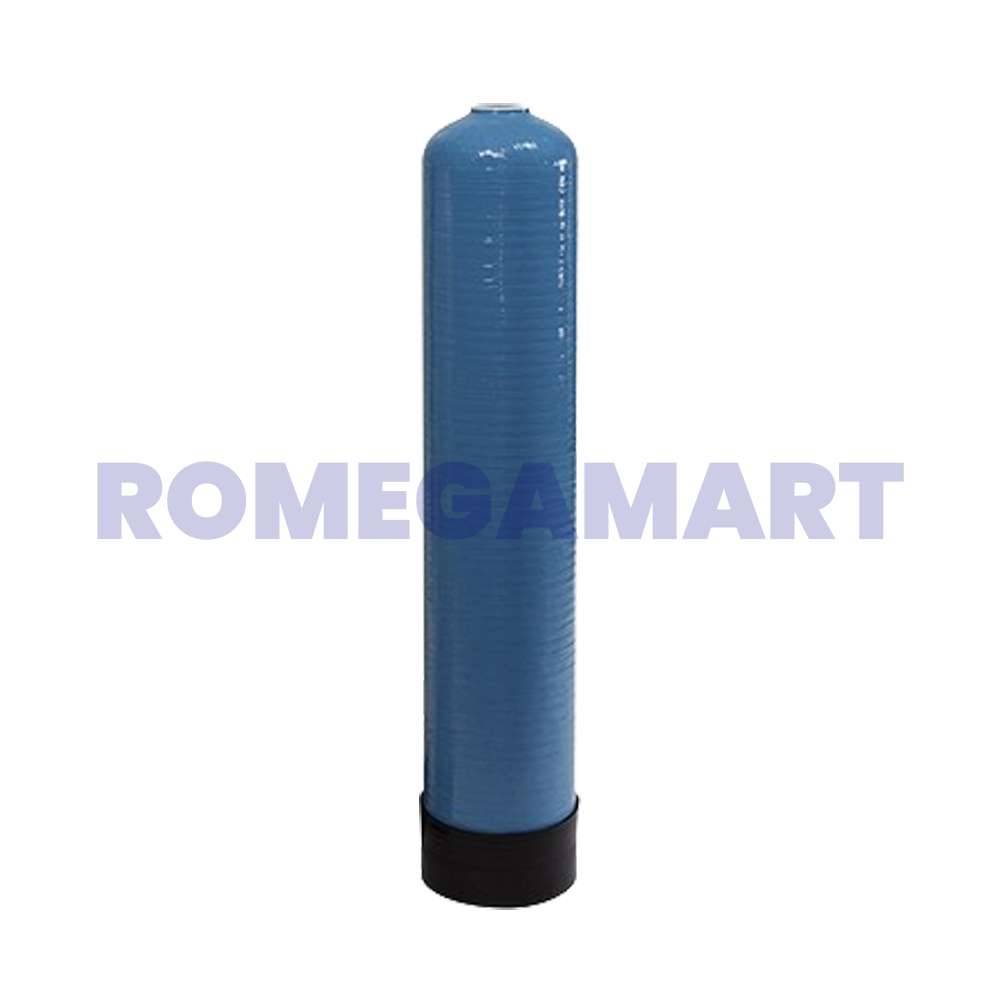
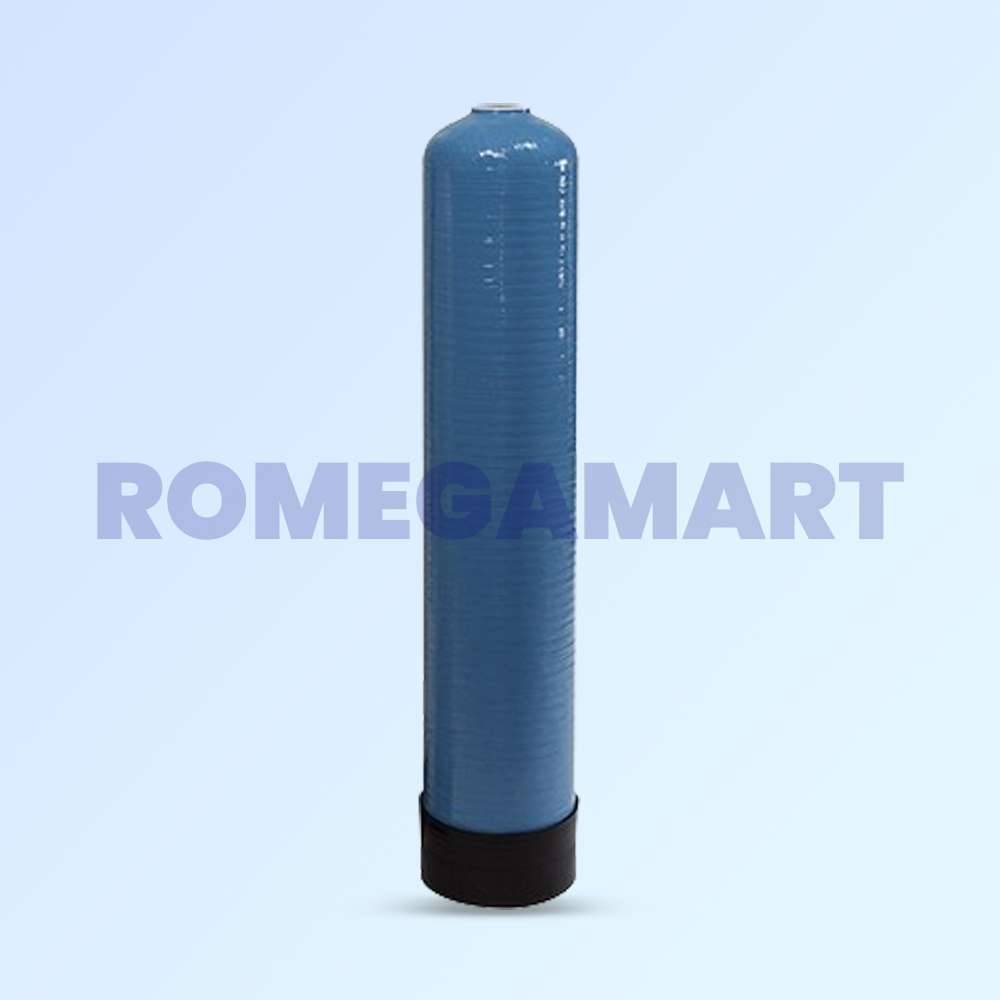
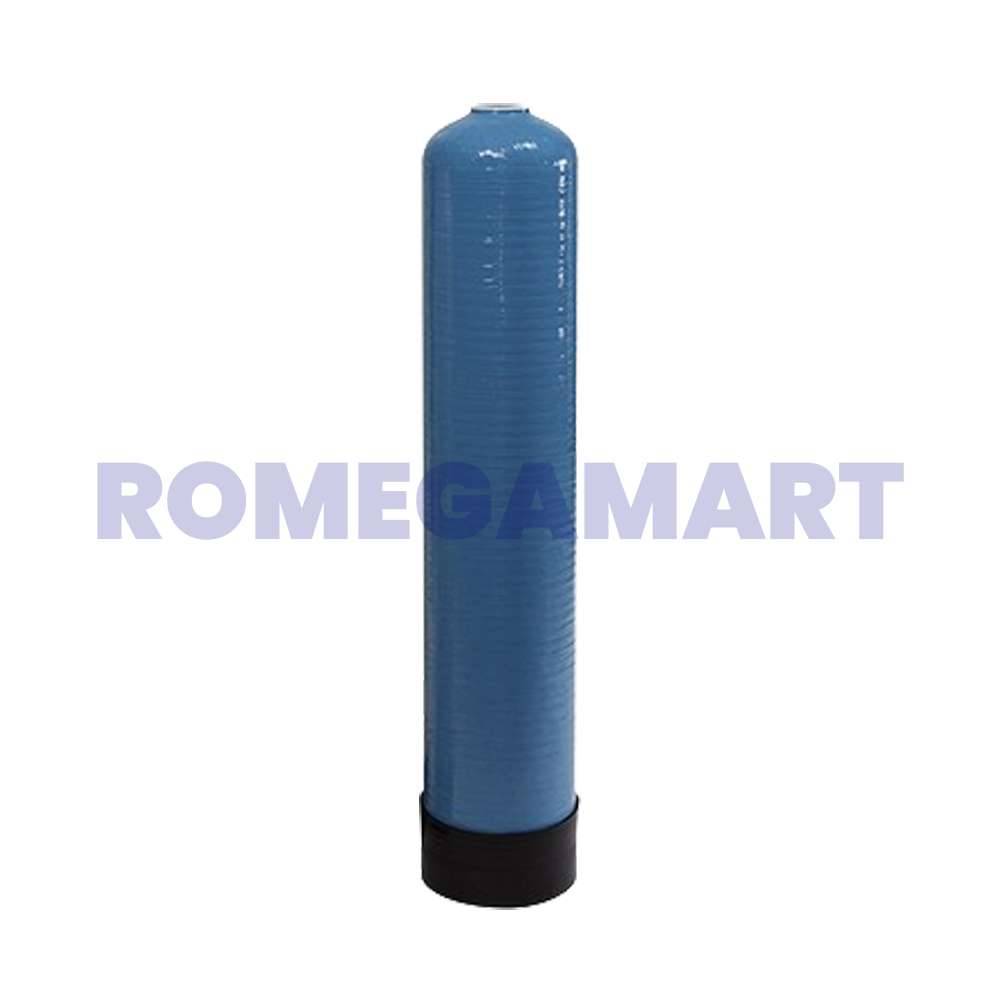
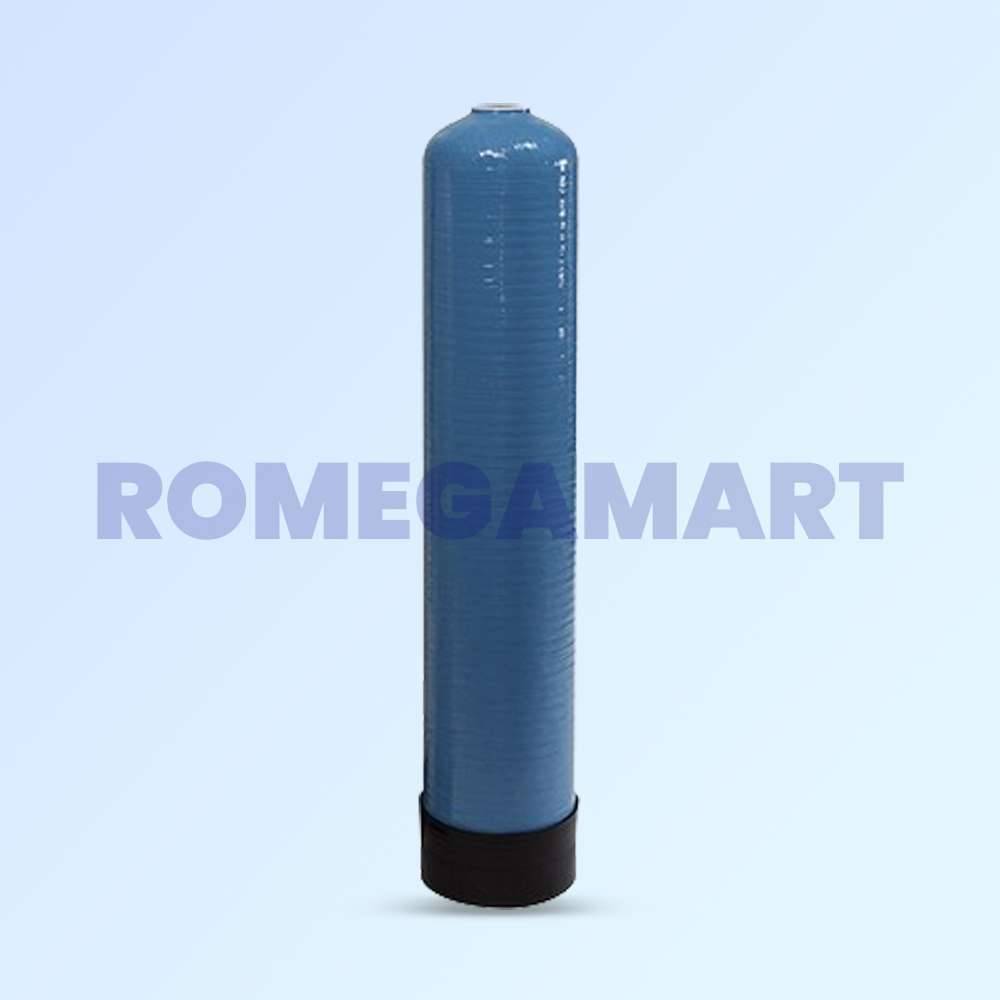
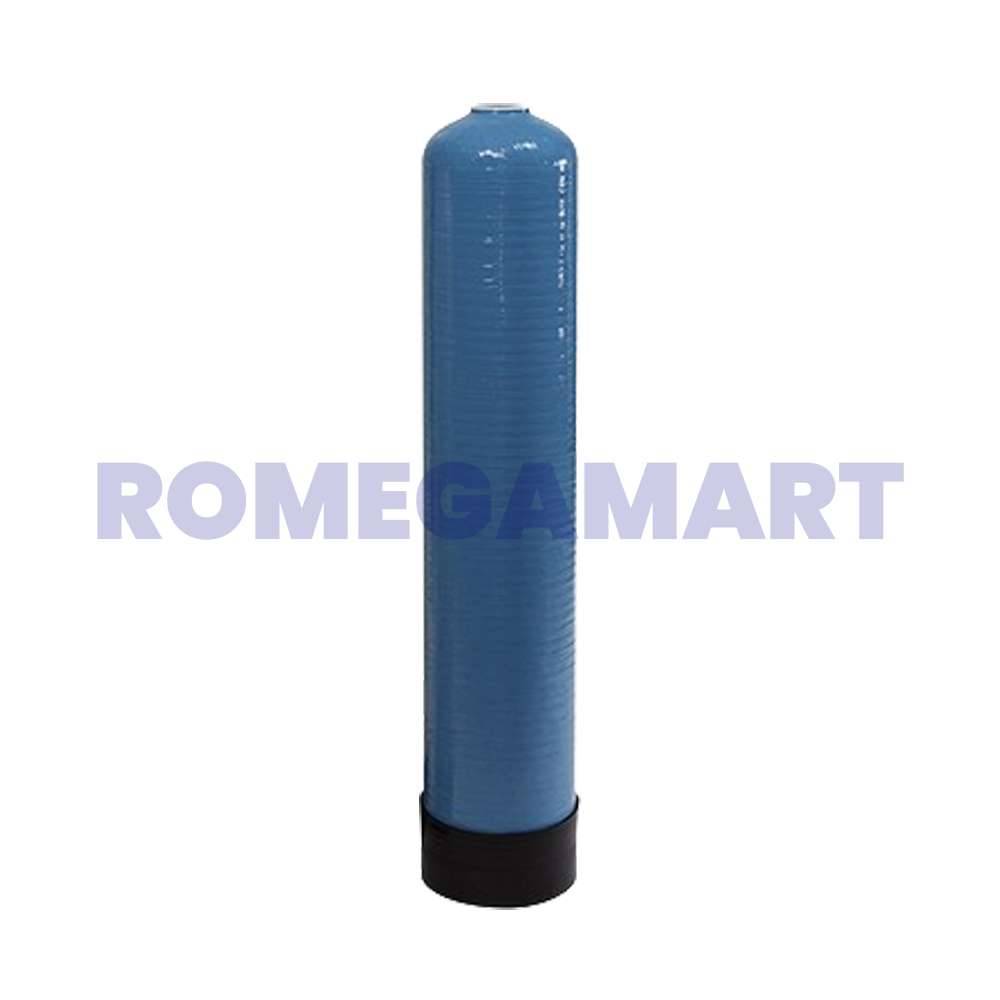
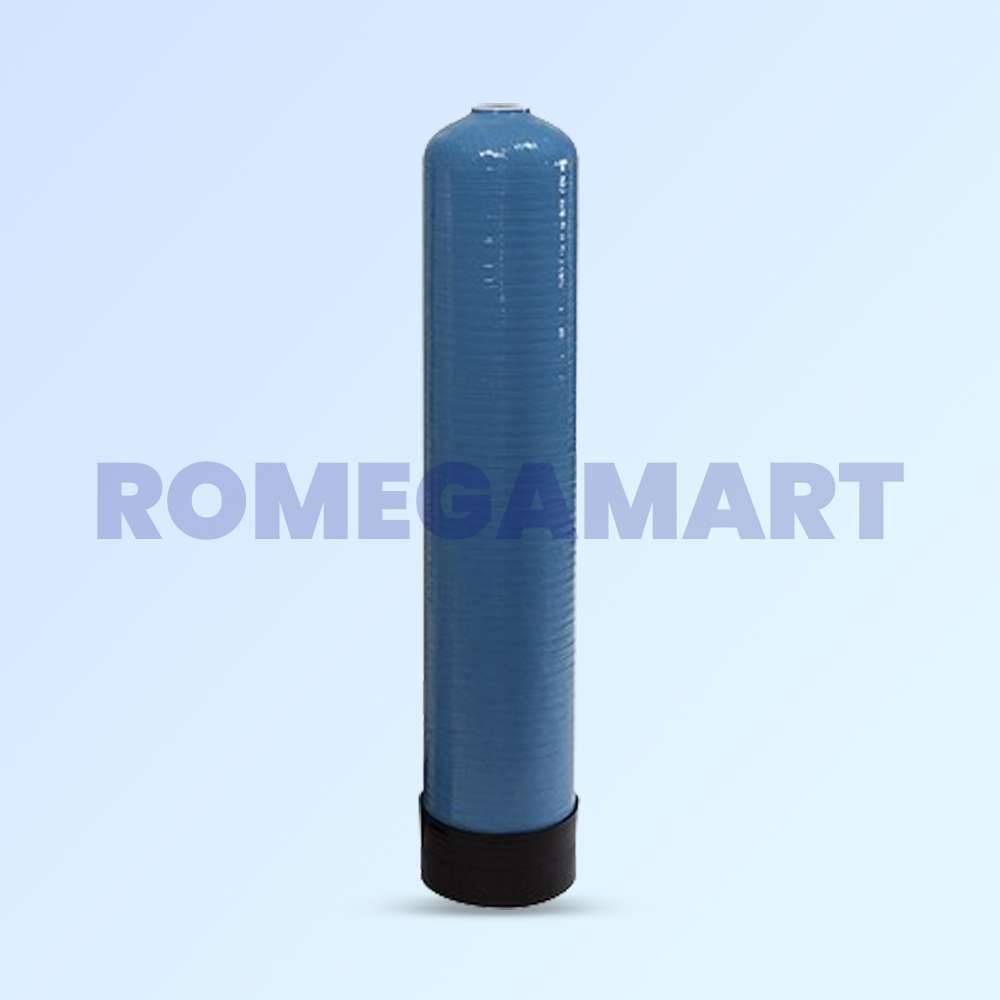
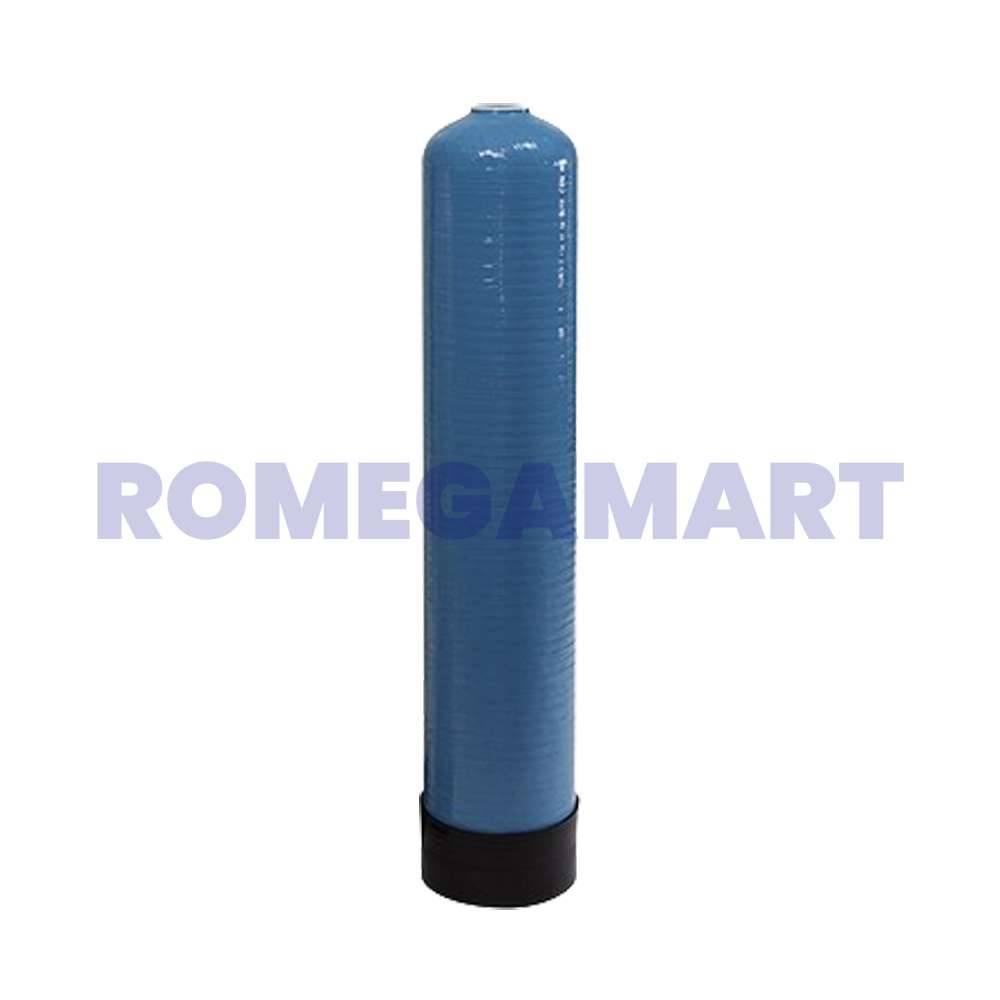
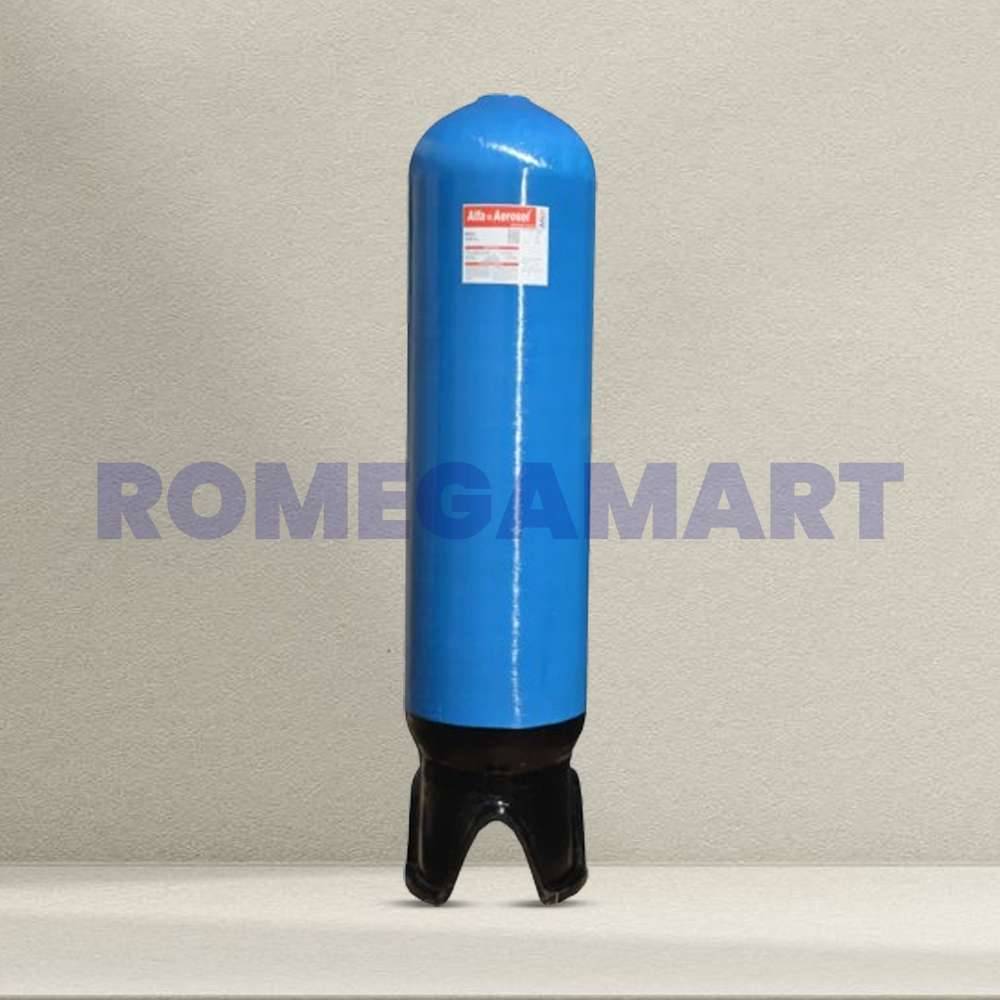
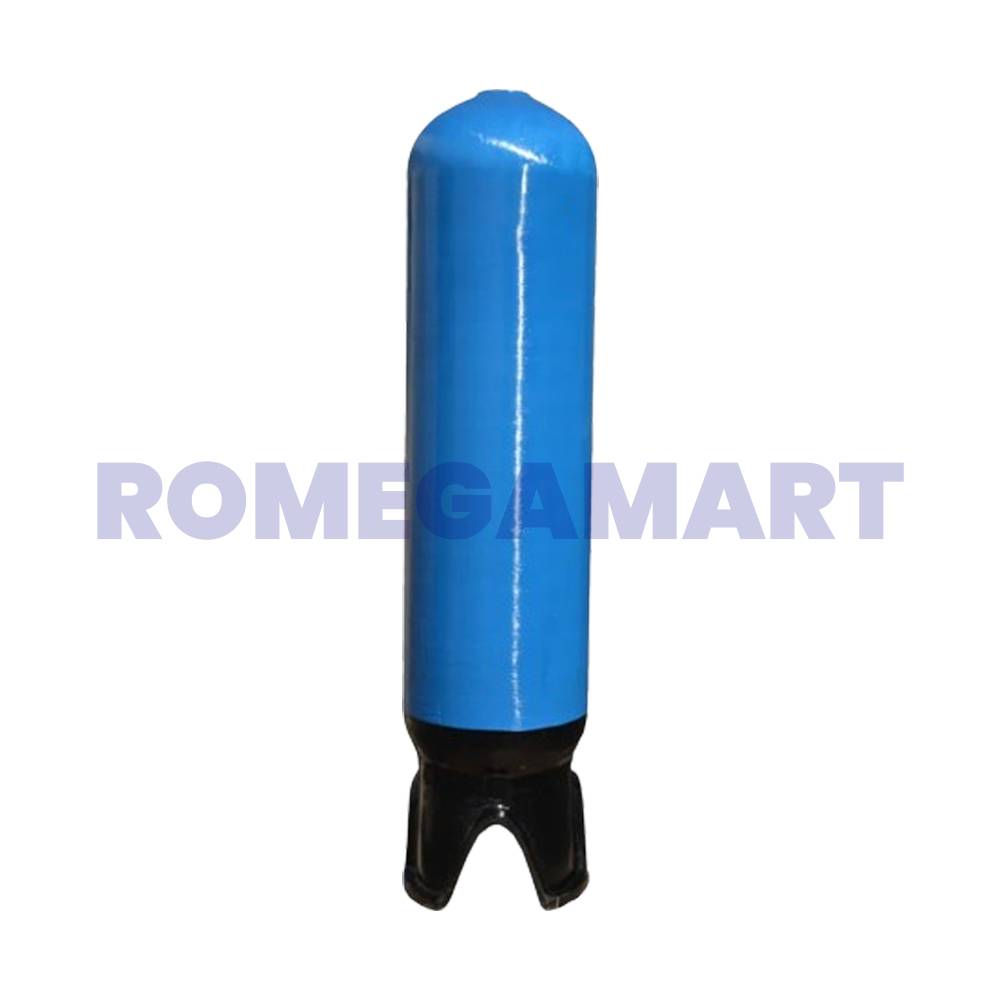
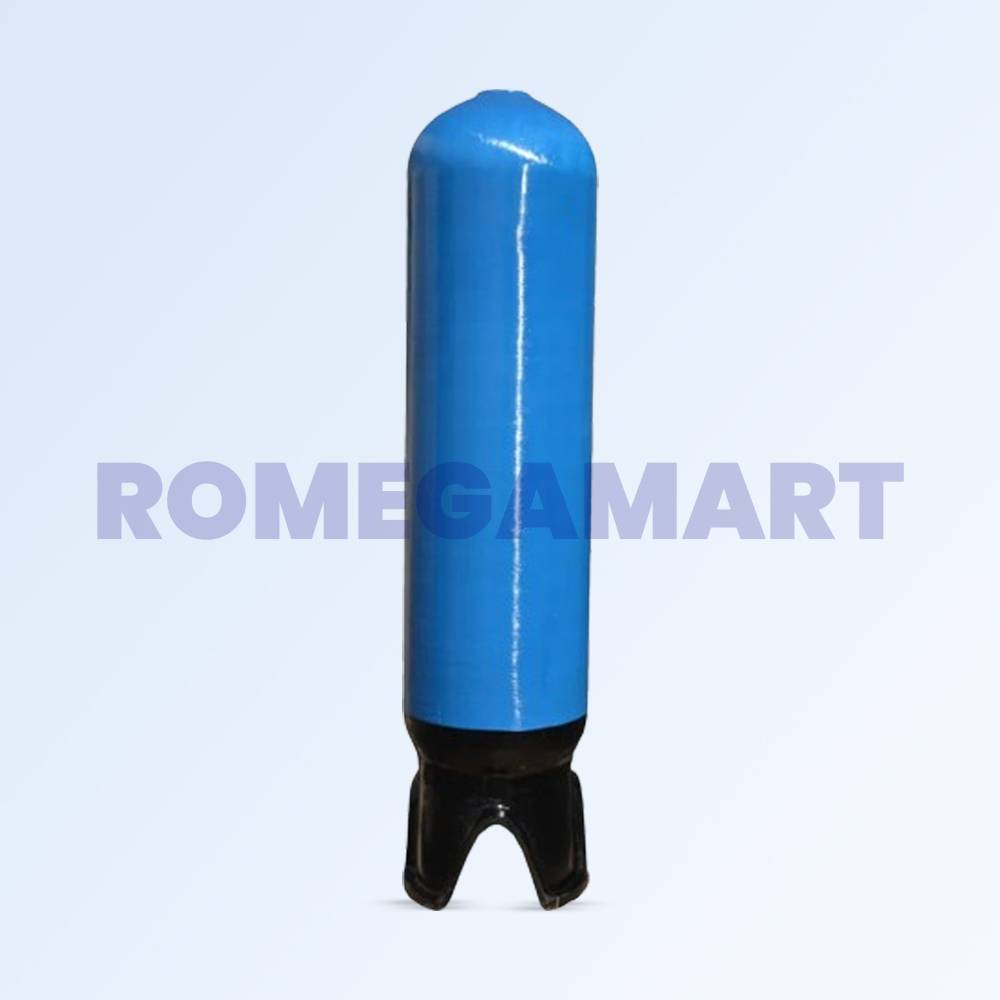
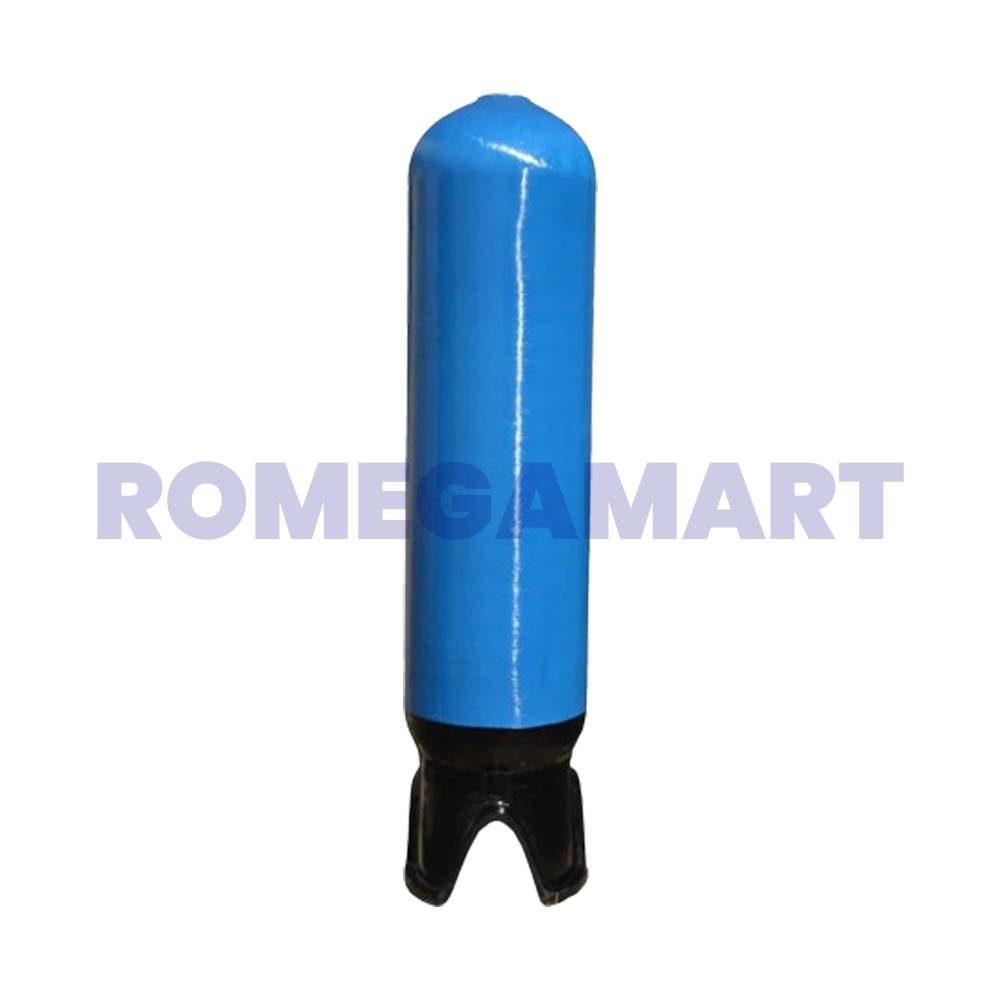
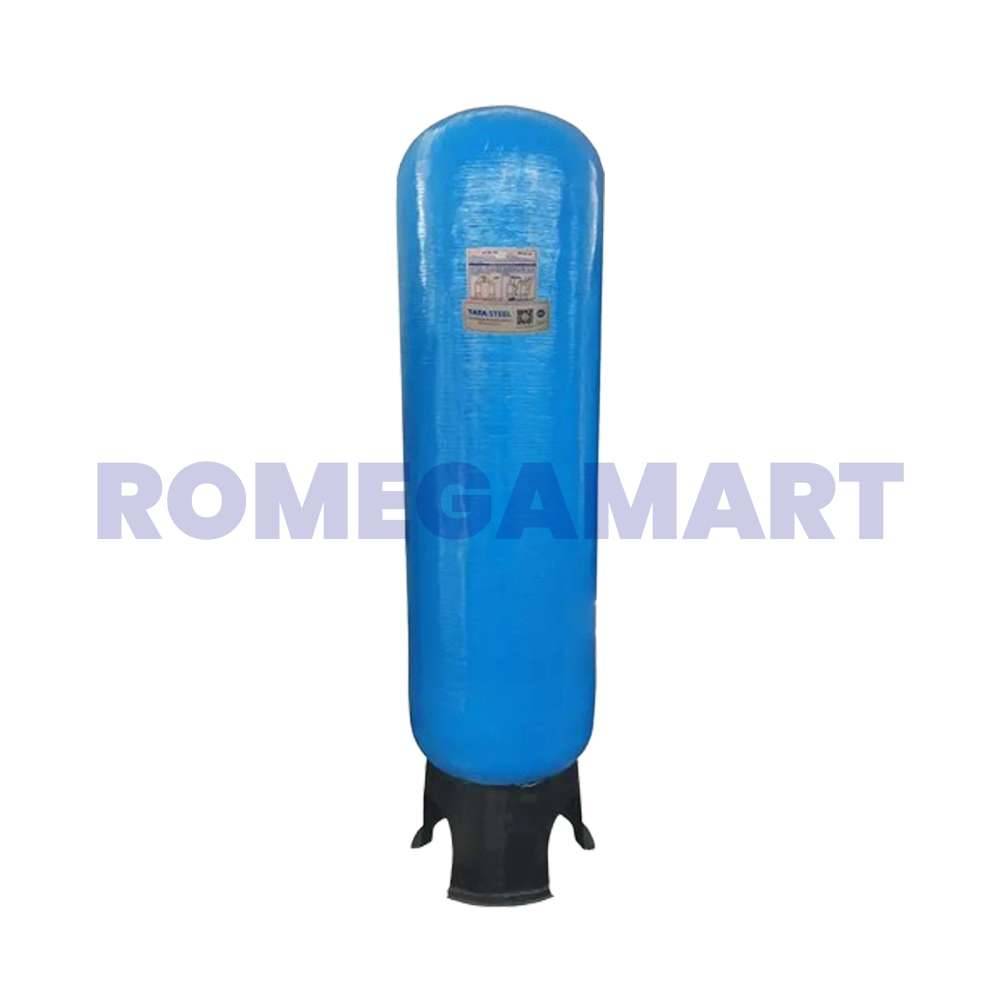
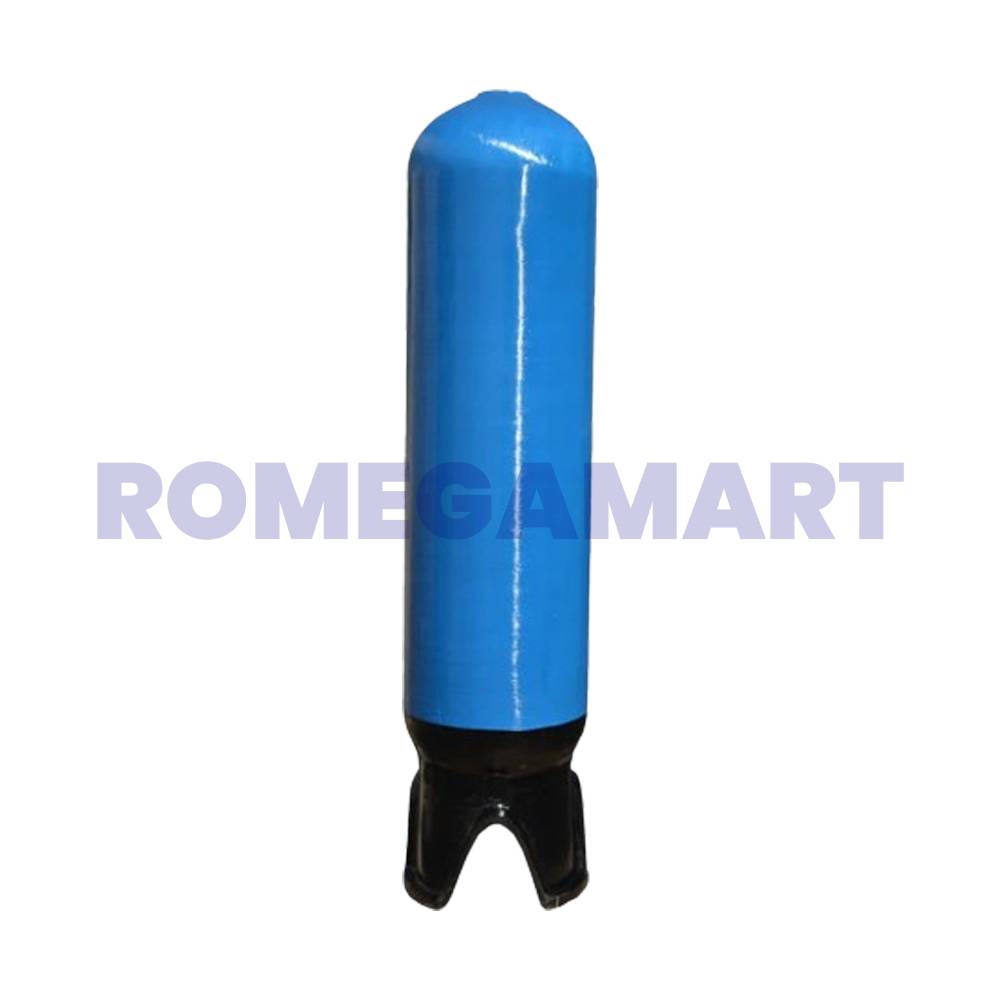
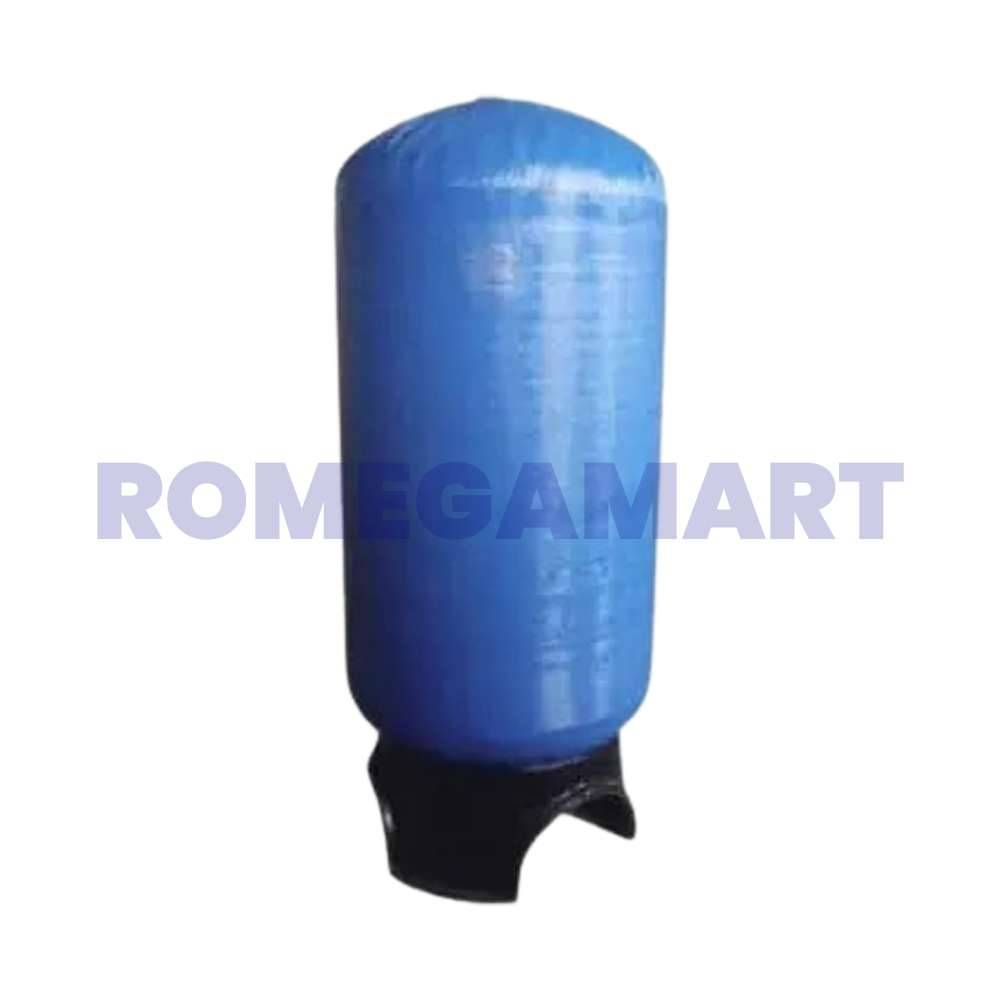
So, an “FRP vessel” is a pressure vessel made from FRP material, used to hold media or membranes under pressure in water treatment and RO systems.
Why FRP vessels are widely used in water treatment
Key advantages of FRP vessels include:
-
High strength-to-weight ratio (lighter than metal, easier to handle)
-
Excellent corrosion resistance (ideal for water, chemicals)
-
Ability to be manufactured in large sizes (diameter × height)
-
Durable under cyclic pressure and wet conditions
-
Cost-effective relative to stainless steel for many applications
In water-purifier and industrial RO applications, FRP vessels hold filtration media (sand, activated carbon, resin) or spiral-wound RO membrane elements. For example, a listing of FRP vessels explicitly describes “FRP vessel for RO plant”.
Because the vessel has to safely handle water pressure (10 bar or higher), material quality matters.
Typical Sizes: “RO FRP Vessel Size”, Size Chart & Volume
A key aspect when selecting an FRP vessel is size—both diameter and height—and therefore the internal volume and compatibility with media/membranes. The size nomenclature and “size chart” help you determine which vessel is right.
How sizes are described
FRP vessels are typically listed by diameter × height (in inches) or sometimes by a model code. For example “10×54 FRP vessel” implies 10-inch diameter × 54-inch height. According to one listing: “10 * 54 FRP Vessel … Capacity … 60 litres”. Another listing lists sizes like 8×44, 10×54, 13×54, 16×65, etc.
Size chart – examples
Here are some common size examples and approximate volumes (for illustration only):
| Size (Dia × Height) | Approximate Volume | Typical Application |
|---|---|---|
| 8″ × 44″ | ~30-50 L | small domestic media filter |
| 10″ × 54″ | ~60-80 L | domestic RO or small commercial |
| 13″ × 54″ | ~100-150 L | media/RO pre-treatment |
| 16″ × 65″ | ~200-300 L | medium commercial |
| 21″ × 62″ | ~300-400 L | larger industrial media vessels |
| 24″ × 72″ | ~450-600 L | high capacity media/RO skids |
| 30″ × 72″ | ~700-1000 L | large industrial RO or filter tanks |
For example, one manufacturer lists sizes “available in capacities up to 3,200 litres”.
Specific model codes
-
1665 FRP vessel – typically 16″ diameter × 65″ height. One listing gives “1665 TATA Steel FRP Vessel” for water treatment.
-
1465 FRP vessel – typically 14″ diameter × 65″ height. Again listed in Indian catalogues.
Therefore when a spec sheet or pricing reference says “1665 FRP vessel volume” you know the diameter/height and thus approximate capacity.
Key Specifications of FRP Vessels for RO/Water Treatment
When specifying an FRP vessel for a project (RO plant, filter tank, etc), the following specs matter:
-
Diameter × Height (inches or mm)
-
Operating pressure / design pressure – e.g., 10 bar (150 psi) or 20 bar, etc.
-
Material of construction – FRP shell with inner liner (often polyethylene or PP) and glass-fibre wound outer shell.
-
Connections / ports – Inlet, outlet, top/bottom openings, flange/threaded connections.
-
Orientation – Vertical typically, some horizontal options exist.
-
Temperature rating – Max temperature for safe service (often 65°C or more).
-
Approval/certification – Some vessels are NSF/ANSI certified for water treatment applications.
-
Weight & mounting base – Important for installation logistics.
-
Volume capacity – Based on dimensions and internal liner.
-
Media compatibility (for filter vessels) – For example acid-resistant liner if using chemical media.
Example specification data
From a catalogue: “Available in capacities up to 3,200 Litres, composite vessels … design pressure 10 bar”
Another listing: “1248 Tata Steel FRP Vessel – dia 12″ (304.8 mm) × height 48″, capacity ~75 litres, pressure rating 10 bar / 150 psi.”
As a supplier or installer you must check match between system design (flow, pressure, media) and vessel rating.
FRP Vessel Price in India & What Drives Cost
One of your key keywords is “RO FRP vessel price”, “FRP vessel price in India”. Below is a summary of current market ranges and cost-drivers.
Typical price ranges
-
Smaller vessels (e.g., 8″×44″) may cost around ₹1,500–₹2,500 per piece in Indian market.
-
Mid-range sizes (10″×54″, 13″×54″) might be priced in the range ₹3,000–₹5,000 per piece.
-
Larger vessels (21″×62″, 24″×72″) can go into ₹10,000+ territory depending on brand, pressure rating. Example listing: “36×72” size for ₹35,000-45,000.
Example prices from listings
-
From one listing: “10 × 54 FRP Vessel … Price: ₹3,299” for 60 litre capacity.
-
Another listing: “1248 Tata Steel FRP Vessel … ₹4,000”.
-
Also: “Ro FRP vessel … ₹6,500 per piece” for more than 1000 L capacity.
Cost-drivers to note
-
Size and Volume – Larger diameter/height means more material → higher cost.
-
Pressure Rating – Vessels rated for higher pressure (10–20 bar or more) cost more.
-
Material and Certification – Premium vessels (NSF certified, special resin) cost higher.
-
Brand & Source – International brands vs local manufacturers.
-
Port/Connection Type & Accessories – Top/bottom open, flanged vs thread, base stand add cost.
-
Quantity / Bulk Purchase – Bulk orders usually get better pricing.
-
Location / Freight – Larger vessels are heavy & logistics cost significant in India.
How to quote to clients
When you provide a quote to your channel/distributors/installers:
“FRP Vessel (Model 1665 – 16″×65″) – FRP shell, 10 bar rating, blue finish – ₹13,500 each ex-warehouse (Delhi/NCR).” (As example from listing).
You can build price tiers: size small, medium, large; include optional ports or accessories.
Applications: FRP Vessel for Water Treatment, RO, Filters & More
Why these vessels are so central in water treatment systems:
For RO plants
-
When using spiral‐wound RO membrane elements, the elements are often housed inside pressure vessels (membrane housings) which may themselves be FRP. The term “RO FRP vessel size” often refers to membrane pressure vessels.
-
Example: one listing explicitly mentions “RO FRP vessel for RO plant”.
-
The vessel needs to hold high pressure feed and direct flow through membrane; FRP gives corrosion and pressure resistance.
For media filtration / softener systems
-
Vessels hold media like sand, carbon, iron‐removal media under pressure; pressure sand filters or activated carbon filters commonly use FRP vessels.
-
Example listing: “FRP vessel for water treatment” referencing media filters.
For chemical tanks / storage
-
In some plants FRP vessels are used as storage or processing tanks for water treatment chemicals due to corrosion resistance.
For domestic and small scale systems
-
Smaller FRP vessels (10″×54″, 13″×54″) can serve compact water treatment units, mini RO skids, small commercial setups.
Knowing the application helps you select material grade, size, pressure rating—and informs your distributor offer.
Step-by-Step How to Choose the Right FRP Vessel for Your Project
As someone working in filtration materials, you may often guide clients on correct vessel selection. Here’s your step-by-step decision guide:
-
Determine flow/capacity: What is the required water flow or media volume?
-
Define inlet/operating pressure: Know the system pressure—domestic vs industrial.
-
Identify media or membrane elements: If membrane housing, know element size & count; if media vessel, know media type and bed height.
-
Select size (diameter × height): Use size charts or tables of vessel models (8×44, 10×54, 13×54, 16×65, 21×62 etc) to match volume.
-
Confirm material and rating: FRP shell, internal liner, pressure rating (10 bar / 150 psi or higher) and certification if needed (NSF, PED, etc.).
-
Check connections and orientation: ports size, location, top/bottom open, flange or thread, mounting hardware.
-
Consider space and installation logistics: height, diameter fit in plant room; weight and transport.
-
Compare price & lead time: Get multiple quotes, balance cost vs quality.
-
Ask about spare parts and servicing: Are saddles, liners, anchors available?
-
Document specification for order: e.g., “FRP Vessel 16″×65″ (Model 1665), FRP shell, PE liner, 10 bar rating, blue finish, top open, with base stand and saddles.”
If you train your network with this checklist, you’ll reduce incorrect orders, ensure better system performance, and build trust with your clients/technicians.
Frequently Asked Questions (FAQs) about FRP Vessels
Q1. What does “FRP vessel full form” mean?
Answer: FRP stands for Fibre Reinforced Plastic (or Fiberglass Reinforced Plastic). It is the composite material used to manufacture the vessel shell.
Q2. What is “RO FRP vessel size” and how do I read it?
Answer: Vessel size is typically given as Diameter × Height (in inches) e.g., “10×54”, “16×65”, “21×62”. The diameter indicates internal width, height is the length. This helps you estimate volume and compatibility. Also size code like “1665” denotes 16″×65″.
Q3. What’s the “1665 FRP vessel volume”?
Answer: A “1665” model is approx 16″ diameter × 65″ height. The exact volume depends on liner thickness, but as a rough guide it may hold ~200-300 litres (exact number from manufacturer). Many listings use this for medium commercial systems. Example listing indicates “1665 TATA Steel FRP Vessel … ₹12,500”.
Q4. What’s “1465 FRP vessel price”?
Answer: The “1465” model (14″×65″) is similarly sized. According to one listing: “1465 FRP vessel … Listing price”. Pricing may vary widely (₹8,000-₹15,000) depending on brand and specs.
Q5. What is the “RO FRP vessel price in India”?
Answer: Based on current market data: small sizes (~₹1,500-₹3,000), mid sizes (~₹3,000-₹10,000), larger sizes (~₹10,000-₹45,000+). Example listing: “FRP Vessel price … ₹1,500 to ₹45,000 depending on size, pressure rating and brand.
Q6. Can I use an FRP vessel for any water treatment purpose?
Answer: Yes, FRP vessels are widely used across applications: RO membrane housing, media filters, softeners, pressure units. But you must ensure vessel design, liner, rating and size match your specific use case.
Q7. What is the “FRP vessel size chart”?
Answer: A size chart lists available models (diameter × height) and their corresponding capacities or applications. For example, one catalogue lists sizes from 8″×35″ to 63″×86″.
Q8. What port/connection options are available for FRP vessels?
Answer: Ports may be threaded (BSP/NPT) or flanged; top open for insertion; may have bottom drain. Important to check feed inlet size, media fill/empty valves, correct orientation.
Q9. How long can FRP vessels last?
Answer: With proper maintenance, they can last years—provided feed water is filtered, cycles are within pressure/temperature ratings, and the vessel is installed correctly (saddles, anchors, no vibration fatigue). Premium brands have design burst values of 600 psi or more.
Q10. When should I replace the FRP vessel?
Answer: If you see cracks, delamination of shell, repeated leaks, corrosion of internal liner, or when the vessel is undersized for upgraded system. Regular inspection is key.
Implementation Strategy for Your Business (Distributors & Service Network)
Since you represent a company specialising in filtration materials and parts, adding FRP vessels into your supply chain can be highly strategic. Here’s how you can incorporate them:
Stocking Plan
-
Start with popular mid-sizes (10×54, 13×54, 16×65) which cater to both medium RO plants and media filters.
-
Keep 5-10 pieces in stock for quick dispatch in major distribution hubs (Delhi/NCR, Mumbai, Chennai).
-
For large sizes (24×72, 30×72), stock on demand but include them in your catalog for “special order”.
Pricing & Offers
-
Promote easy reference pricing: “FRP vessel size 10×54 from ₹3,299 ex-warehouse” (as one listing shows).
-
Provide discounted bulk pricing: e.g., “Order 5 or more vessels – 5% off”.
-
For service/upgrade jobs: bundle the vessel with media (sand/activated carbon) or membrane housing upgrade – upsell value.
Marketing & Content Strategy
-
Use keywords in your website and product catalog: “RO FRP vessel size”, “RO FRP vessel price India”, “FRP vessel for water treatment”, “1465 FRP vessel price”.
-
Provide size charts in PDF, helping installers choose correct size – this increases trust.
-
Publish case studies: “Upgrade from 10×54 to 16×65 FRP vessel for 1000 LPH RO plant” – show before/after.
-
Use your product link as landing page: Explore The Wide Collection Of FRP Vessel – make sure content explains size, price, ordering.
Installer/Service Network Training
-
Provide installation instructions: how to install vessel, secure saddles/anchor, fill media or membrane, pressure test.
-
Provide maintenance checklist: inspect every 6-12 months, check for shell cracks, check mounting, check pressure cycles.
-
Provide sizing guide: link demand (LPH) → vessel size conversion table.
Differentiation
-
Offer certified brands (e.g., NSF/ANSI rated) and highlight them in proposals.
-
Emphasise lead-time benefits (“Stock available at Delhi warehouse, next-day dispatch”).
-
Offer bundled accessories: Saddles, straps, O-rings, media/liner kits.
After-Sales & Service
-
Keep spare seals, saddles, end caps in inventory.
-
Offer upgrade reminder: if client upgrades capacity later you can upgrade vessel size with minimal plumbing change.
-
Provide end-customer education: longevity of vessel, filter media replacement cycles, system maintenance – builds loyalty and repeat orders.
Summary
The FRP vessel is a foundational component in modern water treatment and RO systems. Understanding proper sizing, material specification, price dynamics and application contexts gives you a competitive edge as a supplier, installer, or service provider. To recap:
-
Full form: FRP = Fibre / Fiberglass Reinforced Plastic
-
Size notation: Diameter × Height (in inches), e.g., 16″×65″ = “1665” model
-
Volume/Capacity: Approximate internal volume corresponds to size; larger sizes for higher flow or media bed height
-
Key specs: Pressure rating, liner material, connections, certification
-
Price range in India: Small vessels ₹1,500-₹3,000; mid ₹3,000-₹10,000; larger sizes ₹10,000-₹45,000+ depending on diameter/height/brand
-
Applications: RO plant membrane housing, media filters, large water treatment vessels
-
Sizing and selection: based on flow rate, media volume, operating pressure, space constraints
-
Business strategy: Stock popular sizes, promote size/price charts, bundle offerings, provide training and support
For your supply line, ensure you list your product: FRP Vessel via your link: FRP Vessel with specs, size chart, pricing tiers.




OTP Verified