
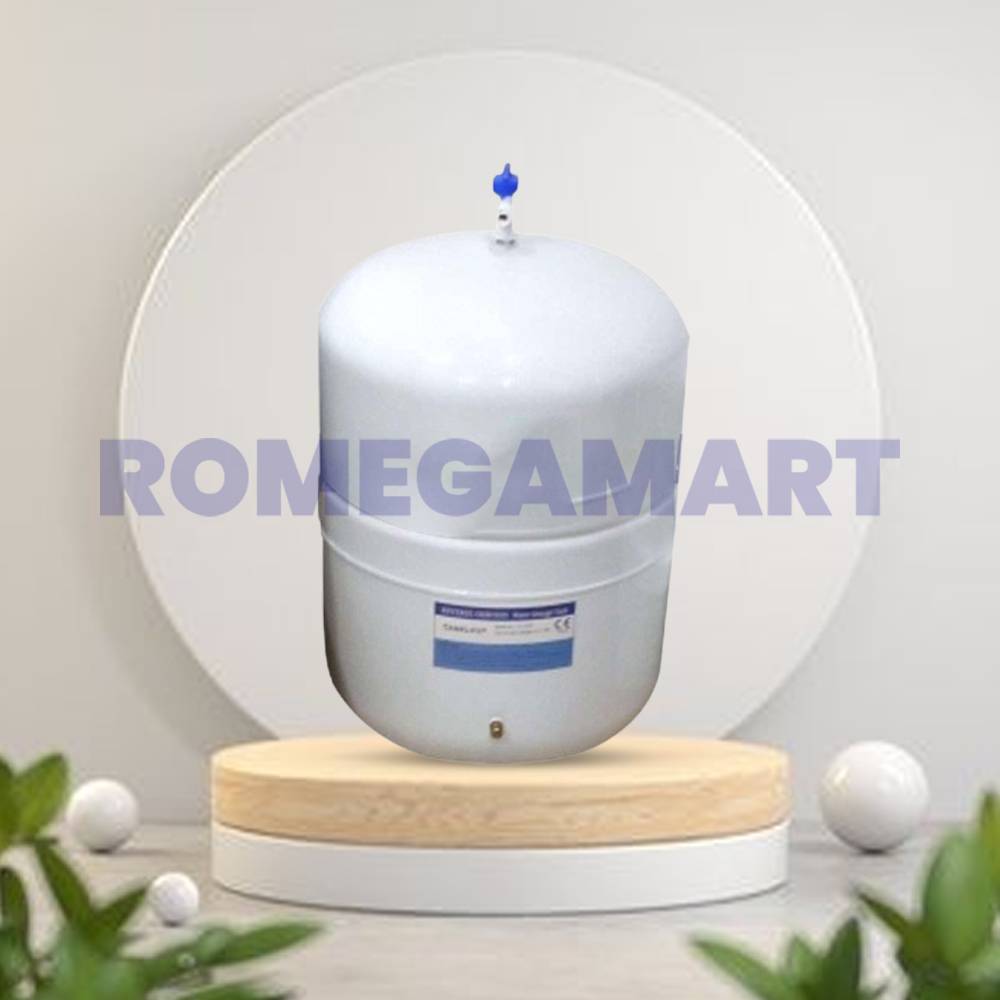
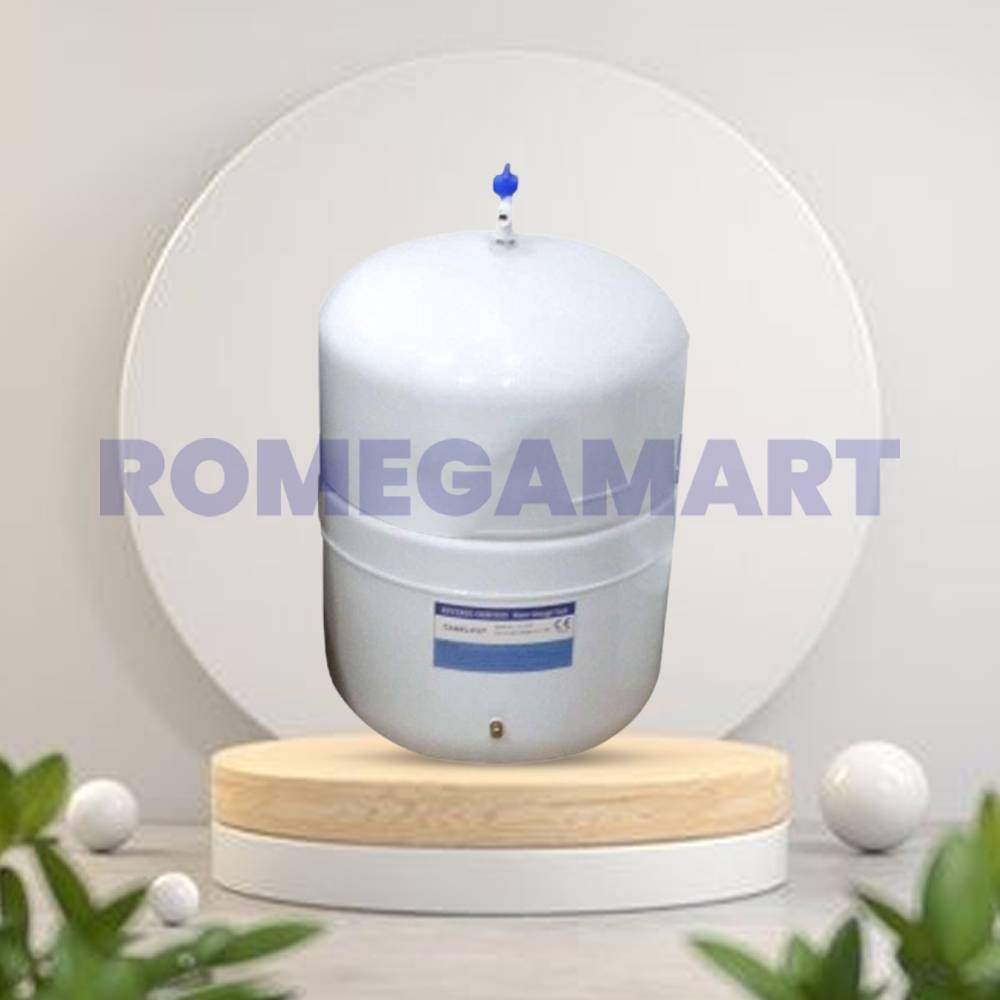
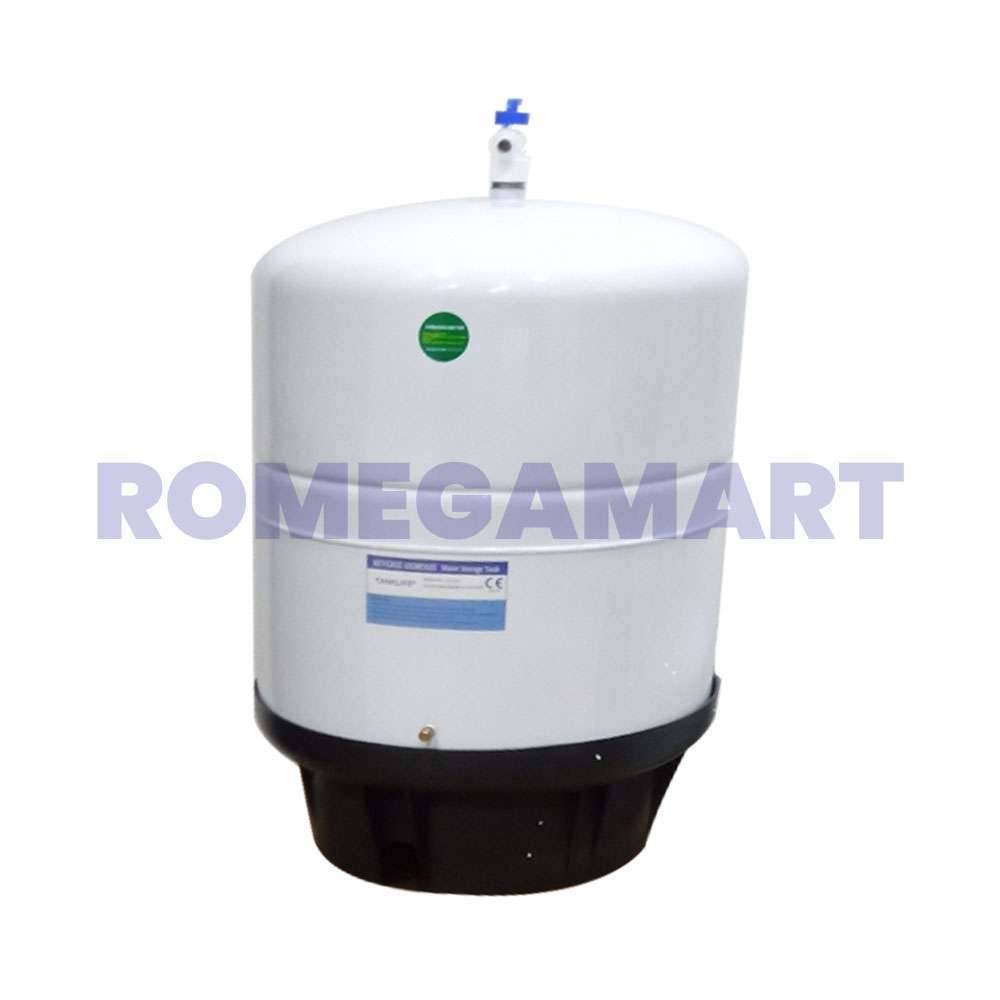
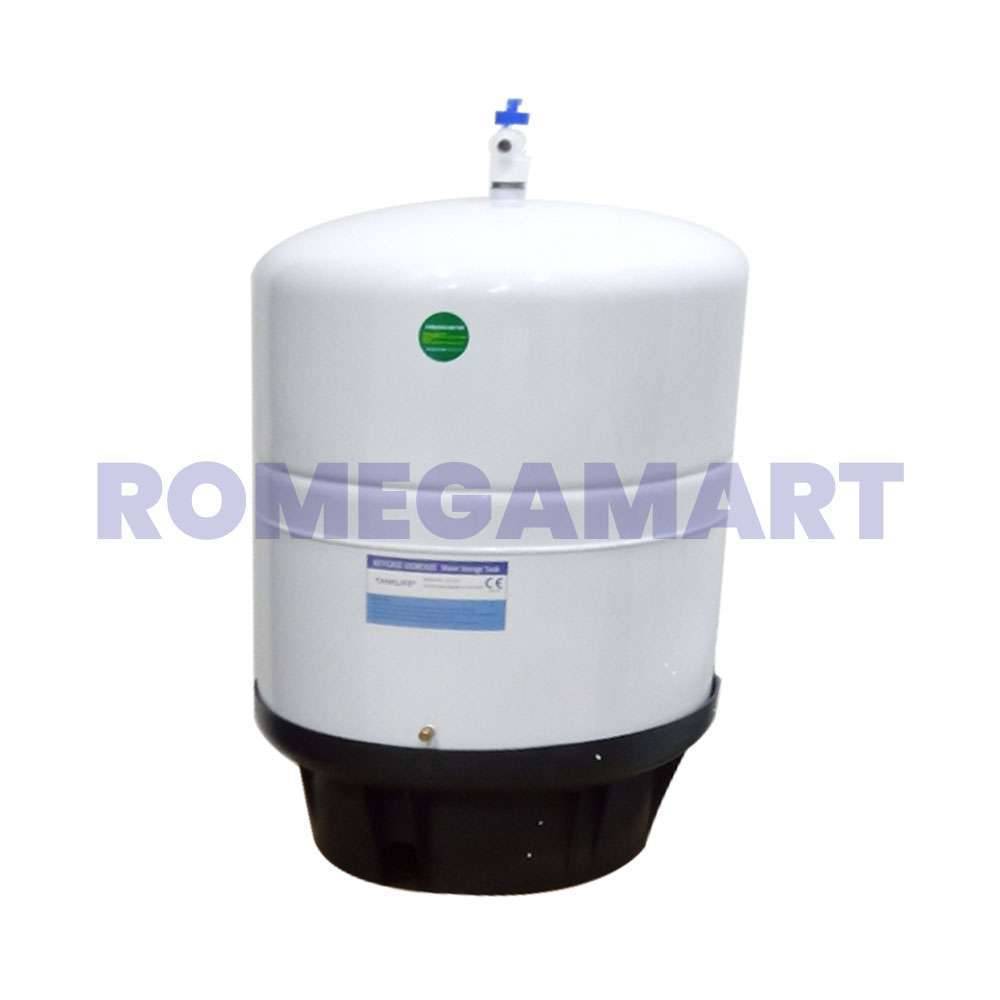
What Is a Pressure Tank?
A pressure tank (also called a pressurized tank or hydraulic accumulator) is a device used in water systems to maintain or regulate water pressure. Essentially, it stores water under pressure (or stores some air that compresses as water enters), thereby smoothing out fluctuations in a plumbing system and reducing the workload on a pump.
In more technical terms, a pressure tank helps prevent short-cycling — a damaging condition where a pump rapidly switches on and off — by providing a buffer of water that has already been pressurized.
Why Do You Need a Pressure Tank for a Water Pump?
Using a pressure tank for a water pump offers several important benefits:
-
Prevents Pump Short-Cycling
Without a pressure tank, every time a tap is opened, the pump might turn on immediately and shut off when pressure is reached. This on-off rapid cycling (short-cycling) wears out pump components more quickly. A pressure tank stores pressurized water so the pump runs less frequently. -
Maintains Water Pressure
The pressure tank delivers water under consistent pressure even when the pump is off, giving you a smoother flow from faucets or appliances. -
Extends Pump Life
By reducing how often the pump needs to start and stop, you reduce mechanical stress, which can increase the life of your pump and save on maintenance costs. -
Buffers Demand Surges
In systems where demand fluctuates (for example, someone opens a tap, then another, then closes), a pressure tank acts like a buffer: it provides extra capacity for short surges without immediately running the pump. -
Improves Efficiency
The pump does not have to run for every small draw of water. The stored pressurized water helps in serving smaller water demands without engaging the pump each time.
Types of Pressure Tanks
There are different designs of pressure tanks — each suited to different use-cases like water-pump systems or RO systems.
-
Air-Over-Water Tanks
In the simplest design, the tank has a chamber of air above the water. As water enters, it compresses the air. This is an older style and less common in modern systems because the air can dissolve into the water over time, leading to “waterlogging.” -
Bladder Tanks
These have a flexible bladder (or diaphragm) that separates the water side and the air side. When water comes in, the bladder expands. This keeps the air and water separate, which helps the tank maintain its pressure more consistently and reduces waterlogging. -
Diaphragm Tanks
Similar to bladder tanks, diaphragm tanks use a rubber diaphragm to divide water and air. They are commonly used in boiler systems, but the concept is very similar for water pressure regulation. -
Pre-Pressurized RO Tanks
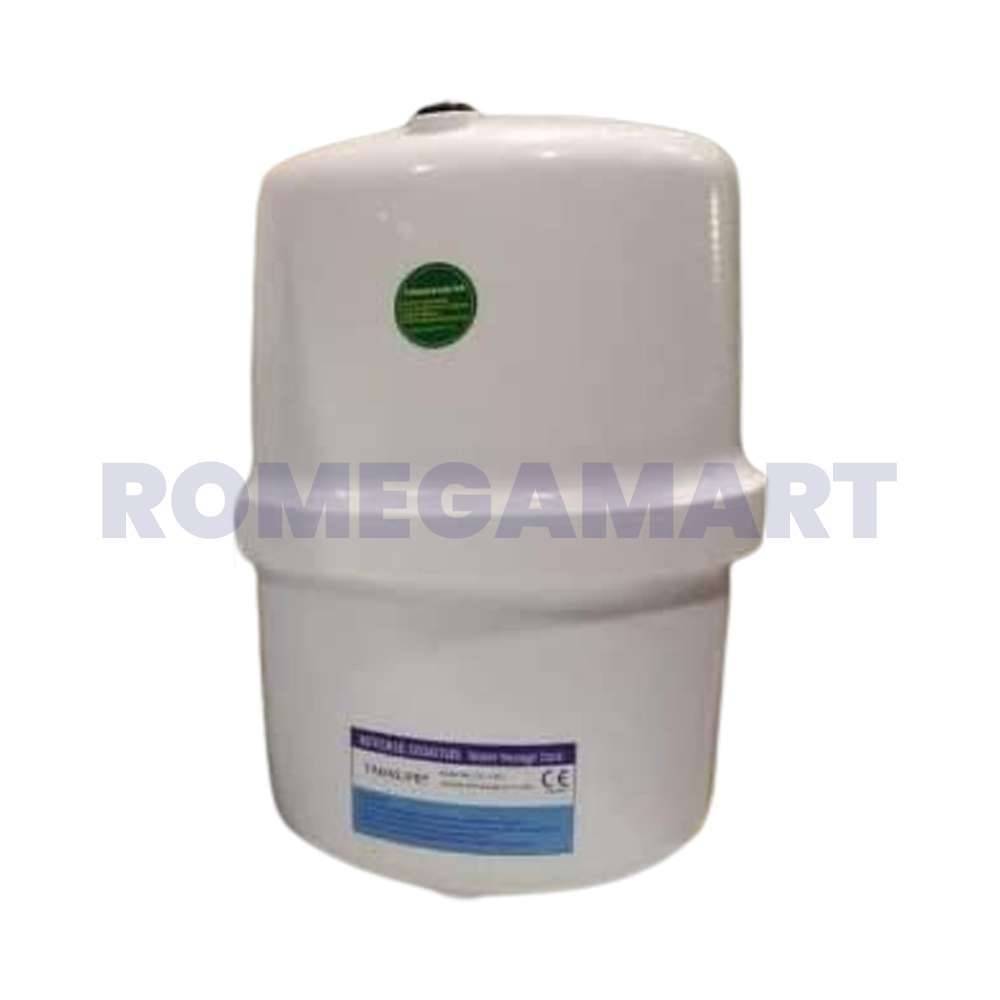
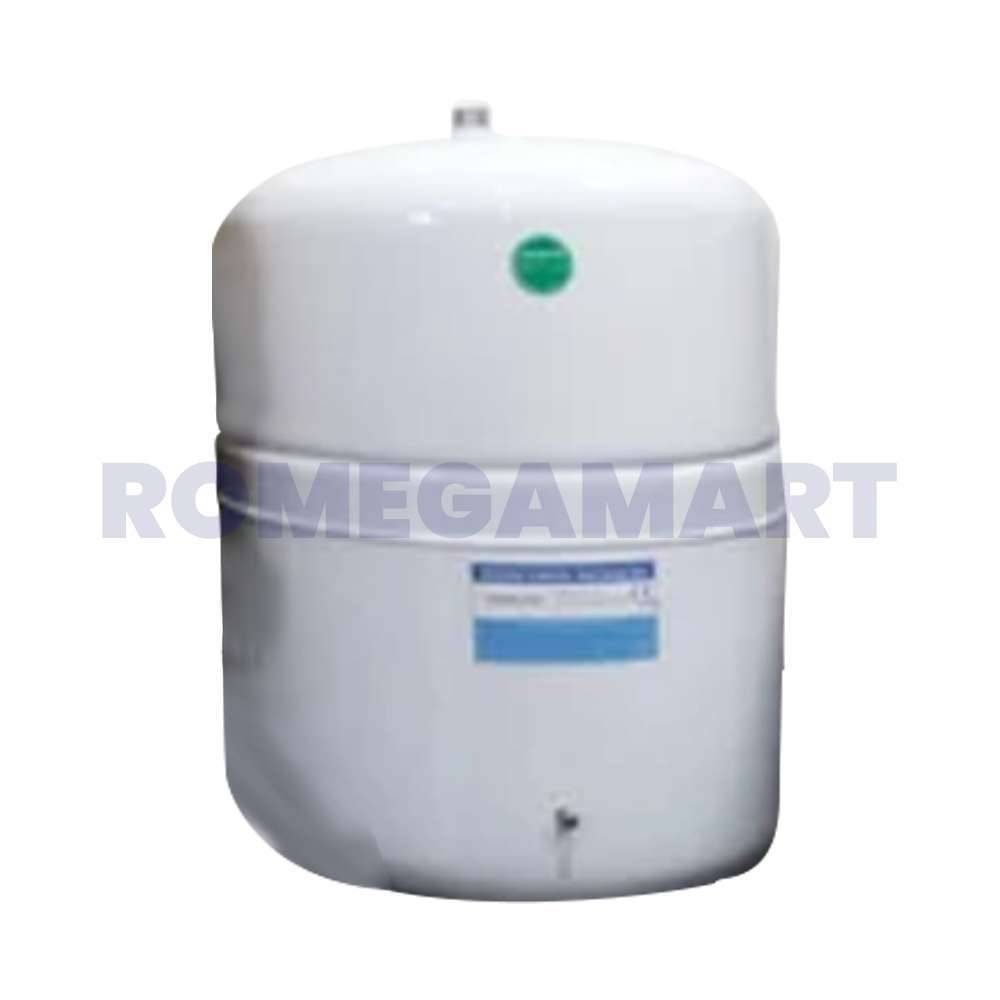
In Reverse Osmosis (RO) water-purifier systems, small pre-pressurized tanks are often used. These are designed to store purified RO water and deliver it under pressure so that water flows out quickly when you open a faucet.
How Does a Water Pressure Tank (or RO Pressure Tank) Work?
Here’s a step-by-step explanation of how a pressure tank operates in a water-pump system or RO setup:
-
Filling the Tank
-
The pump pushes water into the pressure tank.
-
In a bladder or diaphragm tank, as water fills the interior, it compresses the air in the other chamber.
-
The increasing pressure pushes against a pressure switch.
-
-
Reaching Cut-Off Pressure
-
The pressure switch monitors tank pressure.
-
When pressure reaches a pre-set “cut-off” value (say, 50 psi), the pump stops.
-
-
Water Demand
-
When water is drawn from a faucet, the water comes out from the tank first (not directly from the pump).
-
As water exits, the pressure inside the tank slowly drops.
-
-
Cut-In Pressure
-
When the pressure drops to a lower pre-set “cut-in” point (say, 30 psi), the pressure switch tells the pump to start again.
-
The pump refills the tank to the cut-off pressure, and the cycle repeats.
-
-
Buffer and Efficiency
-
Because water is already pressurized in the tank, small demands are met without turning on the pump.
-
This reduces wear and tear, saves energy, and ensures a more stable water flow.
-
Specific Role of an “RO Pressure Tank”
A RO pressure tank is usually a small, pre-pressurized storage vessel used in RO water-purifier systems. Its primary function is:
-
Store purified water generated by the RO membrane.
-
Deliver water under pressure so that when you open your tap, water comes out with reasonable flow, without waiting for the RO system to produce water in real time.
-
Reduce pump cycling (if the RO setup has a booster pump) or avoid pump usage frequently, because the tank handles short draws.
Typical features of RO pressure tanks:
-
2–4 gallon (or more) capacity
-
Pre-charged air pressure inside (you can measure and adjust this)
-
A valve (often 1/4-inch) to connect to RO plumbing
For example, Wellon offers a 4-gallon RO pre-pressurized pressure tank. Domestic Pressure Tank
Choosing the Right Pressure Tank: Key Considerations
When selecting a pressure tank, whether for a water pump or RO system, several technical and practical factors must be considered.
Capacity
-
For a water pump system: the tank’s volume (in liters or gallons) determines how much water can be “buffered” before the pump has to start. Larger households or high-demand systems need bigger tanks.
-
For RO systems: typical sizes are in the range of a few gallons (plastic or stainless), depending on how much RO water you want stored before usage.
Pressure Rating
-
Make sure the tank’s pressure rating (in psi or bar) matches your system’s pump cut-in and cut-off pressures.
-
Over-pressurizing the tank can damage the bladder or result in poor performance.
Material
-
Plastic (e.g., PVC or polypropylene) tanks are cheaper and often used in smaller RO systems.
-
Stainless steel pressure tanks are more durable, more resistant to corrosion, and better suited to demanding installations or higher water quality requirements.
Bladder / Diaphragm
-
Tanks with a high-quality bladder/diaphragm will give a longer service life.
-
If the bladder breaks, the tank may become waterlogged or lose its ability to buffer effectively.
Pre-Charge Pressure
-
The tank comes pre-charged with air. Before connecting, you should check and adjust this “pre-charge” (using a pressure gauge) to match your system’s requirements.
-
Over time, you may need to re-pressurize if the air pocket reduces.
Size and Footprint
-
The physical size of the tank should fit within the allocated space. Larger tanks are heavier, especially when full.
-
Consider where you will mount or install it (wall-mounted or floor-standing).
Cost and Maintenance
-
Bladder or diaphragm tanks may need maintenance or replacement of internal components after years of use.
-
Stainless steel tanks, while more expensive initially, often have lower long-term maintenance.
Brand and Quality
-
Choose reputable brands or suppliers with good quality assurance.
-
Consider warranty, spare parts availability, and service support for long-term reliability.
Pressure Tank Price
One of your target keywords is “Pressure tank price”. The cost of a pressure tank depends on its capacity, material, brand, and application (RO, pump system, commercial use). Here’s a breakdown based on current data:
-
According to Romegamart, pressure tank prices in India vary: for smaller RO tanks (6 Gallon / 24 L) it can be ₹700–₹2,500, while bigger ones (1000 L industrial-type) go up to ₹18,000–₹30,000.
-
For example, a 500-liter pressure tank (likely FRP or steel) on Romegamart is priced between ₹12,000–₹18,000 depending on material.
-
On other platforms: Ampereus 4-gallon PVC RO pressure tank costs around ₹1,938.
-
A 41-litre stainless steel water pressure tank (from Ampereus) costs ₹6,155.
These figures illustrate the wide variation in pressure tank price based on capacity, material, and application.
Here are some of the top picks and their use cases:
-
IONIX 3.2 Gallon RO Pressure Tank: A pre-pressurized RO tank, ideal for compact RO systems.
-
IONIX 4 Gallon RO Pressure Tank: Slightly larger RO storage capacity for typical household RO purifier setups.
-
24 L Hydro‑Pneumatic Pressure Vessel: Designed for water-pump systems to buffer pressure and reduce pump cycling.
-
12 L Water Pressure Tank: Mid-sized tank, useful for both small water systems or RO setups depending on configuration.
-
8 L Pressure Tank: Lightweight and compact, suitable for small applications or confined spaces.
-
Durable Pump Pressure Tank: Generic robust tank for use in water-pump systems.
These examples help illustrate the variety in pressure tanks, from domestic RO tanks to more industrial or pump-system vessels.
Maintenance and Care for Pressure Tanks
To ensure a pressure tank (water pump or RO) works reliably over time:
-
Check Pre-Charge Pressure
-
Use a tire gauge or pressure gauge periodically to check the air pressure in the tank when it’s empty (or nearly empty of water).
-
Maintain the proper pre-charge as recommended by the manufacturer.
-
-
Inspect Bladder / Diaphragm
-
If the bladder ruptures, the water and air might mix, reducing the tank’s effectiveness.
-
In such a case, you may need to replace the bladder or the whole tank.
-
-
Drain Periodically
-
Some maintenance schedules call for draining the tank to remove sediment, especially in pump-water systems.
-
This helps prevent rust, scale, or particulate buildup.
-
-
Check for Leaks
-
Inspect the tank, especially joints, valves, and connections.
-
Fix leaks promptly to avoid pressure loss or damage to components.
-
-
Pump System Integration
-
Ensure that your pressure switch is correctly calibrated (cut-in and cut-off set points).
-
Verify that pump cycles are not too frequent (which may indicate tank issues).
-
-
Replacement Timeline
-
Bladder or diaphragm life depends on quality and usage. In heavy-use systems, you might need to replace internal parts every few years.
-
Stainless steel tanks, if well-maintained, can last much longer.
-
Applications of Pressure Tanks
Here are common applications for different kinds of pressure tanks:
-
Domestic Water-Pump Systems
-
Provide stable water pressure for homes using well pumps or borewell pumps.
-
Prevent frequent cycling of the pump.
-
-
Reverse Osmosis (RO) Purification Systems
-
Store purified water under pressure so that RO water is available instantly when you open the faucet.
-
Avoid waiting time for RO production.
-
-
Boosting Systems
-
In buildings where pressure varies, a hydro-pneumatic pressure vessel helps maintain consistent water delivery.
-
Helps systems that use booster pumps to deliver water to higher floors or remote outlets.
-
-
Commercial / Industrial Water Systems
-
In larger water-treatment plants or commercial RO plants, bigger pressure tanks (even stainless steel) ensure consistent operation and buffer demand surges.
-
Used in irrigation, manufacturing, or HVAC water systems.
-
Largest Stainless Steel Producers in India (Relevant for Stainless Pressure Tanks)
Since “Largest stainless steel producers in India” is one of your keywords, it’s useful to understand who makes stainless steel — because pressure tanks made of stainless steel rely on high-quality steel production. Here are some of the major stainless steel producers in India:
-
Jindal Stainless Ltd.
-
This is one of the largest stainless steel producers in India. Wikipedia
-
Their capacity and scale make them a key player in stainless steel supply, including for specialized applications like pressure vessels.
-
-
Mukand Limited
-
Mukand produces stainless steel and alloy steel.
-
They have a strong industrial legacy and contribute to the domestic supply of stainless steel for various heavy-duty applications.
-
-
Others
-
There are several other industrial stainless-steel producers and mills in India, including plants under large public and private sector enterprises. For example, many large steel producers also have stainless-steel divisions. (While not all are “pure” stainless steel companies, their capacity contributes to availability.)
-
Understanding the stainless-steel production landscape is relevant because high-quality stainless steel contributes to durable, corrosion-resistant pressure tanks, especially in demanding water systems.
Why Choose a Stainless Steel Pressure Tank?
Using stainless steel for a pressure tank (rather than plastic or composite) has several advantages:
-
Corrosion Resistance
Stainless steel resists rust and chemical degradation, particularly in systems exposed to water with varying pH or mineral content. -
Durability & Longevity
A stainless steel tank can last many years (often decades) if properly maintained, making it economically attractive for long-term installations. -
High-Pressure Capacity
Stainless steel can handle higher pressures reliably, which is beneficial when used with strong pumps or in booster systems. -
Sanitary Quality
For drinking water or RO application, stainless steel is hygienic and doesn’t leach contaminants like certain plastics might. -
Structural Strength
It’s structurally robust, making it safer and more reliable in demanding or industrial environments.
Risks and Challenges with Pressure Tanks
While pressure tanks are very useful, there are some potential pitfalls or risks, and it is important to understand them:
-
Waterlogging: If the air pocket is lost (e.g., through leakage or dissolved air), the tank may fill completely with water and lose its ability to buffer pressure.
-
Bladder Failure: The internal bladder or diaphragm may rupture over time, reducing performance.
-
Incorrect Pre-Charge: If the pre-charge air pressure is not correctly maintained, the tank will not operate efficiently, either too frequent pump cycling or poor water delivery.
-
Leaks: Poor-quality valves or welds (in steel tanks) may lead to leaks.
-
Size Mismatch: A tank that is too small will not buffer enough water, while a tank that is too large may be wasteful or expensive.
-
Corrosion in Low-Quality Material: If a tank is made of low-grade metal or poorly treated, corrosion may reduce its lifespan — an important concern for cheaper or imported tanks.
How to Choose the Right Pressure Tank for Your System
To pick the right pressure tank, follow a structured approach:
-
Evaluate Your System Requirements
-
What is your pump’s capacity (flow rate)?
-
What is your cut-in and cut-off pressure?
-
How much water do you need between pump cycles?
-
-
Select Appropriate Tank Volume
-
For domestic pump systems: choose a tank that gives enough buffer without being oversized.
-
For RO: choose based on how much RO water you typically need stored for convenience.
-
-
Decide Material
-
For basic systems or low budget: plastic or composite may suffice.
-
For demanding or long-term installations: stainless steel is better.
-
-
Check Pressure Ratings and Pre-Charge Specs
-
Ensure that the pump switch and the tank are compatible.
-
Confirm pre-charge pressure and whether you can adjust it.
-
-
Quality and Brand
-
Use trusted brands, especially if reliability matters.
-
For stainless steel, check whether the manufacturer uses high-grade stainless steel (and whether it comes from good producers).
-
-
Maintenance Plan
-
Do you have the capacity to check and maintain the tank (monitor pre-charge, drain, inspect)?
-
Plan for how often you will service or replace parts.
-
-
Cost vs Lifetime
-
Compare the initial pressure tank price with the expected lifetime.
-
A more expensive but durable stainless-steel tank may cost less in the long run.
-
Why the Romegamart Link Is Important
is highly relevant for a few reasons:
-
It directly corresponds to pressure tank spare parts or components, which aligns with your content around “pressure tank,” “ro pressure tank,” and “pressure tank price.”
-
Including this link helps guide your audience to a place where they can buy verified pressure tanks or spares, which is valuable for lead generation.
-
The association also helps SEO: by writing in-depth content around pressure tanks and linking to a commercial product page, you improve the relevance of that product page to search queries like “pressure tank price” or “ro pressure tank.”
Practical Use-Cases and Scenarios
Let's imagine various scenarios in which a pressure tank is used to illustrate its usefulness:
-
Residential Well System
-
A homeowner has a borewell or submersible pump. Installing a 24-litre or 50-litre pressure tank ensures that when family members use water intermittently (e.g., morning routine), the pump does not need to run constantly. This reduces electricity use and stress on the pump.
-
-
RO Purifier in a Flat
-
In a typical apartment, an RO system is installed under the sink. The RO pressure tank (say 3–4 gallons) stores enough purified water so that when someone needs water, it flows quickly without waiting for production.
-
-
Commercial Office or Store
-
An office or small shop has a water-booster pump to maintain flow to higher floors. A hydro-pneumatic pressure vessel helps provide consistent pressure during peak working hours, avoiding constant pump cycling during frequent demand.
-
-
Industrial / Workshop Setup
-
In a moderate industrial plant, water is used for cleaning or process work. A stainless-steel pressure tank provides a durable, consistent supply and helps maintain system stability even when demand fluctuates significantly.
-
Summary: Why Pressure Tanks Matter
-
A pressure tank (for a water pump or RO) is essential for stable water delivery, pump protection, and system efficiency.
-
Choosing the right tank involves evaluating capacity, material, pressure ratings, and cost.
-
RO pressure tanks ensure that purified water is ready on demand.
-
Water pressure tanks in pump systems prevent short cycling, extend pump life, and smooth out pressure.
-
Stainless steel tanks offer durability, corrosion resistance, and longer lifespan — which is why knowing the largest stainless steel producers in India (like Jindal Stainless and Mukand can be relevant when sourcing or making high-quality tanks.
-
The pressure tank price varies widely based on capacity and material; understanding this helps in budgeting and procurement.
-
Proper maintenance — checking pre-charge, inspecting bladders, and draining when needed — ensures long-term performance.




OTP Verified